
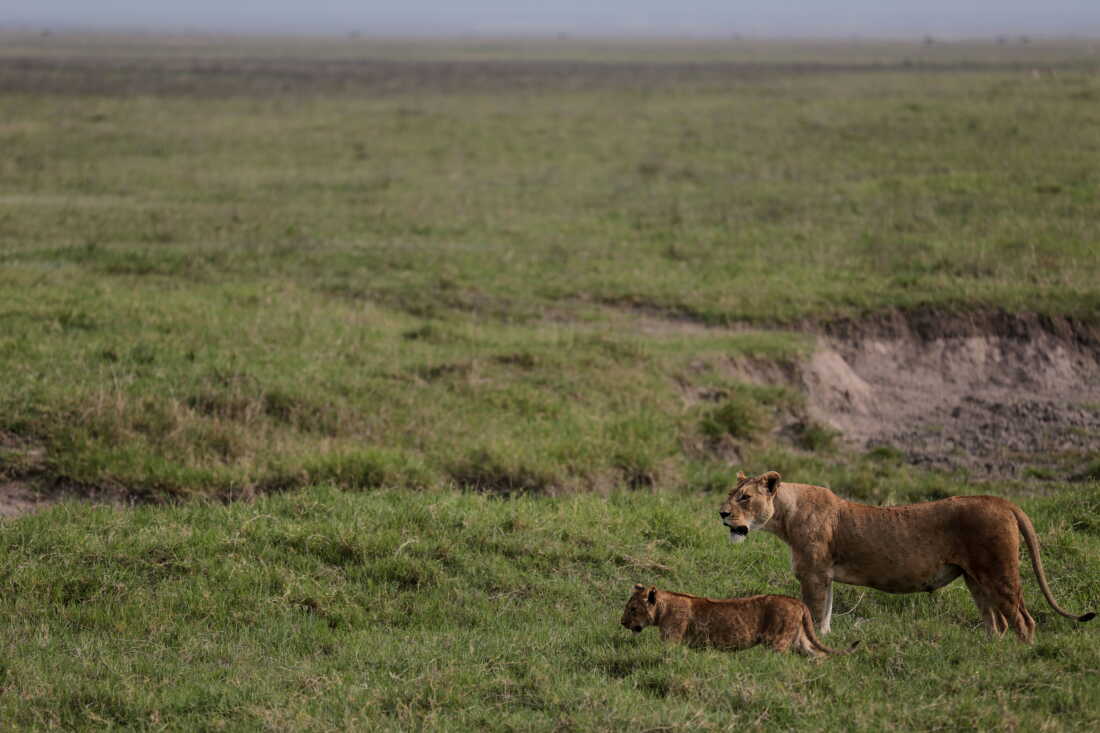
An alarming incident has occurred in Tanzania involving the deaths of ten lions within the Ngorongoro Conservation Area, a renowned wildlife reserve. These deaths have raised concerns about wildlife poisonings across East Africa.
Details of the Incident
The lions were discovered dead last Friday inside the Ngorongoro Conservation Area. This region is notable for hosting pastoral tribal communities engaged in cattle farming and is also one of Tanzania’s top tourist spots. The Ngorongoro Conservation Area Authority revealed that preliminary findings suggest these majestic animals might have died due to poison ingestion. The authority has initiated a thorough investigation to uncover the cause of death and identify responsible parties.
Threats to Wildlife Across East Africa
This incident highlights the growing threat to large animals in East Africa as they increasingly clash with human interests. Another investigation is ongoing in Kenya following the deaths of 18 elephants over the summer, suspected to have resulted from poisoning. Kenyan police have arrested four individuals in connection with the deaths. Preliminary tests conducted by Kenya’s Wildlife Service indicated that the elephants might have consumed cyanide. In the Amboseli region, tomato farmers have been known to use prohibited pesticides, though they deny any use of cyanide.
Conservation Challenges
Tanzania boasts Africa’s most considerable lion population, accounting for nearly half of the world’s wild lions. Despite this, lions are listed by the International Union for Conservation of Nature as a vulnerable population. Their numbers are threatened by habitat loss and poaching activities. The Ngorongoro Conservation Area, a UNESCO World Heritage Site, is legally protected under international statutes. This site includes the Ngorongoro Crater and is home to the Big Five game animals, namely the elephant, lion, leopard, buffalo, and rhino.
Efforts are continuing to address these challenges to ensure the survival of these iconic creatures in their natural habitats.