
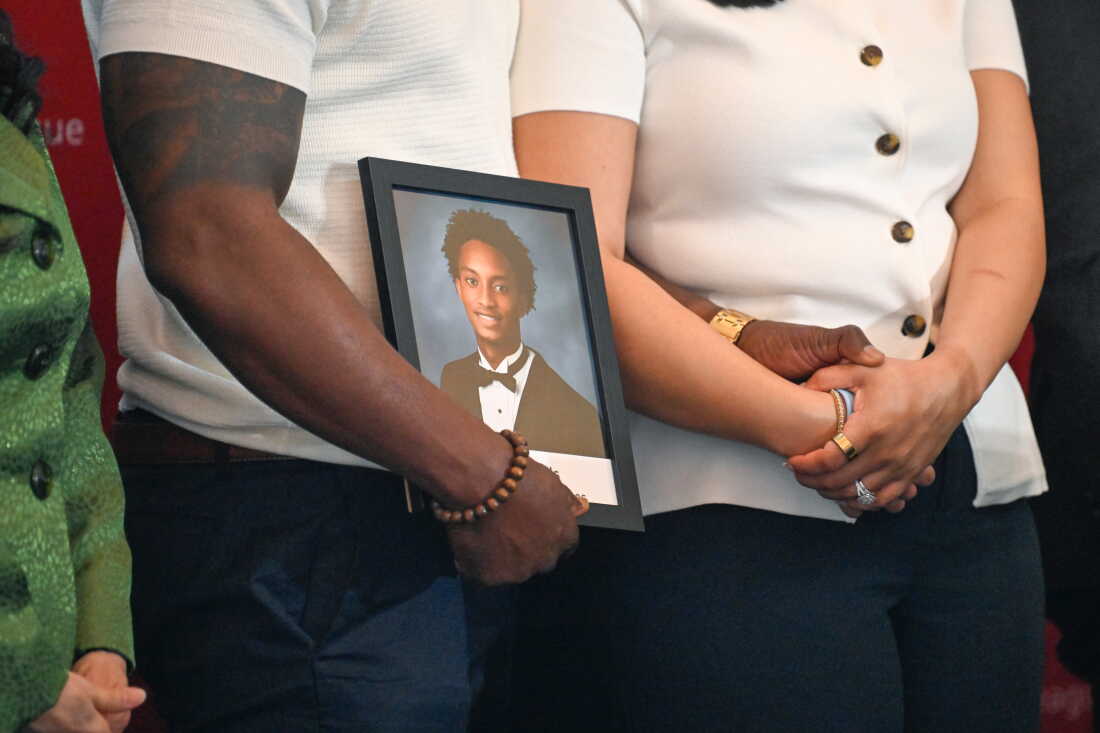
Christine Wonsley and Elmore Wonsley, parents of Nolan Wells, recently attended the National Urban League’s annual conference to give updates on their son’s death. A Mississippi grand jury found insufficient evidence to charge anyone in Nolan Wells’ case, a Black teenager who was found dead in early July. Despite this, Wells’ family, activists, and attorneys are demanding further investigation.
Ongoing Call for Answers
Civil rights attorney Ben Crump emphasized the importance of additional inquiries by pointing out bruising on Wells’ head, noted in the medical examiner’s report. Crump pressed for continued investigative efforts, questioning the causes of Wells’ injuries. He made it clear that the absence of charges doesn’t resolve the uncertainty surrounding Wells’ death.
The Rev. Al Sharpton, who delivered Wells’ eulogy, highlighted the need for clarity, asserting that the lack of an indictment doesn’t equate to transparent answers. The NAACP now urges the district attorney to release all investigative and autopsy findings to ensure a thorough examination.
Grand Jury Findings
The grand jury, convened from September 14 to September 18, concluded that Wells’ death was consistent with drowning, but the cause remained undefined. They found no credible evidence of criminal activity by the individuals with Wells on July 4, 2026. Extensive subpoenas, witness testimonies, and evidence, including Crump’s findings, supported this conclusion.
Despite assurances from the Jackson County District Attorney that race wasn’t a factor, Wells’ family questioned the investigation’s impartiality. Hopes remain for a more detailed investigation due to the implications surrounding race dynamics.
Discrepancies and Assertions
The independent autopsy aligns with the state medical examiner’s findings, identifying the cause of death as undetermined. Although the independent review claims limited body access, the grand jury report affirms full access, except for specific areas held by the state examiner. Crump pointed to bruises as evidence of unresolved trauma.
Amid mixed narratives, Crump released his own autopsy recommendations for ongoing inquiries. Questions about whether Wells voluntarily entered the water or faced external compulsion remain, highlighting the inquiry’s complexity.
Challenges with Evidence
The investigation faced obstacles, notably concerning Wells’ cellphone. The state cited no legal means to search the device, while Wells’ family maintained control over it. Disputes over evidence access continue, hampering clarity on available data.
The district attorney criticized the public perpetuation of inaccuracies regarding autopsy results and investigation cooperation. Misinformation has affected public perception and family relations.
Potential Legal Proceedings
Potential civil lawsuits related to the investigation could further unfold. During Wells’ funeral, legal notices implied future litigation intentions. Some of Wells’ acquaintances are contemplating defamation lawsuits due to effects on their reputations.
Law enforcement assured reconsideration of new evidence, emphasizing ongoing dedication to case resolution. No statute of limitations on homicide in Mississippi implies a possibility for future criminal proceedings if new information emerges.