
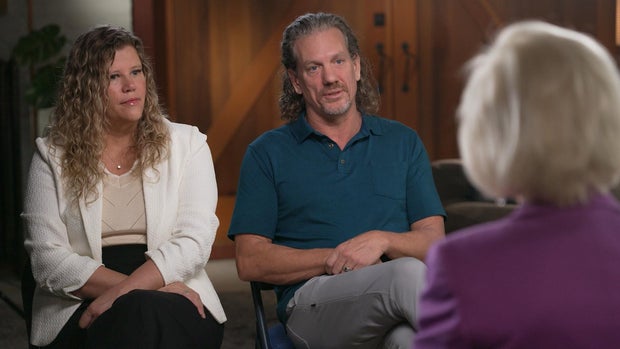
In mid-August, inside the plush Ritz-Carlton hotel at Tysons Corner, Virginia, lobbyists Jack Burkman and Jacob Wohl were making a sales pitch. The meeting table included Ammon Covino, a convicted felon, and his wife, Crystal. Burkman and Wohl, known for their lobbying efforts and controversial tactics, were promoting their ability to influence President Trump, aiming to secure pardons for clients.
Covino, an aquarium operator, had already submitted a pardon application to the Biden Justice Department, only to face rejection in July. His case—a part of the thousands denied clemency—highlighted the administration’s effort to clear the backlog of applicants. Burkman and Wohl believed they could secure a pardon for Covino by leveraging their connections, albeit at a significant price.
However, Covino was not seeking a pardon. Instead, CBS News’ 60 Minutes enlisted him in an investigative effort to uncover the pardon broker industry, which offered a detailed look into their operations. This industry has emerged as a prominent feature of Trump’s pardon strategy, navigating around traditional routes through contacts, influencers, and lobbying efforts.
The coin of the realm
Historically, the typical pardon recipient was perceived as someone repentant. Many presidents have deviated from this, with prominent examples such as President Ford’s pardon of Richard Nixon and President Clinton’s pardon of Marc Rich, a fugitive financier. Recent forms of pardon during Trump and Biden’s administrations stirred debate, suggesting a shift in norms.
Informal brokers now operate outside conventional processes. Many clemency actions during Trump’s second term were not routed through the Justice Department, emphasizing access to the president as the new strategy. Connections with the White House are crucial, leading to fees reaching millions. This environment is observed by legal experts like Mark Osler, who point out the contentious nature of these practices.
Lobbyists are making explicit claims about their ability to bypass traditional mechanisms, indicating how political influence has played a role in shaping the clemency landscape.
Among the key individuals are those with direct access to the president’s inner circle. Conversations with influential figures provide insights into decision-making processes, where fees, influence, and strategic lobbying intersect to define clemency outcomes.
Burkman and Wohl’s approach to clemency is indicative of a transactional market, where they claim they adhere to laws while navigating complexities. They emphasize their ability to leverage relationships, suggesting that influence plays a pivotal role in achieving results.
Several recipients of pardon support this view of an evolving clemency landscape, noting how connections and influence over traditional processes have reshaped expectations among applicants.
Engagement with Trump’s approach
Criticism of Trump’s pardon practices has been met with varied responses. Some argue his pardon approach has prioritized mercy, while critics point to political biases influencing decision-making.
The emphasis on rejecting historical contrition shows a marked shift in narrative. Encouraged by brokers, applicants now highlight perceived political injustices rather than guilt or remorse.
High-profile clemency cases reveal this shifted narrative, where proclaimed innocence and public announcement of pardons have replaced closure and quiet acceptance. Such approaches, coupled with financial exchanges, indicate a shift towards a politicized pardon economy.
Ammon Covino’s involvement with CBS News reflects broader efforts to document and scrutinize opportunities for reform. As investigators assessed broker tactics and operational secrecy, varying perspectives from pardon recipients surfaced, showcasing the divisive nature of current practices.
The report combines media and legal insights to highlight trends, spotlighting how new routes to clemency have challenged traditional frameworks and raised ethical questions about the influence of money and connections on justice.
The investigation was supported by various contributors from CBS News and 60 Minutes, adding valued insights and investigative scope to understanding Washington’s pardon ecosystem.