
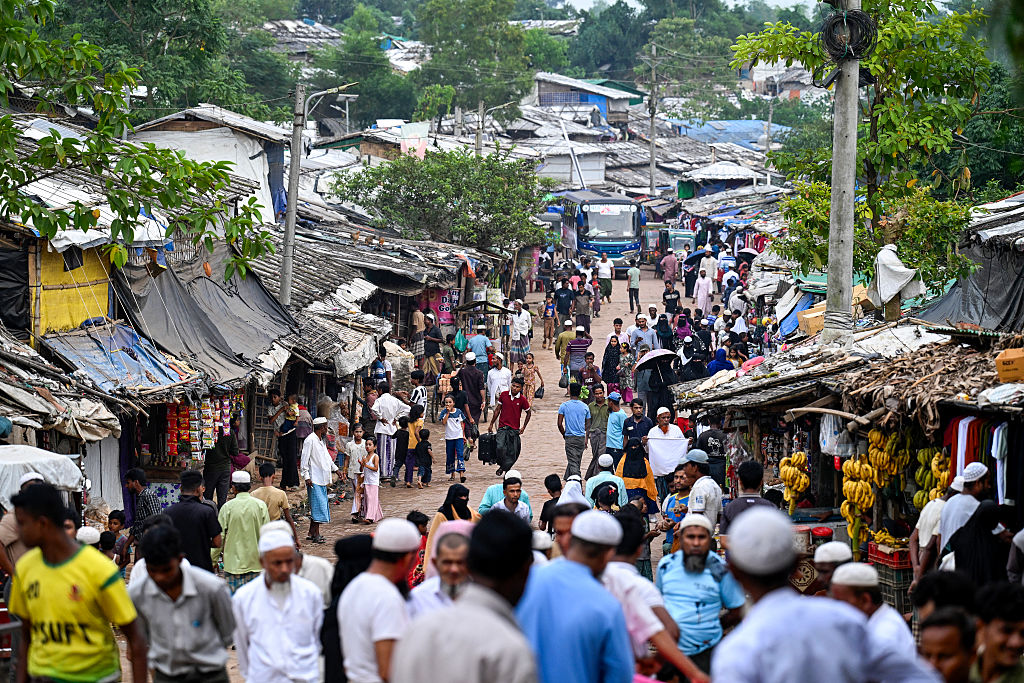
The International Court of Justice has ruled that Myanmar committed genocide against its Rohingya Muslim minority. This decision is unprecedented, as it’s the first time a state has been declared responsible for genocide by the court, which was founded in 1945. In a military campaign during 2017, Myanmar’s forces killed at least 10,000 people, including over 2,000 children under five, and forced more than 700,000 to flee the northern Rakhine State.
Professor Melanie O’Brien from the University of Western Australia Law School suggests that this ruling could impact future cases under the 1948 Genocide Convention. This includes a case from South Africa accusing Israel of genocide in Gaza, where Israeli forces reportedly killed thousands over the last three years. Myanmar’s government, led by Min Aung Hlaing during the 2017 campaign, has called the decision unfair, with six of the 15 judges dissenting.
Genocide Ruling: A Landmark Decision
This ruling marks a historic first for the International Court of Justice. Previous cases, such as Bosnia against Serbia, involved genocide claims from the conflicts after the breakup of Yugoslavia. In Bosnia’s case, the court recognized the killings as genocide but didn’t hold Serbia directly responsible, while in a separate case involving Croatia and Serbia, no genocide finding was made.
Marko Milanovic, a law professor at the University of Reading, noted the court’s use of evidence to establish genocidal intent without changing the legal definition of genocide. Dissenting judges argued the evidence might indicate forced expulsion or collective punishment rather than genocide.
Myanmar’s Next Steps
The court instructed Myanmar’s government to ensure the safe, voluntary return of the Rohingya and to prosecute those responsible for genocide. Myanmar has two years to report on these actions. If restitution isn’t possible, the court ordered reparations for the Rohingya, with details to be determined later. However, enforcement of the ruling remains uncertain. Non-compliance allows the plaintiff, The Gambia, to approach the UN Security Council, where China might veto actions due to its ties with Myanmar.
Broader Implications
Pressure from other countries, such as diplomatic actions or sanctions, could influence Myanmar. The UK recently expelled Myanmar’s defense attaché and urged a UN Security Council session. Meanwhile, ASEAN is urged to support the ruling’s implementation, and the International Court of Justice prosecutor seeks an arrest warrant for Min Aung Hlaing in 2024.
Challenges persist in achieving restitution, as many Rohingya refugees in Bangladesh wish to return but lack homes in Myanmar, which have been destroyed. Decades of discrimination add to the difficulty of changing attitudes.
Ruling’s Impact on Israel Case
This decision also affects South Africa’s genocide case against Israel. The court’s consideration of a “pattern of conduct” by Myanmar, including hate speech and broad displacement, aligns with arguments South Africa is expected to make against Israel.
Israel denies these allegations, claiming self-defense after an attack by Hamas. According to Gaza Health Ministry data, tens of thousands of Palestinians have been killed, with allegations of systematic violence by Israeli forces. The court highlighted the targeting of children, influencing the interpretation of genocidal intent.
While there’s no binding precedent in international law, experts suggest this ruling offers insights that may inform how the court approaches other genocide cases.