
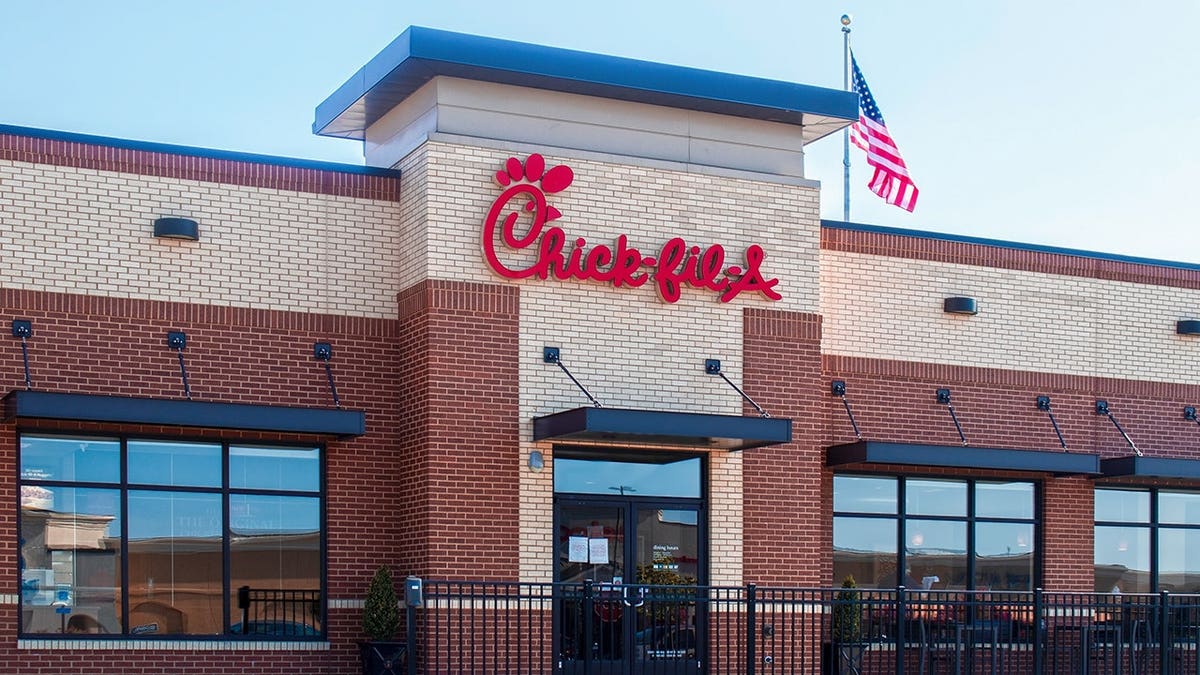
Chick-fil-A is recognized as one of America’s most challenging franchises to secure, drawing thousands of aspiring applicants annually. The restaurant chain offers a limited number of owner-operator positions, making the selection highly competitive.
During a recent episode of the “Founder Talk” podcast, Julian Good, owner of a Chick-fil-A location in St. Charles, Illinois, shed light on the company’s distinctive business model. “It’s a $10,000 franchise fee,” Good noted, underscoring that this fee has remained unchanged for five decades.
About 100,000 individuals apply each year to become Chick-fil-A owner-operators, with only about 200 gaining approval, Good revealed. Applicants with no prior Chick-fil-A experience often face a wait of three to five years before receiving an opportunity.
Chick-fil-A characterizes its selection process as “highly competitive,” seeking leaders prepared to dedicate their full time and best efforts to operate their restaurant. Despite the intense competition, former experience with the company is not a requirement.
Data from Chick-fil-A indicates that more than 25% of new owner-operators had never previously worked at one of its locations or for the corporate entity prior to applying. Candidates come from diverse professional backgrounds such as manufacturing, health care, education, law enforcement, and retail.
Unlike conventional franchise systems, Chick-fil-A owner-operators do not own the restaurants they manage. Franchise Business Review notes that Chick-fil-A retains ownership of the restaurant, equipment, and typically the real estate. This arrangement means operators do not accumulate equity in the business and cannot sell the restaurant upon retirement.
Operators are tasked with managing their restaurants, nurturing employee development, and contributing to their communities. This approach sets Chick-fil-A apart from many competitors, and the franchise is notably closed on Sundays.
Good emphasized, “When a Chick-fil-A operator retires, you can’t pass it down to your kids. You don’t sell the business or anything. It just goes back into the hands of Chick-fil-A.” The Sunday closure tradition is an integral part of the company’s culture, aimed at honoring spiritual principles and supporting the team and community.
Fox News Digital reached out to Chick-fil-A for additional comments. Kelly McGreal, part of the lifestyle team at Fox News Digital, contributed to this report.