
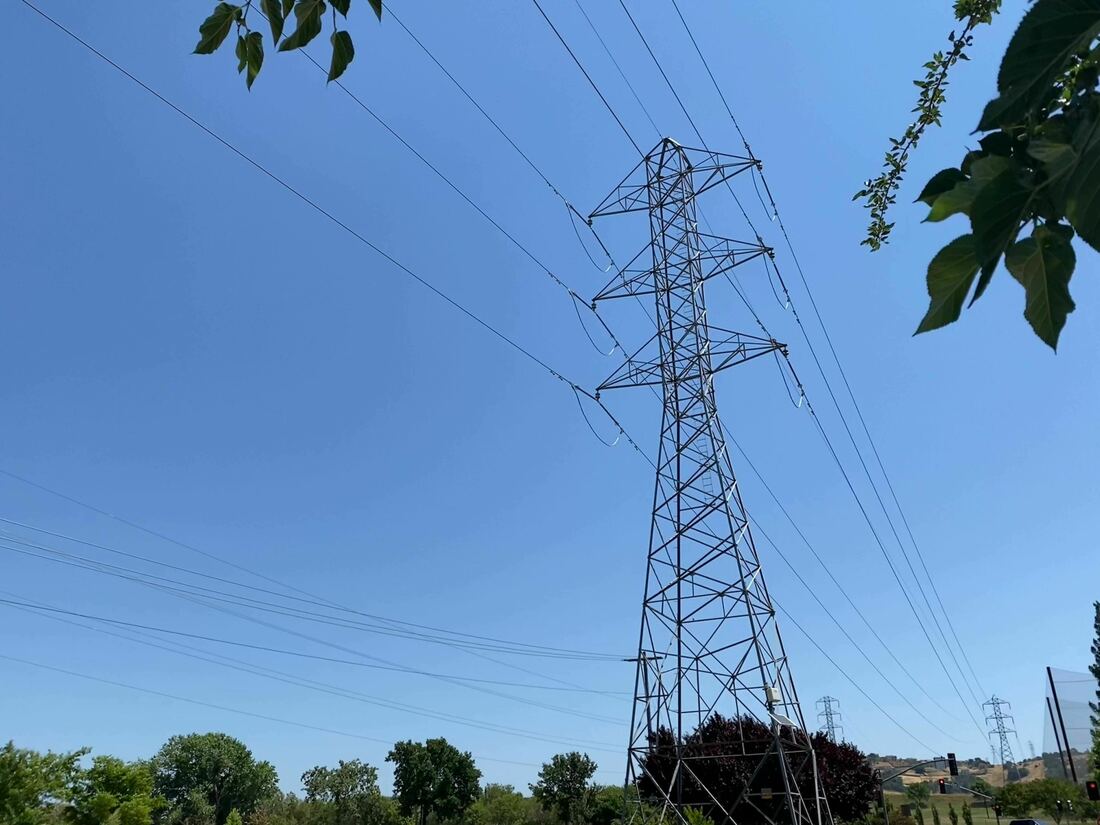
The current state of the electric grid in the U.S. raises concerns. Experts suggest that advanced transmission technologies could optimize its performance significantly. However, a challenge remains in convincing utilities to adopt these new technologies. The traditional revenue model for utilities complicates this transition, creating hesitation among tech companies.
The urgent need to replace fossil fuels with renewable energy adds pressure to this situation. Many wind and solar projects face delays, often lasting years, before they connect to transmission lines. Achieving the U.S.’s environmental targets requires a 43% increase in transmission capacity by 2035, as per the REPEAT Project managed by Princeton University. This expansion involves considerable costs and extensive time commitments to develop new transmission lines.
In light of these challenges, some technology companies are proposing solutions to enhance the grid’s current performance. These methods promise faster and more cost-effective results than conventional expansion strategies. Aaron Scott recently discussed these innovative solutions with Julia Simon, NPR’s climate solutions reporter.
For more in-depth information about these developments, you can explore Julia’s detailed explanations. Additionally, NPR invites readers to share any remarkable science stories via email. Short Wave, NPR’s science podcast, is available on Spotify, Apple Podcasts, and Google Podcasts.
Various contributors played roles in producing this story. Carly Rubin managed production, supported by editors Rebecca Ramirez, Berly McCoy, and Amina Khan. Julia Simon verified factual accuracy. Audio engineering was provided by Kwesi Lee.