
Introduction
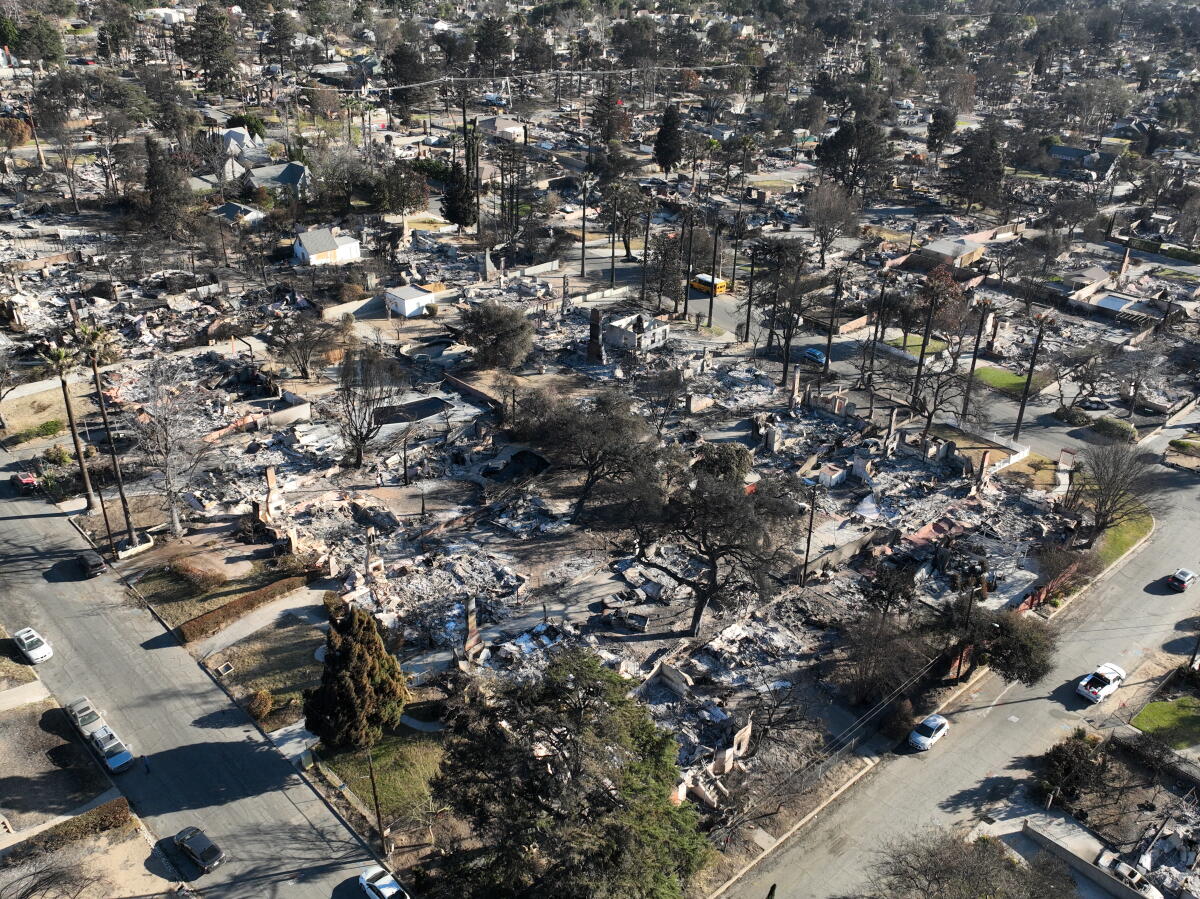
Following the Eaton and Palisades fires that resulted in 31 deaths and the destruction of over 16,000 structures, a series of official investigations has left survivors frustrated. These investigations have glossed over failures by Los Angeles city and county agencies. Now, an independent review commissioned by Gov. Gavin Newsom provides a detailed analysis of the events on January 7, 2025. Conducted by the UL Research Institutes’ Fire Safety Research Institute, the report highlights numerous shortcomings in governmental planning and response.
Delayed Evacuation Alerts and Poor Communication
The investigation confirms key points reported by The Times, notably the delayed evacuation alerts in a historically black neighborhood where most fire victims were located. The Los Angeles Fire Department (LAFD) missed signs indicating the Pacific Palisades fire was still active following the department’s initial containment efforts.
The 724-page report describes chaotic conditions and poor communication which complicated evacuations, rescues, and firefighting efforts. In the Eaton fire, paramedics’ observations of an ember-storm in west Altadena did not reach incident commanders. The L.A. County Fire Department (LACFD) failed to organize evacuation operations promptly. Reports finally reached commanders, but evacuation orders were delayed by over an hour.
Warnings about the Lachman fire’s smoldering were ignored by the LAFD as the fire spread further into Pacific Palisades. The investigation found no evidence that the fire department monitored the burn area, especially as critical fire weather arrived.
Lack of Experienced Leadership
Leadership during the Palisades fire response lacked experience, causing other agencies to operate independently. Incident commanders lost the confidence of personnel who sometimes acted independently.
Derek Alkonis from FSRI noted that the fire conditions put local and state officials in difficult situations. The system was extremely tense and ready to ignite as the weather conditions changed.
Communication Breakdown in the Eaton Fire
Communication issues persisted as fire approaches west Altadena. Report-level gaps prevented timely evacuation alerts despite increasing sheriff activity. LASD officers notified residents in person, but widespread alerts lagged behind.
Paramedics observed an embercast like snow and witnessed structures burning but operated independently. Their information did not reach anyone overseeing the fire incident. Had 911 calls been routed through command, evacuation alerts could have been triggered earlier.
Evacuation orders came as fires threatened homes, and west Altadena alerts arrived after fires had already impacted the area. Most Eaton fire casualties occurred in west Altadena, where delays in evacuation were costly.
Ineffective Response to Smoldering Lachman Fire
After the LAFD contained the Lachman fire, park representatives expressed environmental concerns over trail and hose removal. Mop-up operations continued, but hot spots persisted. Firefighters returned but the hose was removed against some officers’ warnings.
Smoke emerged repeatedly, prompting further concerns but actions were lacking. The investigation emphasized reassessing controlled fire areas in response to weather forecasts; the LAFD did not adequately patrol the site when hazardous fire conditions developed.
Recommendations include improving mop-up protocols and training. Empowering firefighters to voice concerns on sites will improve safety. Incorporating fire agency input in state park wildfire plans should be prioritized.
City Response Challenges with Palisades Fire
City Response Challenges with Palisades Fire
The report criticized LAFD’s response, noting a lack of experience with major fires. Communication failures persisted, preventing effective team cohesion among agencies. Instead, independent operations often prevailed.
Few extra fire crews were available as fire weather approached. When the fire erupted, the incident command’s location was poorly chosen. The command team hesitated requesting additional support due to financial concerns.
The Los Angeles Police Department didn’t integrate its evacuation efforts under the same command with LAFD. Different evacuation maps were used until late January 7. Necessary coordination only improved when the California Department of Forestry and Fire Protection took over.
Disorganized Command During Eaton Fire
The Rose Bowl command center was disorganized regardless of reports about a burning west Altadena. Lack of coordination between fire and sheriff officials exacerbated evacuation delays. Evacuation procedures were unclear.
Reports eventually reached command prompting evacuation orders, but these efforts lagged behind real-time data. Command staff failed to recognize severe conditions sooner.
Ground responders operated with insufficient resources, shifting operations as required. Astonishingly, incidents continued without effective command sign-off leading to uncoordinated deployments.
Failure to Utilize Satellite Imagery
Fire officials failed utilizing satellite imaging when traditional aircraft were grounded due to strong winds. FireGuard maps, capable of tracking fire movements, were underused.
The L.A. County Fire Department pledges future integration of satellite imagery into fire response strategies, aiming at improving data-related coordination.