
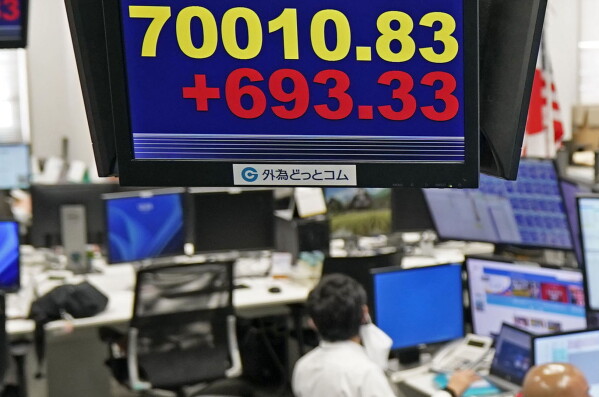
The tentative agreement to end hostilities in Iran and reopen the Strait of Hormuz is promising for the global economy. Despite a drop in oil prices, uncertainties linger about the resumption of oil flow through this critical route. Before the conflict, the strait facilitated a fifth of global crude oil shipments. However, the process of clearing ships trapped in the Persian Gulf will take time, as will ramping up production by Gulf oil producers.
Challenges Ahead
Analysts caution that ship captains may hesitate to navigate the strait due to safety concerns. The threat from Iran must convincingly decrease for assurance. Overall, oil prices and energy supplies will not revert to prewar conditions immediately; weeks or months of gradual recovery are expected, assuming the agreement holds post-signing.
Even if the strait fully reopens, tankers will require time to load and journey to primary Gulf oil consumers such as Japan; this involves a round trip of about 45 to 50 days. Insurers, captains, and ship owners will deliberate passage attempts amidst ongoing instability.
Amena Bakr, an expert at Kpler, estimates logistics hurdles include mine clearance potentially requiring six months and vessel departure and return spanning two to three months. Additionally, Gulf countries will need time to resume prewar production levels.
Operational Complexities
Some ships have used an Iranian-managed lane north of the strait, while others exit inconspicuously under U.S. supervision through a corridor along the Omani coast. Iran had previously threatened vessels utilizing established mid-strait transit routes. Clearing remaining commercial vessels may challenge an immediate transition.
Alan Gelder from Wood Mackenzie suggests that nations like Saudi Arabia may resume production faster due to mitigating factors including alternate pipelines. Iraq faces considerable operational challenges post-shut-in, potentially delaying recovery significantly.
Legal and Economic Concerns
Concerns include Iran’s demand for tolls from ships using the strait. This affects international legal obligations like the United Nations Convention on the Law of the Sea. Furthermore, U.S. and EU terrorist designations complicate efforts for payment collections via Iran’s sanctioned entities.
Neil Shearing of Capital Economics highlights existing inflation rates continuing into next year amidst economic pressures. In Germany, temporary measures designed to cushion energy price shocks will expire, potentially raising inflation.
Economists foresee energy flows reaching 80% of previous levels by September, while inflation may stabilize only with logistical normalization and sustained ceasefire.