
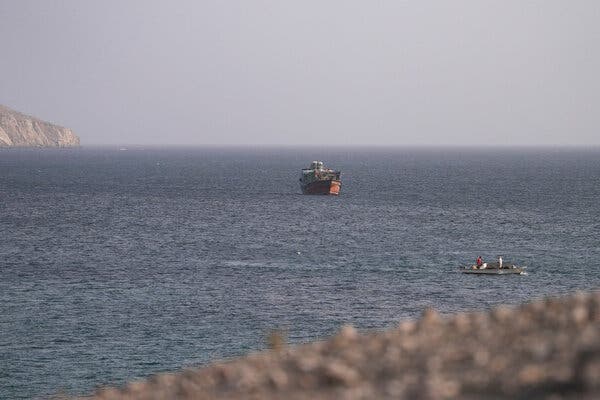
The reinstated U.S. naval blockade on Iranian ports has markedly reduced ship passages through the Strait of Hormuz. On Wednesday, the first full day of the blockade, only 13 ships navigated this vital waterway, a drop from 21 ships the previous day.
According to maritime data firm Kpler, most vessels traversing the strait passed through Iranian-controlled waters, following routes prescribed by Tehran. However, the blockade is likely to impede Iran’s control over the strait, affecting its role as a traffic gatekeeper and hindering revenue generation from oil sales. The U.S. Central Command reported intercepting two ships attempting to breach the blockade.
Kpler data indicates that five of the ships passing on Wednesday were under sanctions. Some vessels operated stealthily with tracking devices turned off, obscuring routes and complicating comprehensive shipping activity assessments. These stealth tactics also delay identification of final destinations post-transit.
The blockade coincides with ongoing U.S.-Iran conflict over the strait, now in its sixth day. This strategic passage is crucial for oil and gas transport, adding pressure on shipping operations. Before hostilities, daily vessel movement averaged over 130.
The diminishing traffic illustrates the uncertainties shippers face amid escalating tensions and restricted access in this pivotal region.