
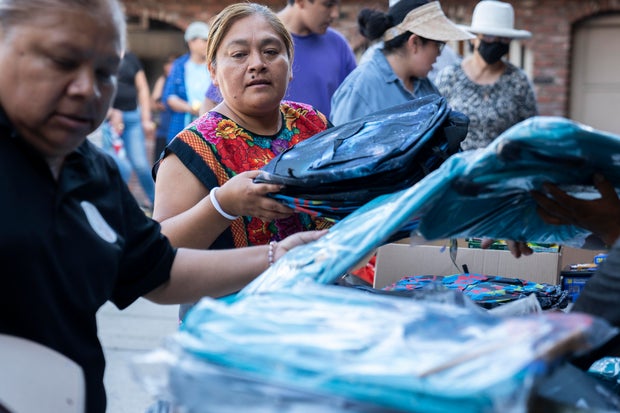
On a chilly December morning, Norma Gómez arrived at a neighbor’s apartment in Oxnard with basic supplies like food, diapers, baby wipes, and clothes. A little girl, left in shock after immigration agents detained her parents, sought hope in Gómez. These children, left in the care of a neighbor, were grappling with the sudden absence of their parents.
Since President Trump’s return to office, immigration policies have affected countless immigrant families. Norma Gómez, with the Mixteco Indigena Community Organizing Project, has witnessed these impacts firsthand. An estimated 205,000 children were separated from at least one parent through April, causing psychological harm and destabilization for entire families.
Many children face immense challenges even if their parents are not detained. Reports show cases of suicide linked to bullying over immigration status. Immigrant families, fearing enforcement, have lost access to medical care, educational opportunities, and essential support, causing increased emotional distress for children.
Wendy Cervantes from the Center for Law and Social Policy emphasizes the long-term harm these policies inflict on children’s development. A majority of these children are U.S. citizens, who face anxiety and learning issues due to family separation or the fear thereof.
“This type of stress can have long-term developmental harm and can really inhibit their ability to do well in school, to have good health outcomes, and to grow into thriving, stable adults,” Cervantes said.
Under Trump’s administration, immigration crackdowns have intensified. Policies aimed at ending birthright citizenship and cutting temporary protected status have affected numerous families. These moves claim to free up resources, but studies contradict the benefits of mass deportations.
White House spokesperson Lauren Bis focused on trafficking issues rather than addressing the long-term harm of these immigration policies on children. Public response shows that many Americans disapprove of Trump’s handling of immigration.
Stephen Miller criticized immigrants for allegedly burdening public resources. However, research shows that immigrants contribute more over time, with their children assimilating quickly and relying less on welfare than native-born citizens.
The Republican tax law limits immigrant eligibility for assistance programs. New “public charge” guidelines could lead to over a million U.S. children losing access to crucial healthcare.
Psychological Impact
Separation from parents inflicts substantial trauma, resulting in health issues like anxiety, cardiovascular disease, and learning difficulties. Studies suggest these separations contribute significantly to healthcare expenses.
Affecting society broadly, trauma from family separations costs the U.S. billions annually. Children, anxious about losing parents, exhibit increased fears impacting daily life. Pediatricians report rising mental health issues among these children.
Community leaders like Rosie Harrison express concern over the lack of mental health support for affected families, emphasizing the long-term loss to society if these children’s needs go unmet.
Coping and Community Support
Despite adversity, many children show resilience, sometimes stepping up to protect their families. Community initiatives provide support through groceries, therapy, and guided safety planning for families fearing deportations.
Case management models like the Family Case Management Program offer potential alternatives that keep families together while ensuring immigration laws are respected. Reviving such programs might mitigate ongoing harm.
Mabel Alavez, at Venice Family Clinic, assists families navigating these challenges, helping them secure necessary resources and planning for potential separations.
The impact on children growing in such environments is profound. Academic experts urge consideration of humane policies to protect these children’s futures.