
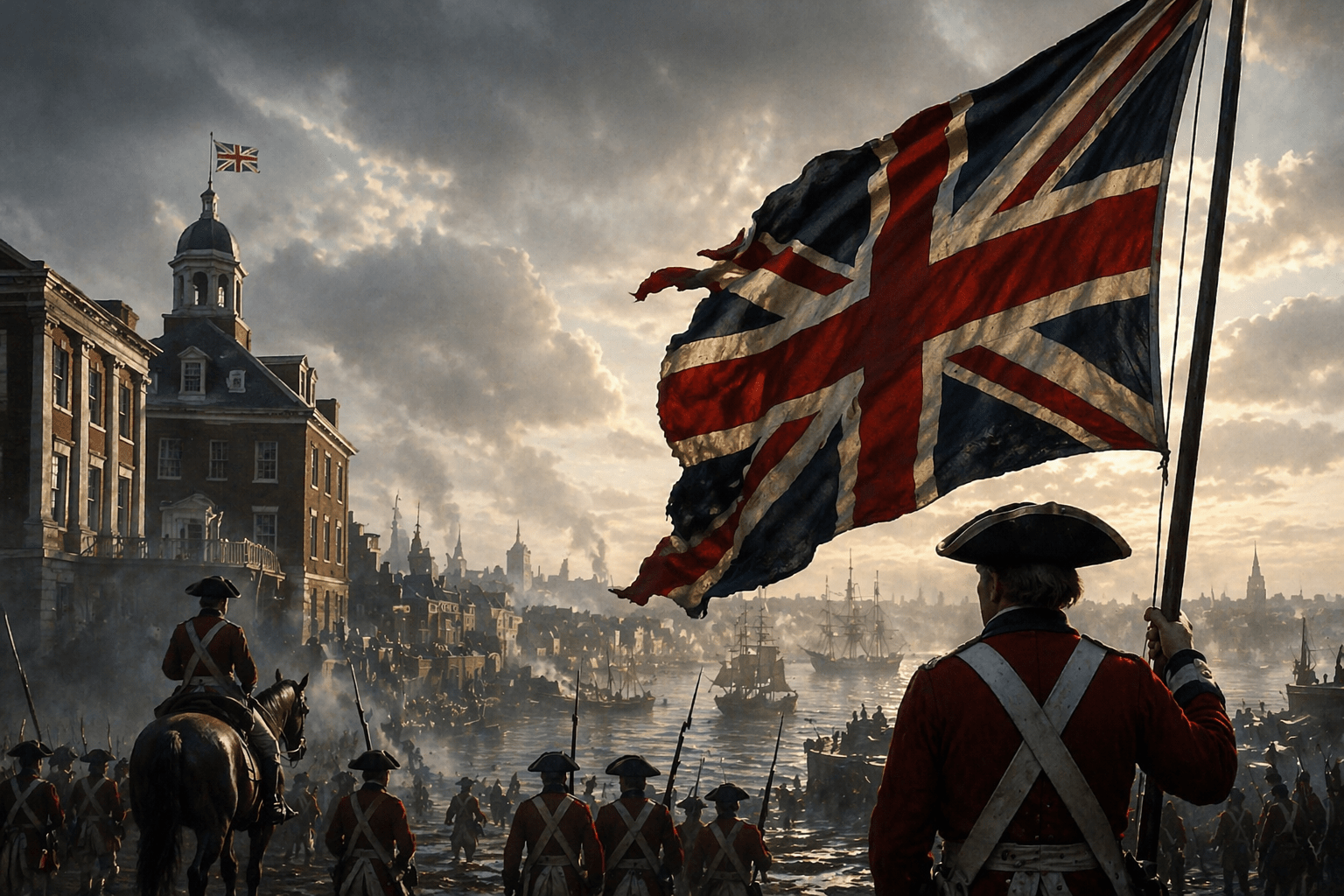
The Battle of Trenton: A Pivotal Moment
In December 1776, General George Washington successfully surprised the Hessian forces, marking a critical victory at the Battle of Trenton. This victory initiated a series of events leading to America’s 250th anniversary of independence. However, historians speculate on how different the world might be if Washington had not succeeded.
An Alternate Timeline: British Victory
If the British had won the Revolutionary War, the Declaration of Independence might have been regarded as a mere document of a failed venture. While difficult to predict precisely, historians generally agree that the colonies might have gained independence later. They point to the gradual dissolution of the British Empire, with territories like Australia, Canada, and India gaining independence over time. America too might have eventually achieved nationhood, potentially before 2026.
Potential Changes in America’s Geography
America’s map might have looked dramatically different if the colonies had lost the war. After winning independence, the U.S. expanded its territory rapidly. The Louisiana Purchase in 1803 and the acquisition of territories such as Florida, Texas, and Oregon played crucial roles. Had the British retained control, the U.S. might have been a patchwork of territories under French, Spanish, and even Russian control.
Historian Serena Zabin speculated on Russian advancements in North America. The Spanish and French might have retained their territories too. This alternate scenario could have slowed westward expansion, potentially allowing Native American tribes to maintain sovereignty longer.
The Inevitable Expansion and Slavery’s Fate
Some historians, like Joseph Ellis, argue that America’s expansion was inevitable, even if it remained a British colony. He suggests that Spanish territories, weakened by declining power, would not have resisted American expansion effectively. The fate of slavery also becomes complex in this narrative.
While Britain abolished its slave trade in 1807, it did not emancipate existing slaves until much later. If the British had won, historians speculate that earlier emancipation in the northern states might have triggered conflicts, possibly an early Civil War.
Impact on Sports and Cultural Integration
American culture might also have shifted, particularly in sports. Black athletes faced barriers in the U.S., but earlier integration in Europe could have influenced change. Historians like Louis Moore believe that sports could have developed differently, with alternate pathways for professional athletes.
If America remained a British territory, sports might have followed a system similar to European soccer, creating financial opportunities without the collegiate route.
Women’s Rights and Social Developments
The course of women’s rights might have been less affected by an American defeat. Discussions on women’s suffrage in both the U.K. and U.S. were ongoing. Some historians believe the progress might not have deviated significantly from history, with similar movements in both regions.
Convenience and Industrial Developments
America’s emphasis on convenience and its unique developments, such as drive-throughs, might not have emerged if the colonies had lost. The British restrictiveness on industrialization in the colonies might have hampered early American development.
American convenience culture, influenced by vast landscapes and automobile reliance, could have been less pronounced in a more urban-centric society.
Reflections on a Different World
Ultimately, it’s challenging to assert exactly how history would have unfolded if America had lost the Revolutionary War. Although the U.S. would probably have gained independence eventually, the geopolitical landscape and cultural trajectory might have been altered significantly.