
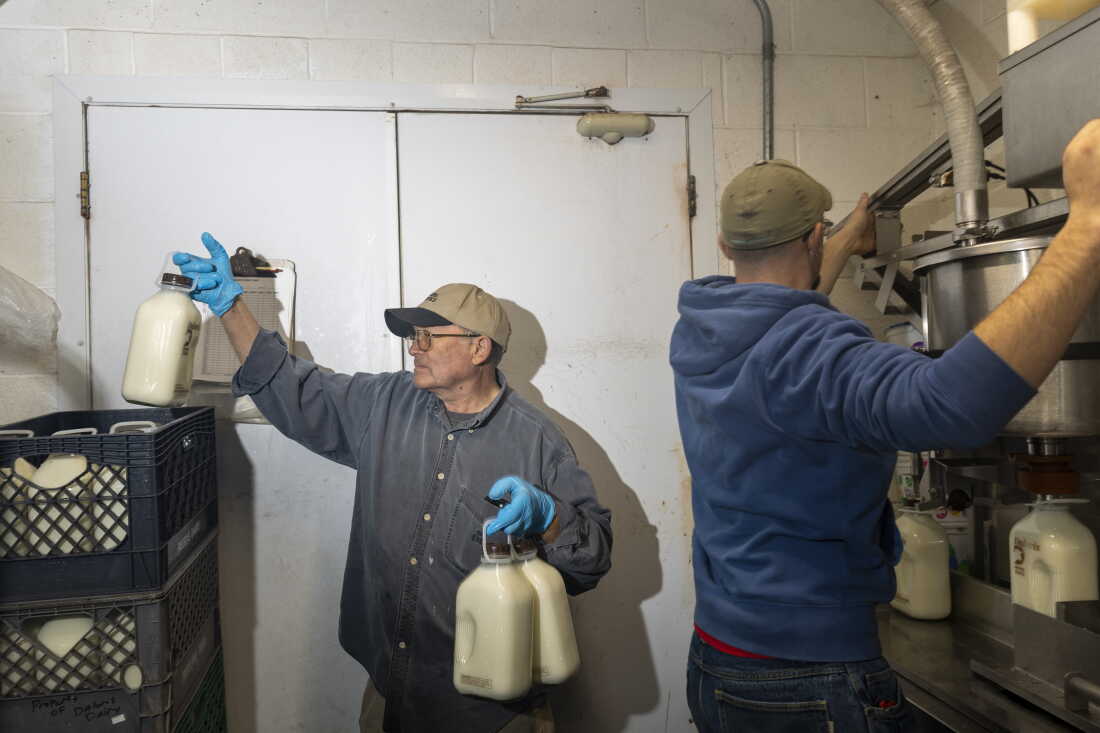
In Twin Falls, Idaho, the landscape is dominated by the many dairies that define the area’s agricultural strength. Rick Naerebout, CEO of the Idaho Dairymen’s Association, notes that the vast Snake River Canyon’s history shares space with the stories of local farms. Evel Knievel’s failed jump attempt remains a footnote compared to the booming dairy industry.
The thriving dairy sector in Twin Falls and surrounding areas relies heavily on labor from undocumented immigrants. Naerebout estimates that 90% of dairy workers in Idaho might lack legal status. He argues this workforce is vital, as the physically demanding jobs do not attract American workers. Despite aggressive immigration enforcement under President Trump, agriculture remains less impacted. Yet, farmers face increasing apprehension due to recent detentions and deportations.
Idaho, like many rural Republican states, experiences minimal immigration enforcement. However, ICE deportation flights occur twice weekly from Twin Falls airport. Activist Heather Muth leads a local effort to spotlight this impact. She reports observing detainees, including many from Idaho, transferred under ICE control, causing concern within the community.
Susan Rios, a farmworker activist in Burley, describes the unrest following ICE crackdowns. Her family chose self-deportation to avoid detention, highlighting the chilling effect on families. Even so, she reports few large raids on farms, noting the persistent labor shortages despite available jobs. Local reluctance to take these jobs underscores the reliance on immigrant labor.
Idaho’s dairy industry faces specific challenges, as it operates year-round and cannot utilize the H2A visa program designed for seasonal work. Rios urges local residents to explore available dairy jobs, highlighting the disconnect between reality and perception.
Economically, Idaho’s dairy sector holds significant influence, contributing to the overall state economy. This clout may explain the relative leniency in enforcement actions, a sentiment echoed by immigration attorney Brandy Perez. Political support within Idaho remains strong, with hopes for future regulatory relief.
Former President Trump had pledged to address visa issues affecting the agricultural workforce, expressing intentions for reform that would benefit farms nationwide. However, legislative action remains stalled, leaving the dairy industry in a state of uncertainty.
The demand for year-round labor persists, compelling Idaho’s dairy farms to navigate these complexities while awaiting policy changes. Every day, the industry continues its operations, reliant on a labor force caught in the balance of current immigration policies.