
Thirty years ago, Hyundai entered India, changing the landscape of the automotive market. Nisha Ajani, among many drivers, found her life transformed by Hyundai’s vehicles. Their arrival marked a shift in a market that offered limited choices. Hyundai’s journey from an unknown foreign brand to a strong contender alongside local manufacturers highlights India’s economic liberalization and the evolving consumer preferences.
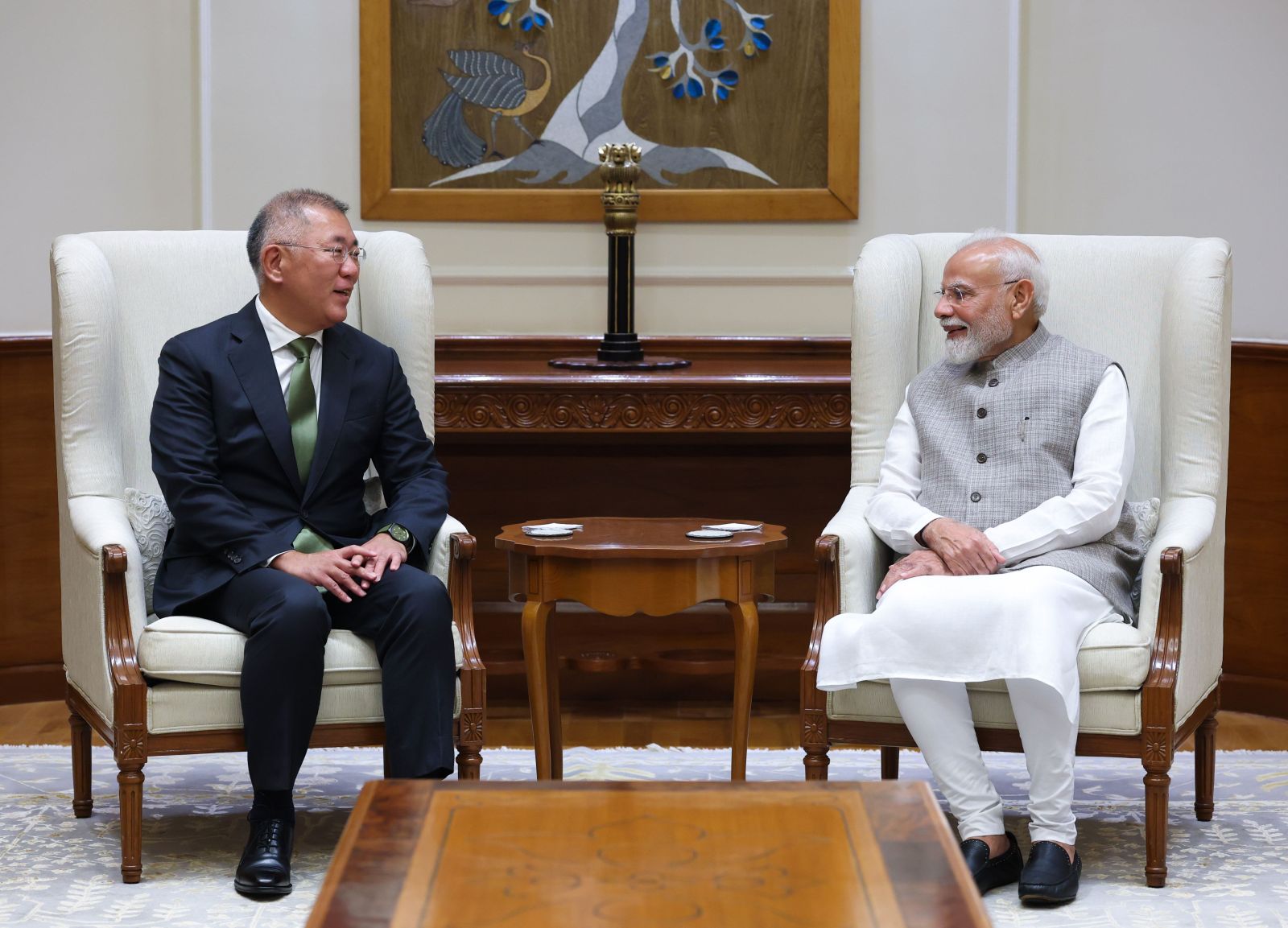
Hyundai plans a significant expansion in India with a $15.5 billion investment by 2032, aiming to make India a global hub. Euisun Chung, Executive Chair of Hyundai Motor Group, stated, “India is one of our most strategic markets globally, serving as a key manufacturing, export, innovation and R&D hub.” Hyundai also plans to invest in the energy sector and collaborate with local companies to promote the electric vehicle ecosystem.
“Beyond automobiles, Hyundai Motor Group plans to invest in infrastructure sectors such as energy to achieve mutual growth.” —Euisun Chung
The Beginning with Santro
In the late 1990s, Ajani chose her first car, the Hyundai Santro, which stood out for its high roof, spacious cabin, and modern interior. At the time, her options were limited to the Hindustan Ambassador, Premier Padmini, and Maruti 800. The Santro, launched on September 23, 1998, became her choice. Ajani stated, “That car transformed my sense of confidence and independence.”
Hyundai took a chance on the newly liberalized Indian market. In 1991, India began lifting industrial restrictions and opening sectors to foreign investment. By 1996, Hyundai established Hyundai Motor India, and by 1998 the Santro was launched. The car’s tall design, practical cabin, and advanced technology appealed to Indian families.
Role of Shah Rukh Khan
The success story of the Santro was boosted by the endorsement from Shah Rukh Khan, a leading movie star, who resonated with a wide audience. His promotion helped Hyundai build a fashionable and trustworthy image in India.
Hyundai sold 69,501 Santros in the financial year 1999-2000. Though this was less than Maruti’s 189,061 sales, it demonstrated Hyundai’s potential.
Despite early financial challenges due to the Asian financial crisis, by 1999 Hyundai India became profitable. Over three decades, Hyundai’s operations in India saw substantial growth, reaching nearly 10 million domestic sales and over 13.5 million including exports to 150 countries.
Building an Ecosystem
Hyundai invested over $4.3 billion during its first three decades in India. With 24,000 employees and plans to expand further, India has become a significant global manufacturing hub. Hyundai aims to increase production capacity to 1.1 million vehicles annually, striving for 90% local content by 2030.
“Hyundai understood Indian aspirations, not just affordability.” —Nivruti Rai, Invest India
The supply chain developed by Hyundai supports India’s global manufacturing ambitions. The next challenge is advancing into technology ownership and innovation.
Future Prospects
India’s automotive exports include $24 billion in auto parts, with 26% going to the U.S., showing the importance of international trade negotiations. As Hyundai enters its fourth decade, competition intensifies. Local manufacturers have gained strength, and SUVs have altered preferences. Hyundai’s market share ranks fourth, but it remains a major player globally.
“Hyundai India was built on humility, a deep understanding of technology trends, and integrity.” —B.V.R. Subbu
Ajani’s personal connection with her Santro continues through her children, who are now Hyundai drivers. Hyundai’s early success paved the way for ambitious goals. With ongoing investments, Hyundai Group Executive Chair Chung emphasizes their commitment to India, “We are advancing from ‘Make in India’ to ‘Design in India’ and ‘Innovate in India.’”