
The Role of AI in Travel Booking
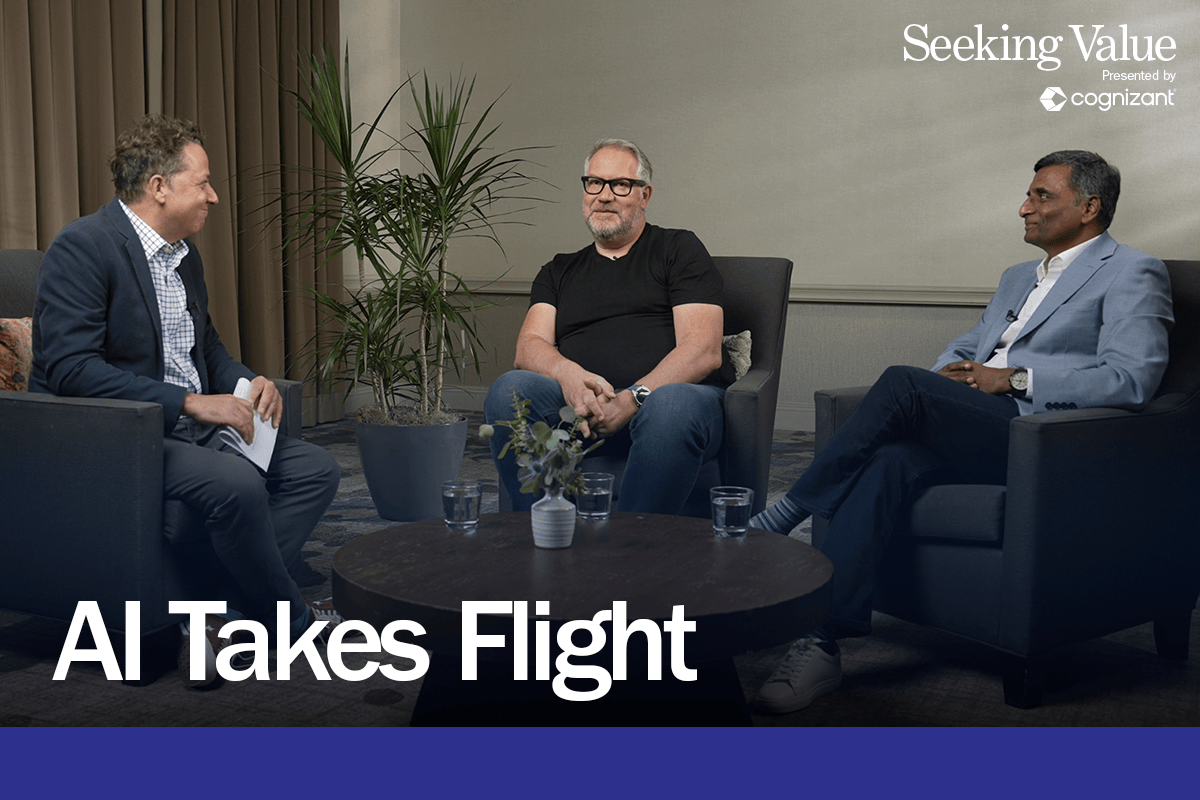
Andrew Jordan, chief technology officer at Travelport, highlights the necessity for precise travel bookings arranged by AI assistants. These assistants must ensure trips to designated destinations with specific dates and times, avoiding nearby alternatives like Philadelphia when New York is the target.
Travelport collaborates with Cognizant and Anthropic, integrating Claude into its TripServices platform. This collaboration, discussed in Cognizant’s Seeking Value video series, aims to refine Travelport’s software capabilities.
AI assists travelers in exploring destinations and comparing options, yet actual booking requires resolving ambiguities in policies and conditions, as emphasized by Nambi Palanivelu, Cognizant’s strategic business unit head.
Trust and Reservation Challenges
Jordan compares the trust hesitations in AI for travel bookings to autonomous vehicles. Consumers’ willingness to trust AI for handling financial commitments lags behind technological capabilities.
Disruptions like delayed or rerouted flights pose challenges in managing trips. AI’s error in processing refunds could lead to regulatory penalties. Therefore, Travelport uses Claude to improve processes and ensure compliance.
Adapting Legacy System and Testing
Claude helps engineers trace business processes and establish test cases, accommodating changes in policies and data structures. Its application also involves understanding legacy systems, where existing business rules remain undocumented.
AI enables legacy code translation, aiding travel specialists in code comprehension, allowing engineers to decide on software modernization.
AI Technology Integration
Jordan describes Travelport’s strategic partnership with Cognizant, driven by AI, aiming for scalable technology deployment for future product development. This contrasts with conventional outsourcing seen in engineering partnerships.
AI advances redefine software release timelines that once spanned months or years, demanding ongoing capability evaluation and integration.
Implications for Travel Companies
AI assistants could challenge long-standing practices in online retail for travel companies, altering conventional search engine reliance for web traffic and purchase guidance.
Palanivelu advises retailers on handling AI agents, ensuring product accuracy, authenticating transactions, and managing request volumes.
AI’s Influence on Distribution Systems
The growing use of AI agents presents both challenges and opportunities for intermediaries like Travelport, offering enhanced services beyond traditional inventory supply, including analytics and data-driven solutions for travel agencies.
Jordan sees potential for AI to shift airfare distribution dynamics, despite current traffic restrictions on AI-originated purchases by some airlines, anticipated to be temporary.
Looking forward, AI’s capability to predict flight disruptions 48 hours in advance suggests an evolving role in preemptive travel management, emphasizing accuracy in AI-driven transactions as critical.