
At GSK, a British drugmaker, getting a drug-safety report to the right specialist can be time-consuming. Information comes through various channels like emails, paper mail, and faxes. Someone reads it, assesses its priority, and decides its next destination. This process often requires multiple entries of the same data.
Lisa-Ann Chiriseri, director of drug safety and pharmacovigilance applications at GSK, indicates the issue is about data, not process. By changing the flow of information in pharmacovigilance, specialists will have more time for decision-making.
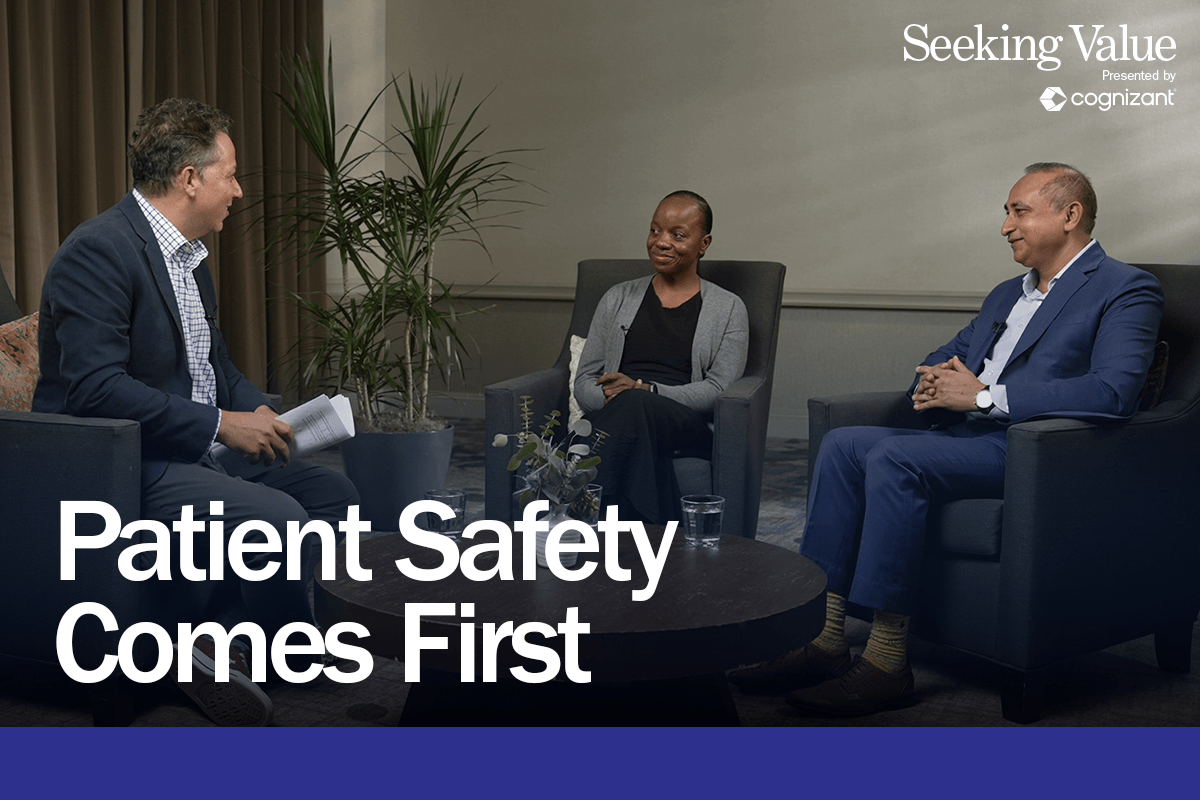
In a conversation moderated by Gabriel Snyder from Newsweek, Chiriseri and Mohammad Haque from Cognizant discussed their efforts. Cognizant collaborates with GSK to automate drug-safety workflows. Haque pointed out that improving tasks holds limited value unless all teams can access the information effortlessly.
Their aim is to ensure data preservation as it progresses through various stages like processing, evaluation, and regulatory reporting. GSK wants to improve data flow without altering existing systems. Automation decisions begin by identifying problems and evaluating if technology can address them reliably.
Utilizing AI for Efficiency
GSK employs both AI-based and traditional automation to classify incoming safety reports, set priorities, and direct information accurately. Structured data helps maintain necessary context for reviews and checks.
Haque envisions a significant role for specialized AI agents in the process of pharmacovigilance. He proposed an operating model combining Cognizant’s services with an AI-based platform, spanning seven interconnected areas of drug-safety operations. This would cover everything from receiving reports to preparing regulatory information and assisting with inspections.
Instead of a general-purpose system, the design coordinates agents with specific duties. Approximately 40 specialized agents could support activities throughout the lifecycle. Running tasks in parallel can minimize wait times between teams.
Automation and Human Oversight
GSK and Cognizant have pursued automation initiatives, while agent architecture is part of a longer-term strategy. Human judgment remains vital due to regulatory obligations in drug safety. Haque distinguishes tasks governed by rules from those needing interpretation and domain knowledge.
The model includes two forms of oversight. Some agents prepare work for professional action, while others follow predefined workflows with oversight from employees. GSK incorporates safeguards to align innovations with regulatory standards from the start.
Chiriseri asserts traceability through audit trails and monitoring to maintain system integrity. Regulation offers a framework for responsibly introducing new capabilities.
Evaluating the Impact of Automation
The companies are reevaluating technology investments. Haque states that traditional automation measures do not fully capture improvements in drug-safety operations. They focus on outcomes like reducing case processing time and efforts for safety reports by 50%, and shortening the decision-making period for potential safety signals by 40%.
Consistency in quality-control activities is targeted to exceed 90%.
Chiriseri is optimistic about moving from pilots to production with positive early results. Success also hinges on how employees adapt to technology. Concerns about AI affecting jobs exist, but GSK encourages workers to become proficient and part of improvements. This includes citizen development, where non-engineers help create applications or workflows.
Reusing existing information and technologies is pivotal rather than rebuilding capabilities. Connecting data supports new workflows without replacing every system.
Haque advises companies under strict regulation to map their processes and data before introducing AI. By letting agents handle predictable work and designing accountability, decisions remain open and controlled.