
Hawaii has begun the recovery process after Hurricane Lala, while forecasters focus on two potential storm developments in the Pacific. One disturbance is likely to form south of Mexico, and another may emerge southeast of Hawaii.
Current Storm Situation
As of Monday, Lala has downgraded to a tropical storm and is situated west of Hawaii with 65 mph winds. Although moving away, it may regain hurricane strength over open waters later this week.
Pacific Activity Compared to Atlantic
The Pacific hurricane season remains active, unlike the quiet Atlantic basin. While the National Oceanic and Atmospheric Administration predicts a below-normal Atlantic season, the Pacific has seen several storms, with Lala being notable for its impact on Hawaii.
Impact on Hawaii
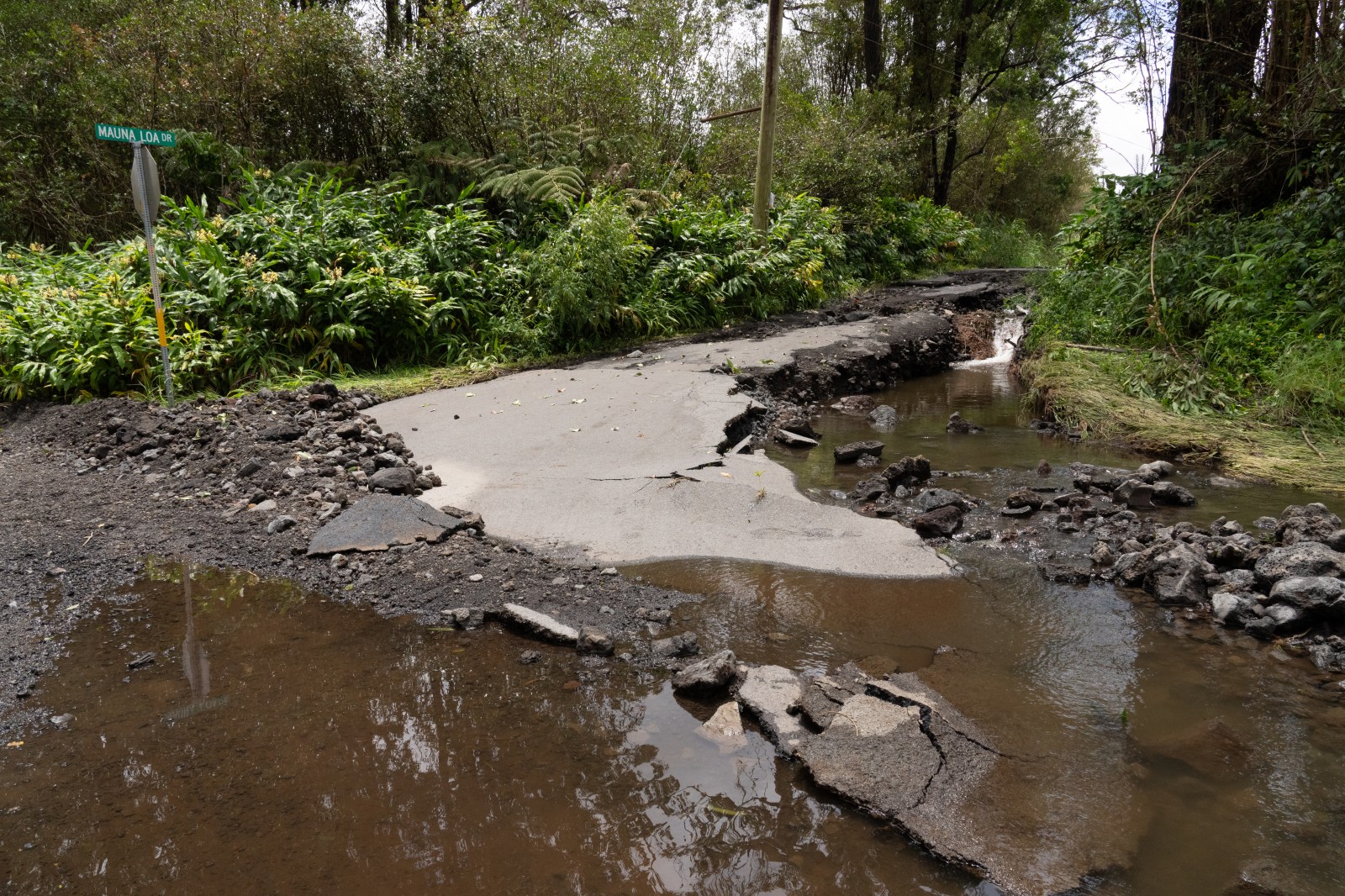
Hurricane Lala brought severe weather to Hawaii despite not making landfall. It caused damaging winds, heavy rain, flooding, and landslides. The state government responded by closing various offices statewide on August 17.
“Due to the severe impacts of Hurricane Lala, all state and county offices, Hawaiʻi State Department of Education schools, public charter schools, courts and Judiciary offices statewide will be closed Monday, August 17,” Hawaii Governor Josh Green posted on X.
U.S. Senator Mazie Hirono emphasized federal support for recovery efforts. The NWS reported over 2 feet of rain in some areas, with Laupahoehoe seeing over 43 inches.
Future Threats
The NHC’s outlook indicates a system south of Mexico could develop into a tropical depression by the weekend with a 70% chance over the next week. A second system southeast of Hawaii holds a 50% chance of developing as it moves west into the central Pacific.
Currently, Hawaii is not directly threatened by these disturbances. However, the second system may attract attention due to its proximity to Hawaii’s region. Forecasting remains uncertain, and changes are possible as systems evolve.
Lala’s Legacy
Lala will be recalled as a significant cyclone for Hawaii, the fifth to pass within 70 miles of the Big Island since 1957. It showcased Hawaii’s vulnerability to nearby cyclones that don’t make direct landfall.
As recovery continues, Hawaii’s residents and emergency planners will keep a close eye on the Pacific as the busy 2026 hurricane season progresses.