
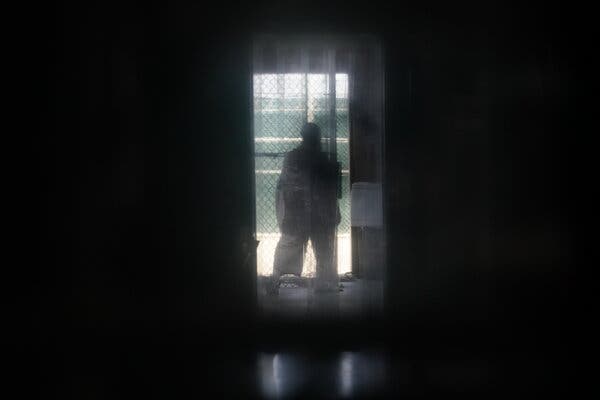
Recent legal proceedings at Guantánamo Bay have intensified the focus on a terrorism case related to the Sept. 11, 2001 attacks. This lengthy case has already been in pretrial stage for 15 years, yet a trial date remains unset.
Prosecutors and defense lawyers presented opposing narratives in the latest hearings. Prosecutors described the detainees as committed jihadists who boasted about their involvement in the attacks during early interrogations at Guantánamo. In contrast, defense lawyers argued that these men, having endured significant mistreatment and solitary confinement in C.I.A. prisons, were coerced into confessions to U.S. agents.
The central issue now before the military judge is whether Khalid Shaikh Mohammed, accused of orchestrating the attacks, and his co-defendants, made their statements voluntarily. These statements’ admissibility is critical as the case approaches a turning point almost 25 years after the tragic events that led to nearly 3,000 deaths in New York, Pennsylvania, and at the Pentagon.
The decision lies with Lt. Col. Michael Schrama, who will announce his ruling this summer. Stephan Gerhardt, who lost his brother Ralph at the World Trade Center, remarked that the judge’s decision could be essential in resolving the significant legal questions, potentially paving the way for a trial date to be set.
This case highlights the complexities and challenges of the U.S. military justice system, particularly concerning high-profile terrorism suspects and issues of detainee treatment and rights.