
Before joining ProPublica in 2021, I investigated a Georgia prison doctor named Carlo Musso who discussed his involvement in lethal injections. Once he left that role, I sought to identify his successor by filing requests for public records. The position Musso held is controversial, leading over a dozen states to prohibit disclosing the identities of those linked to lethal injections. Georgia is included in this group, taking significant measures to conceal the procedures of its executions.
Georgia declined to provide the records I requested, citing that secrecy laws are essential to protect those aiding in executions from harassment by death penalty critics. I eventually pursued legal action against the state. After several years, a panel of three judges ruled in my favor, leading to the release of some documents. These documents offer new insight and reignite previous inquiries regarding Georgia’s execution process.
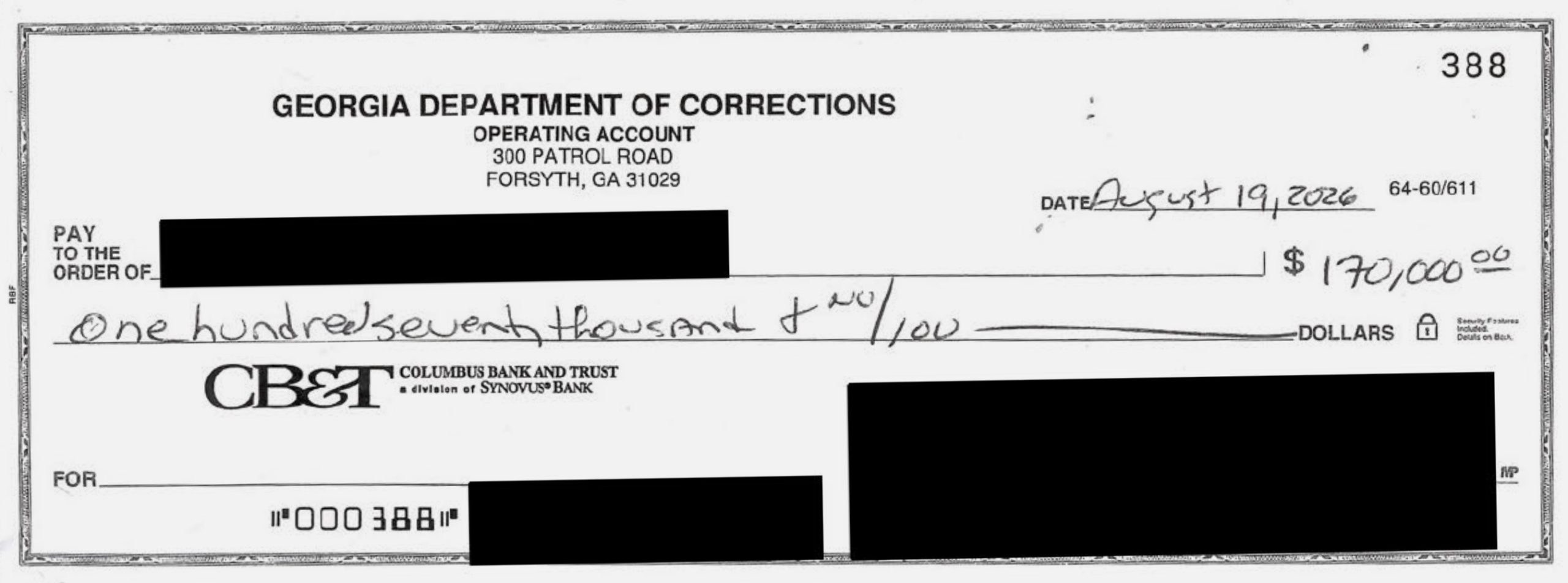
One of the key findings reveals that Georgia has spent more than $1.1 million since the COVID-19 pandemic on at least one contractor assisting its Department of Corrections with lethal injections. During this period, the state conducted only one execution. Furthermore, the records indicate that Georgia’s expenses related to lethal injections have increased significantly compared to previous years. The Department of Corrections has averaged over $150,000 annually for these costs over the last decade, notably more than what was spent in prior years.
Secrecy laws like Georgia’s obscure the rising expenses connected to pharmacists who prepare the drugs and the doctors who administer them. According to legal experts, these costs highlight the difficulties corrections officials face in securing resources for executions, which can expose prisoners to extreme pain. Deborah Denno, a Fordham University law professor and death penalty expert, remarked, “You wouldn’t have to pay this much money if the lethal injection process was an acceptable one.”
The Georgia Department of Corrections, despite releasing records, refused to address questions about escalating costs and secrecy. The attorney general’s office, representing the department in my lawsuit, also declined to comment. State officials have argued that secrecy laws are crucial to prevent harassment of those involved, suggesting executions in Georgia would be impossible without them.
Georgia’s approach to lethal injections faced obstacles since it replaced the electric chair in the early 2000s. Opposition from death penalty critics pressured pharmaceutical companies into halting sales of drugs used in executions. The last U.S. factory producing a critical ingredient for these drugs ceased operations, causing states, including Georgia, to seek other sources. The state once sourced drugs from a London-based wholesaler but faced legal challenges, with the DEA seizing its drug supply in 2011, followed by the EU’s ban on selling drugs for executions.
By 2013, Georgia began contracting compounding pharmacies to produce customized drugs for executions. Though such pharmacies serve legitimate purposes, they face minimal regulation and can incur high costs. Experts warned that insufficient oversight could increase the likelihood of drugs malfunctioning during executions. Following this transition, Georgia enacted the Lethal Injection Secrecy Act, receiving defense from state prosecutors in court.
In recent years, states like Texas, Indiana, and Arizona spent substantial amounts to obtain drugs from secretive sources. Defense attorneys’ efforts to gain more information about execution procedures have met limited success. However, the American Civil Liberties Union found that the Federal Bureau of Prisons invested millions in execution-related staffing.
Georgia has taken extreme measures to protect the identities of those involved in executions. When I initially requested records, the Department of Corrections withheld documents containing identifiable data. The department rejected my request to release redacted records under the Georgia Open Records Act, leading me to sue. The state ultimately redacted names but disclosed documents showing significant efforts to safeguard contractors.
Georgia’s responsibility for contractors’ legal costs could burden taxpayers with attorney fees in specific legal challenges. The state is legally committed to supporting contractors in various disputes, including potential license revocation threats for medical professionals involved in executions. Records indicated potential neglect of financial policies by state officials, revealing reliance on handwritten checks and sparse documentation. When I requested more detailed purchasing records as per policy, the department’s response stated, “There are no other records.”