
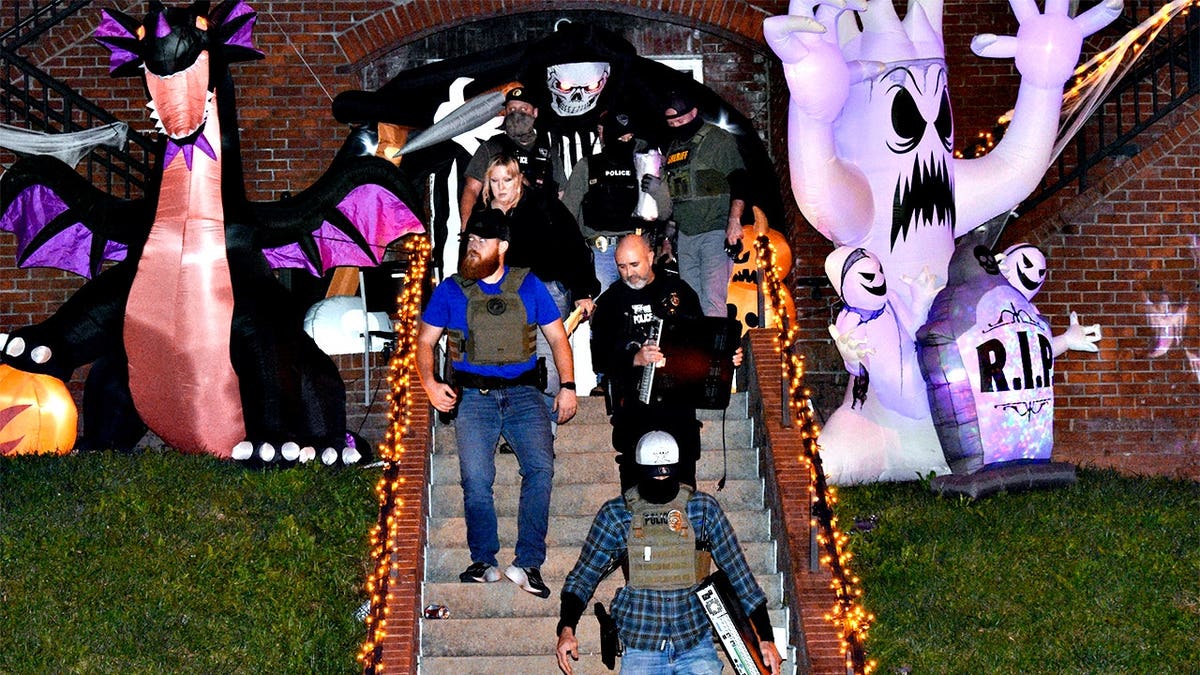
Law enforcement is currently investigating hazing allegations at the Lambda Chi Alpha fraternity house at West Virginia University. This is part of a broader national focus on fraternity hazing. On October 26, officers gathered evidence from the fraternity house amid the backdrop of loud music and numerous onlookers.
Authorities, including campus and local police, executed a search warrant due to hazing allegations. This action follows the university placing the fraternity chapter on interim suspension on October 9 after receiving anonymous reports of hazing. Evidence was carefully collected and loaded into police vehicles during the ongoing investigation.
In a related move, search warrants were also served at the Pi Kappa Alpha fraternity house on the same date. This fraternity, known as PIKE, is under scrutiny for similar hazing allegations, although it has not received a suspension.
National Interest in Hazing
These incidents are part of a growing number of fraternity hazing probes nationwide. Hazing often involves recruits being subjected to demanding, humiliating, or risky tasks. Despite increased investigations, hazing incidents have long been underreported due to fear of retaliation.
Michael Ayalon, a hazing prevention expert, attributes the heightened attention to federal law changes, such as the Stop Campus Hazing Act passed in December 2024. This law emphasizes transparency in hazing allegations, leading to more visibility in these cases.
Impact on Fraternity Life
Ayalon highlights that while most fraternity members contribute positively, hazing allegations affect public perceptions. Investigations make recruitment harder and challenge alumni and universities to justify fraternity involvement. He describes current events as a wake-up call for students about the reality and dangers of hazing traditions.
Hazing often justifies itself through flawed reasoning, suggesting that enduring similar experiences is essential for building camaraderie. However, Ayalon stresses that there is a significant difference between facing challenges as equals and being humiliated or controlled.
Types of Hazing Practices
Hazing practices vary by fraternity or sorority type. For instance, historically white fraternities often involve forced alcohol consumption, leading to 82% of hazing-related deaths. Sororities may engage in mental abuse, while historically black fraternities and sororities may involve physical or mental abuse.
West Virginia University is committed to student safety and has stated that the welfare of students is a priority. As investigations are ongoing, the university will release further details when possible.
Fox News Digital has reached out to Lambda Chi Alpha and Pi Kappa Alpha for comment. Both fraternities are involved in the ongoing inquiries.