
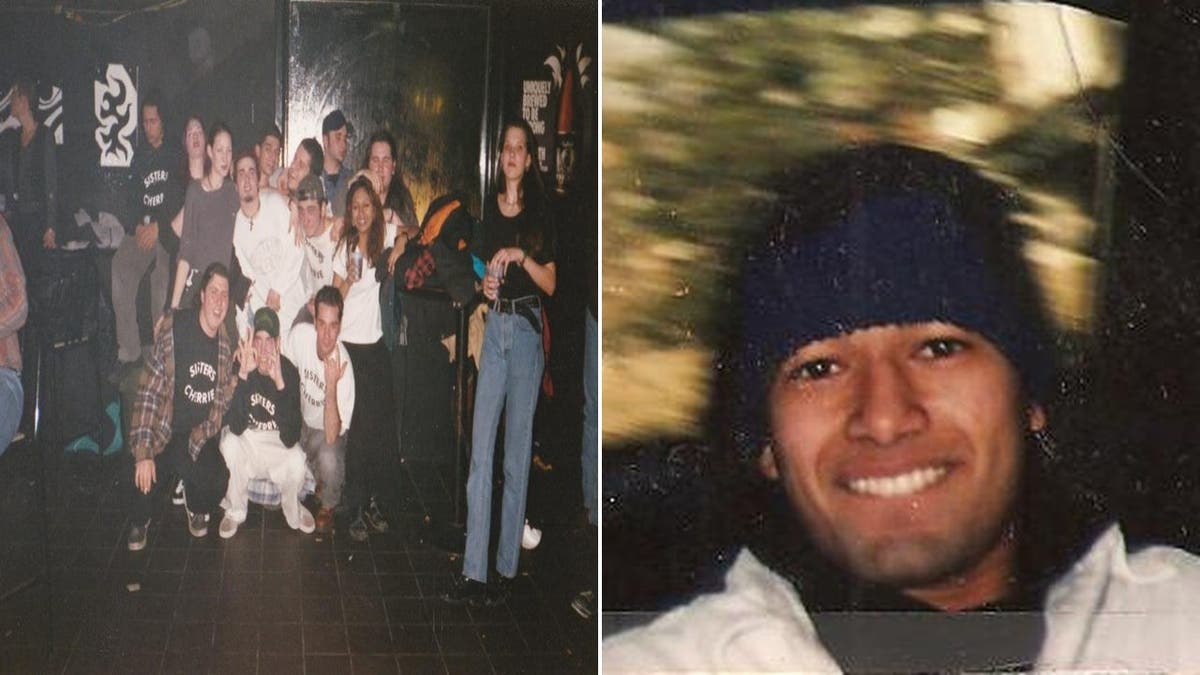
Mubin Shaikh was once captivated by extremist ideologies, having been radicalized by the Taliban. Now, he serves as a counter-terrorism expert in the United States and Canada. Shaikh shared insights on recognizing radicalization, emphasizing the significance of observing behaviors that align with pathways to violence.
Shaikh said, “Doing reconnaissance on a target or checking out locations such as synagogues or mosques can be a major indicator of radicalization.” It’s crucial for parents, educators, and others to be vigilant and aware of these signs.
“It’s very important for parents, educators and others to be aware of these signs so that they can possibly prevent the next attack,” Shaikh told Fox News Digital.
In his youth, Shaikh’s journey into radical ideologies began in Pakistan, after his uncle made him feel guilty for attending a house party. This guilt led him to seek religious guidance, inadvertently initiating his path to radicalization. He ventured into regions like India, Syria, and Pakistan, notably a Taliban stronghold in Quetta.
Shaikh recounted, “A chance encounter with the Taliban convinced me that the only way to succeed was through militant jihad. Being a young man yearning for meaning and identity, I embraced their mindset.”
Shaikh’s shift away from extremism started when he married. He realized the importance of family and intimacy, which gradually diminished his interest in militant ideologies.
Speaking on how marriage affected him, he shared, “The abstract theological discussions became less relevant when faced with the reality of having a family, leading me to rethink my priorities.”
The terrorist attacks on September 11, 2001, marked a crucial turning point in Shaikh’s journey away from extremism. He dedicated two years to studying Arabic and Islamic studies, which helped in his de-radicalization.
Upon returning to Canada, Shaikh discovered his former classmate, Momin Khawaja, had been arrested under new anti-terror legislation. Shaikh contacted the Canadian Security Intelligence Service (CSIS) and was subsequently recruited as an undercover counterterrorism operative.
Sharing his experience, Shaikh said, “By 2012, ISIS was emerging, and the US government asked for assistance. I actively participated in anti-ISIS operations from 2012 to 2020.”
Today, Shaikh works with Parents for Peace, a nonprofit focused on countering radicalization and extremism, particularly among juveniles under 18.
He remarked, “Witnessing individuals move away from extremist ideologies is inspiring. Their lives and personal situations improve significantly when they leave those beliefs behind.”
Shaikh’s experiences in counterterrorism offer hope for families, as he stated, “Seeing parents get their kids back after leaving extremism is rewarding.”