
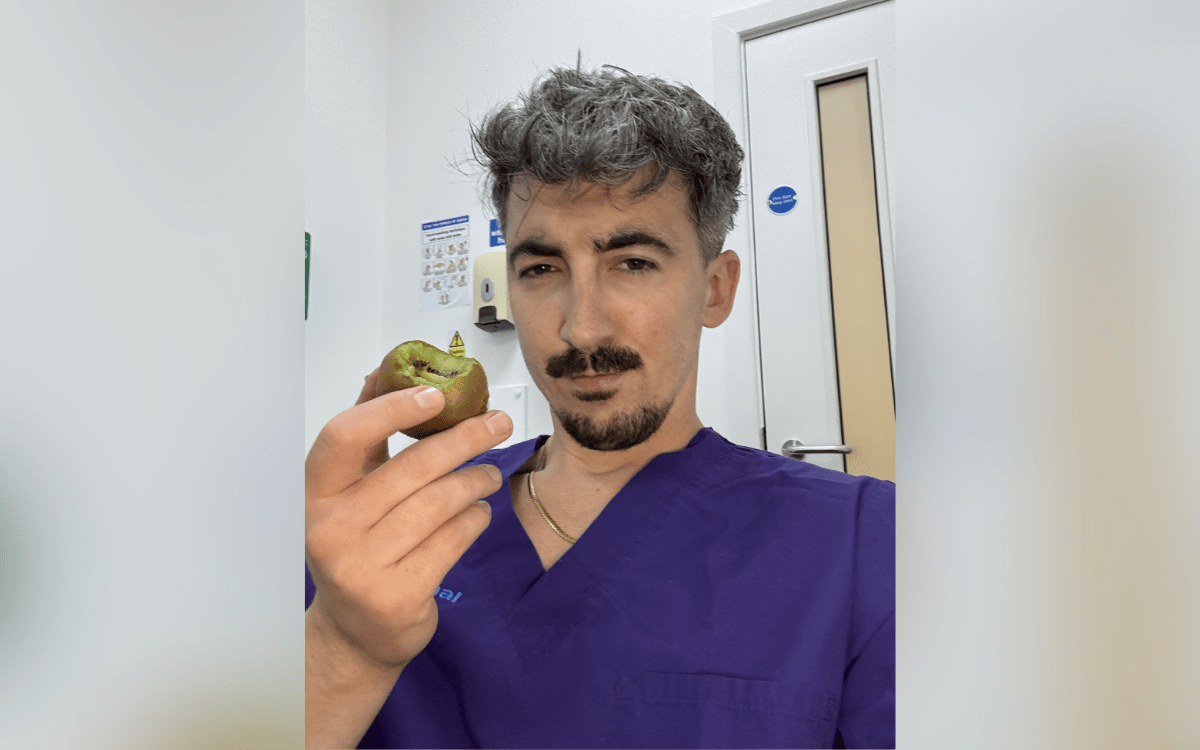
Gastrointestinal expert Jordan Haworth shares his insights on gut health, highlighting five foods best avoided for better digestive well-being. Working at the Functional Gut Clinic in the U.K. for almost a decade, Haworth focuses on uncovering the causes of digestive problems.
He reflects, “Initially, I didn’t know gut health was a topic. Now, we understand its crucial role in our overall health, affecting mood, metabolism, skin, and immunity.” Although interest has grown recently, awareness is still lacking. According to a 2024 survey by Danone North America, 41% of Americans are unfamiliar with the gut microbiome, while 50% don’t realize its impact on gut health.
The gut microbiome consists of trillions of bacteria and microbes in the digestive system. These play a role in food digestion, beneficial compound production, immunity support, and protection against pathogens.
The Foundations of Good Gut Health
Haworth feels the concept of gut health is often made overly complex. He states, “The term has been hijacked by supermarkets and supplement companies. The good news is, gut health does not require expensive probiotic pills or green powder.” Instead, he suggests focusing on three fundamental elements, or the “three Fs”:
- Fiber: Found in beans, oats, apples, pears, whole grains, chia seeds, and psyllium.
- Phenols (polyphenols): Present in colorful and bitter foods like blueberries, red cabbage, coffee, dark chocolate, and olive oil.
- Fermented foods: Such as yogurt, kefir, kimchi, and sauerkraut.
He also advises adequate sleep, stress management, and at least 150 minutes of weekly exercise.
Why Food Poisoning Matters
Avoiding food poisoning is crucial for gut health. Haworth calls it the “biggest wrecker of gut health,” explaining, “The bacteria causing foodborne illnesses can have lasting effects on the gut.” Research indicates around one in five people may develop post-infectious IBS after a Campylobacter infection due to a toxin called CdtB, leading to gut damage, inflammation, and increased sensitivity.
While proper food storage and cooking are important, many food poisoning cases happen outside the home. Haworth avoids typical culprits like buffets and kebabs.
1. Raw Oysters
Haworth avoids raw oysters because they filter feed, accumulating bacteria and pathogens from the surrounding water. He suggests eating cooked oysters or those undergoing depuration, which reduces harmful bacteria using UV-treated water.
2. Rare Beef Burgers
Haworth is cautious about rare beef burgers. Restaurants often ask how patrons want their burgers cooked, leading some to choose rare, thinking of steak. However, minced beef used in burgers may contain surface bacteria throughout the patty.
3. Sushi
Sushi, though made with deep-frozen sushi-grade fish to kill parasites, doesn’t eliminate all bacterial risks. Haworth advises against buying heavily discounted sushi that has been shelved for long periods.
4. Sprouts
Though nutritious, Haworth considers sprouts high-risk for bacterial growth due to their warm, wet growing conditions and proximity to soil. Consumed raw, they may harbor bacteria.
5. Pre-Packaged Salad Bags
The surprising entry on Haworth’s list is pre-packaged salads. These carry contamination risks during harvesting, processing, and transportation. The CDC often links leafy greens to food poisoning outbreaks. Haworth prefers buying and washing individual spinach leaves over prepackaged salad mixes, reducing cross-contamination risks.