
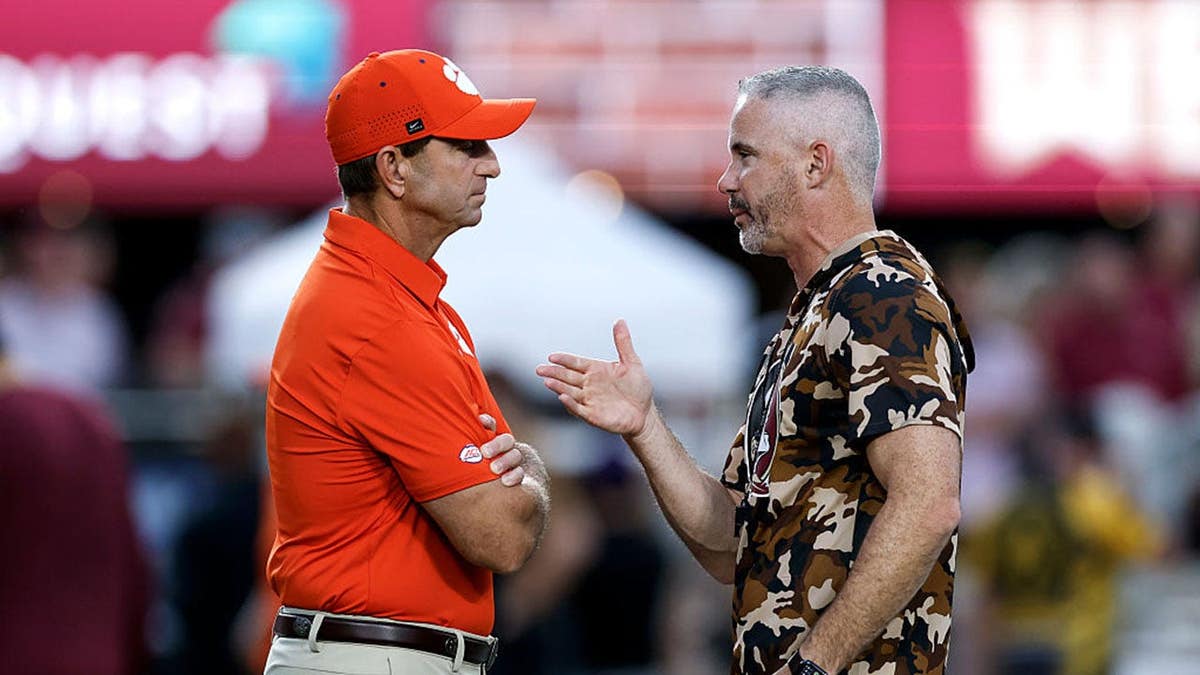
Florida State University’s decision to cut ties with head coach Mike Norvell followed Saturday’s loss to Clemson, played to a sparse crowd. The university faced mounting pressure as fan apathy grew, prompting significant internal discussions among President Richard McCullough, athletic department leaders, and key donors.
On Sunday, Florida State made the announcement public, opting to fire Norvell. This decision came shortly after President McCullough released an open letter, urging support for student-athletes through the remainder of the 2026 season. The team’s performance, now standing at a disappointing 3-5 with only one Atlantic Coast Conference victory, pressed the administration to act decisively.
In 2020, Florida State had potential for a College Football Playoff position before a setback from a key player’s injury. Since then, Norvell’s tenure saw a downturn, with a record of 2-10 in 2024, followed by last season’s 5-7 outcome. Frustration among fans grew, leading to strong calls for a coaching change despite Norvell’s contract extension, which includes a buyout of $50.3 million.
“We have made the decision to change the leadership of our football program,” expressed President McCullough. “We thank Mike Norvell for his commitment and service to Florida State and wish him and his family the very best. We understand the deep passion of Seminole fans and share their high expectations for this program.”
Rick Stockstill has assumed the role of interim head coach following Norvell’s exit. Meanwhile, the search for a new permanent head coach begins, reflecting the university’s commitment to restoring the program’s prominence.
The Context of Change
Adding complexity to FSU’s situation, the institution announced the firing of athletic director Michael Alford in September. School officials hoped for Norvell’s success this season to stabilize fan support and secure his position for 2027, yet recent results dashed those hopes.
The administration faced additional challenges, as social media buzzed with criticism, including the infamous plane banner calling for Norvell’s dismissal, albeit with a spelling error. This reflects the high-stakes environment in college sports, where maintaining competitiveness is essential amidst developments like NIL deals and transfer portal dynamics.
A Financially Driven Decision
The 36-24 loss against Clemson marked a pivotal moment, pushing influential donors to insist on a leadership change. Continuing under Norvell could risk making FSU an easy target within the ACC, especially when strategic financial decisions impact competitiveness. Ensuring financial backing from boosters became crucial, as FSU sought the funds to end Norvell’s contract and enhance recruitment efforts through the transfer portal.
The buyout decision underscores Florida State’s resolve to return to its esteemed status in college football. The university recognized the necessity to invest in a new coaching staff, despite the financial implications. As FSU now opens the search for new leadership, it remains a sought-after position within the landscape of college football.