
The Federal Reserve opted to keep interest rates unchanged on Wednesday, maintaining the range between 3.50 percent to 3.75 percent. This decision follows a period where the 30-year fixed-rate mortgage climbed to its highest point in nearly a year. This rise is attributed to renewed energy price increases after the disruption in the U.S.-Iran ceasefire.
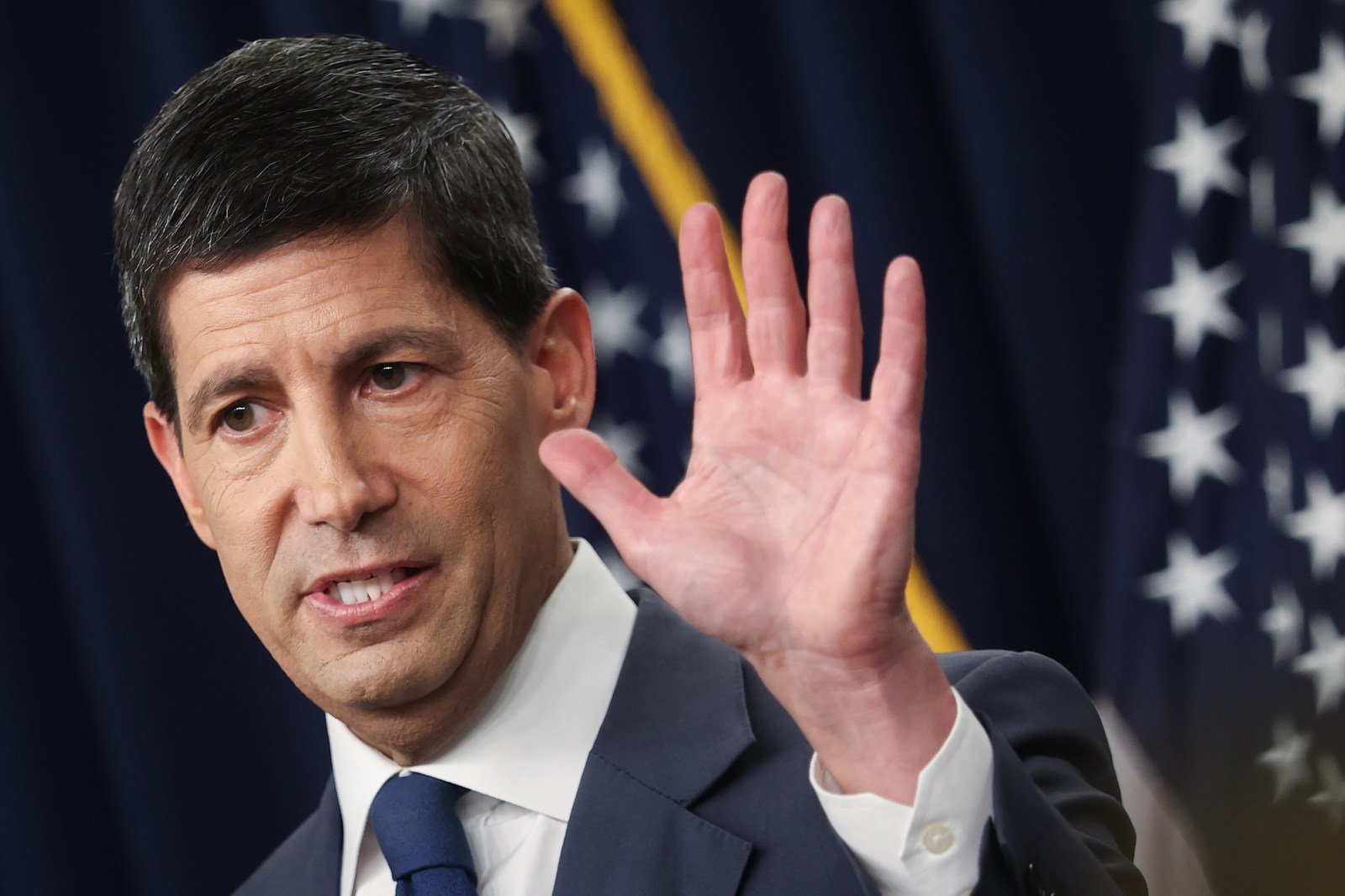
The central bank’s decision came as expected despite three policymakers advocating for a rate hike. President Donald Trump, long vocal about wanting lower rates, expressed support for the new chairman Kevin Warsh. Trump described Warsh as a “brilliant guy” during a conversation with reporters.
Many analysts anticipate future rate hikes. Even though rates remain unchanged, this week’s decision by the Federal Reserve could still affect mortgages and the housing market.
Impact on Mortgages
While the Federal Reserve doesn’t set mortgage rates directly, its decisions influence the rates lenders offer. Both 15- and 30-year fixed mortgage rates follow the lead of long-term Treasury yields, which are affected by the Fed’s federal funds rate decisions.
Treasury yields reached their highest since July 2007 on Wednesday; the 30-year Treasury bond yield increased 10.5 basis points to 5.201 percent. Concerns around Middle East conflicts and oil market disruptions are fueling inflation fears.
Mortgage rates have mirrored this increase. The national average for a 30-year fixed-rate mortgage hit 6.58 percent as of the week ending July 23, according to Freddie Mac. Bankrate reported it reached 6.75 percent on Wednesday.
Borrowing costs for potential homebuyers may rise further. Even after the Fed’s decision to freeze rates, Treasury yields continued to increase, reaching 5.236 percent by Thursday morning, as reported by CNBC.
According to Jeff DerGurahian, Chief Investment Officer and Head Economist at loanDepot, “Oil and inflation remain the biggest drivers, and mortgage rates will likely need energy prices to settle and inflation to remain under control before they can move meaningfully lower.”
Homebuyer Expectations for the Year
Inflation remains above the central bank’s 2 percent target and could increase if conflicts in Iran persist. This may force the Federal Reserve to end its rate pause approach by 2026.
Many expect a rate hike later this year, potentially the first since July 2023. “Between now and the September meeting, inflation reports will be the Fed’s main focus,” DerGurahian mentioned. “Unless there’s a major technology-sector sell-off or weak labor reports, the market will closely watch to see if higher oil prices impact core inflation.” These observations may influence the timing of the Fed’s next rate decision, anticipated in September, October, or later.
This situation presents challenges for borrowers and homeowners seeking to refinance, as mortgage rates might rise back into the 7 percent range, adding financial strain.
To benefit, locking in a mortgage rate now is advised for those who can afford it. If rates decline, borrowers can adjust their rate, ensuring protection against future hikes.
Adjustable-rate mortgages could be more affordable than fixed rates but come with the risk of increased rates on reset. Currently, these adjustable rates are also rising; the rate on a 5-year ARM reached 5.98 percent last week, as per Reuters.
Experts suggest comparing mortgage rates to potentially save between 0.50 percent and 1 percent. This advice comes from Erin Sykes, chief economist and real estate adviser at Nest Seekers International, in her comments to CBS.
For more information, you can contact Newsweek editors Matthew Robinson and James Debens.