
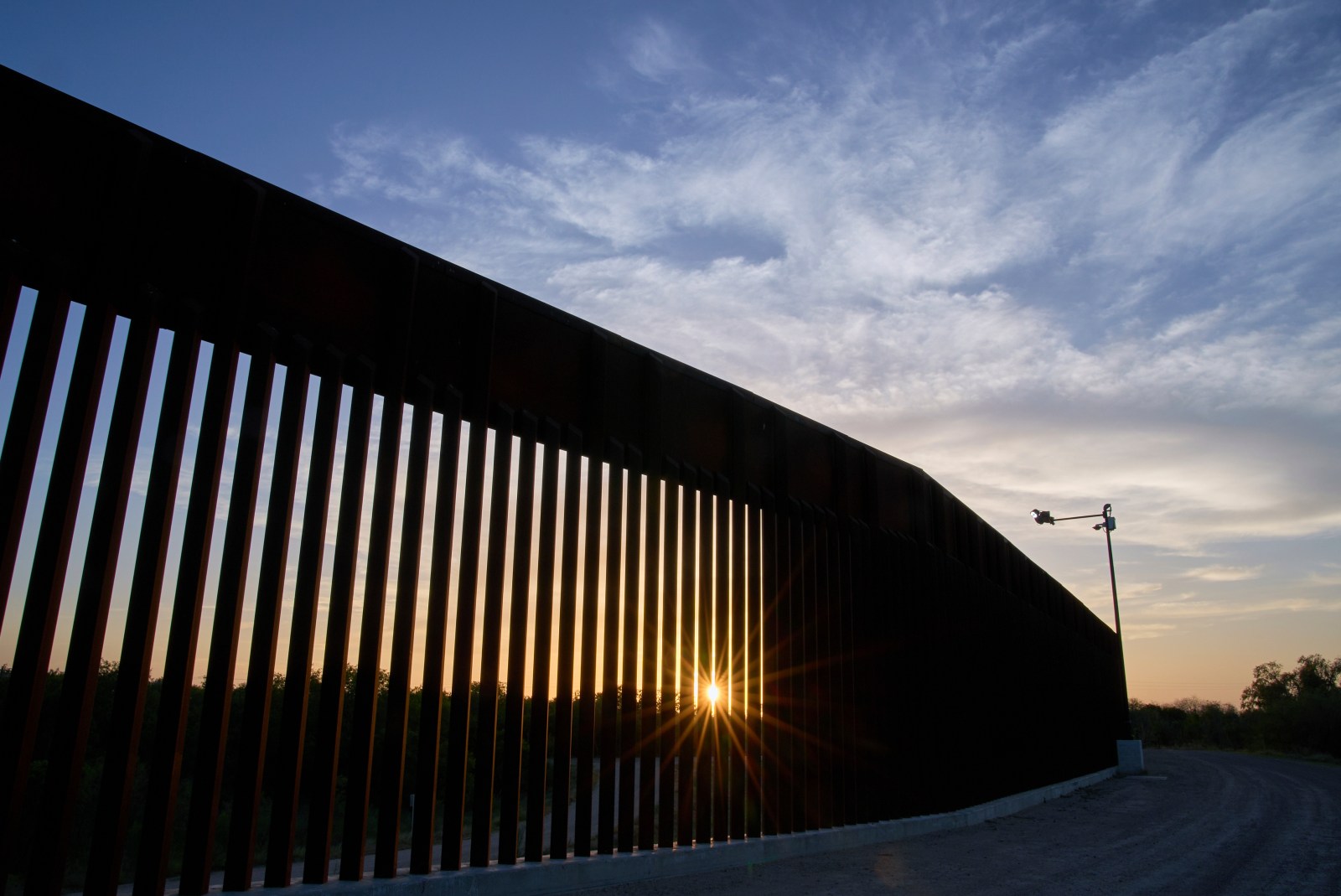
Legal Victory for Trump’s Border Wall
A federal judge ruled in favor of the Trump administration in its pursuit to extend the southern border wall. The Tohono O’odham Nation’s request to stop construction along a 62-mile segment of its reservation was denied. The tribe argued the construction could damage sacred sites and disrupt religious practices, but their request was rejected.
The decision enables the continuation of border wall expansion, a key issue for President Trump. This construction project has faced multiple lawsuits from tribal nations and other groups opposing the disruptions it causes.
Details of the Court’s Decision
U.S. District Judge Richard Leon, appointed by President George W. Bush, denied the injunction sought by the Tohono O’odham Nation. He stated the tribe’s legal claims were unlikely to succeed, noting the existing Roosevelt Reservation along the border. Judge Leon concluded that national security and public safety interests outweighed the alleged harms to the tribe.
The Roosevelt Reservation, established in 1907, is a federal land strip along the U.S.-Mexico border. This area predated the official establishment of the tribe’s reservation. While the tribe claims aboriginal rights, the court disagreed at this stage.
“The government’s interests in securing the border and enforcing immigration laws are deemed superior at this point,” Judge Leon remarked, emphasizing the significance of consultation between the government and the tribe.
The Tohono O’odham Nation’s Position
The Tohono O’odham reservation spans 2.8 million acres in Arizona, with 62 miles bordering Mexico. The tribe has historic ties to the land and religious sites in this area, including communities across the border in Mexico. The Nation’s leaders oppose the wall, citing social and cultural disruptions it would cause.
Despite past cooperation with the U.S. on security efforts, the tribe contends that a border wall would have devastating impacts on sacred lands and cultural practices. Chairman Verlon M. Jose expressed disappointment with the court ruling, highlighting ongoing concerns about land impact and destruction of sacred sites.
Environmental and Social Concerns
The proposed border wall zone lies within the Sonoran Desert, a region ecologically known for its diverse plant and wildlife, including the unique saguaro cactus. The Tohono O’odham Nation presented a map showing its ancestral lands extending beyond current reservation boundaries.
Trump Administration’s Motives
Emphasizing border security, the Trump administration has made walls a central component of its agenda. Billions were allocated by Congress for this purpose. Border construction has also faced resistance from religious organizations and local landowners. These groups have cited disruptions to religious sites and environmental concerns in their challenges.
In Big Bend National Park, Texas, border construction plans involve new roads and detection technology, though not a full wall. Critics in Texas cite potential environmental harm and economic impacts on outdoor tourism. Federal and state lawmakers, along with tourism businesses, oppose these developments.