
Federal health officials continue to focus on lettuce from Taylor Farms as the cause of a multistate cyclospora outbreak. Despite inaccurate test results previously publicized, officials remain concentrated on this source.
The Food and Drug Administration (FDA) reported that a lab test incorrectly showed a positive result for cyclospora on a sample from Taylor Farms. This result was initially shared on the FDA website but was later corrected as a false positive.
Authorities are examining a rise in cyclospora cases across five states, with initial links to Taco Bell lettuce. Taylor Farms recalled 25 shredded lettuce and salad mix products, impacting multiple brands in the U.S. food industry.
FDA’s acting food chief, Donald Prater, confirmed ongoing investigations converge on shredded iceberg lettuce from Taylor Farms’ locations in Mexico. Officials have begun testing produce crossing into the U.S.
The false positive stemmed from a rapid test meant to identify cyclospora traces. The sample appeared positive but was not linked to the Taylor Farms recall. FDA officials decided to disclose this quickly but later identified the error. Taylor Farms noted this on social media, claiming the FDA apologized, though no official apology was reported.
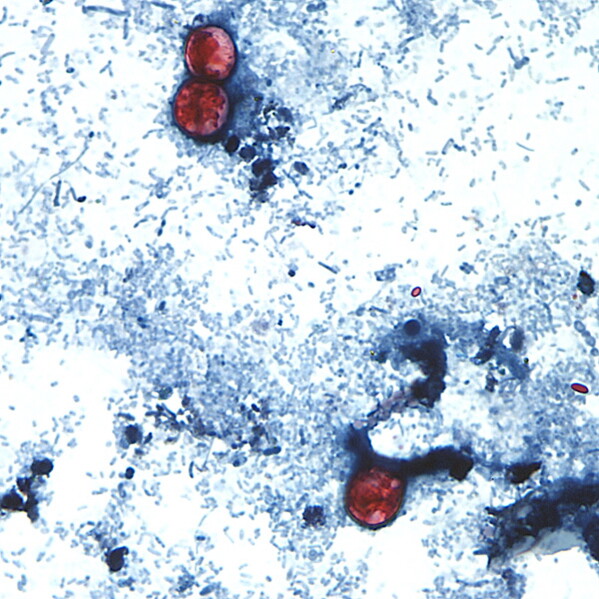
Cyclospora is a parasite transmitted through produce contaminated with human feces, often due to irrigation or washing with polluted water. Ingesting it causes severe gastrointestinal issues. The CDC reported that in 2026, at least 1,645 U.S. cases and 141 hospitalizations were confirmed.
Health officials continue to see new related cases, emphasizing the need for action to prevent contaminated products from reaching consumers, according to FDA’s acting commissioner, Kyle Diamantas.
The outbreak’s impact on restaurants is evident. Data from Placer.ai showed significant decreases in foot traffic to dining chains like Taco Bell, which faced an 18.9% decline. Other chains, including Chopt, Chipotle, Panera Bread, and Cava, also experienced reductions in customer visits.
Pinpointing biological links between recalled produce and foodborne illnesses remains challenging. Detecting cyclospora requires specific tests not tailored for standard food safety checks. Investigators rely on meal history, case proximity, and timing for conclusions.
Anne D’Innocenzio from AP Business contributed additional insights. The Associated Press Health and Science Department operates independently of its supporting funders.