
The act of holding someone in contempt of Congress arises typically when an individual refuses to testify or provide necessary documents requested by lawmakers. This often includes situations where a person ignores a subpoena from either the House or Senate committees.
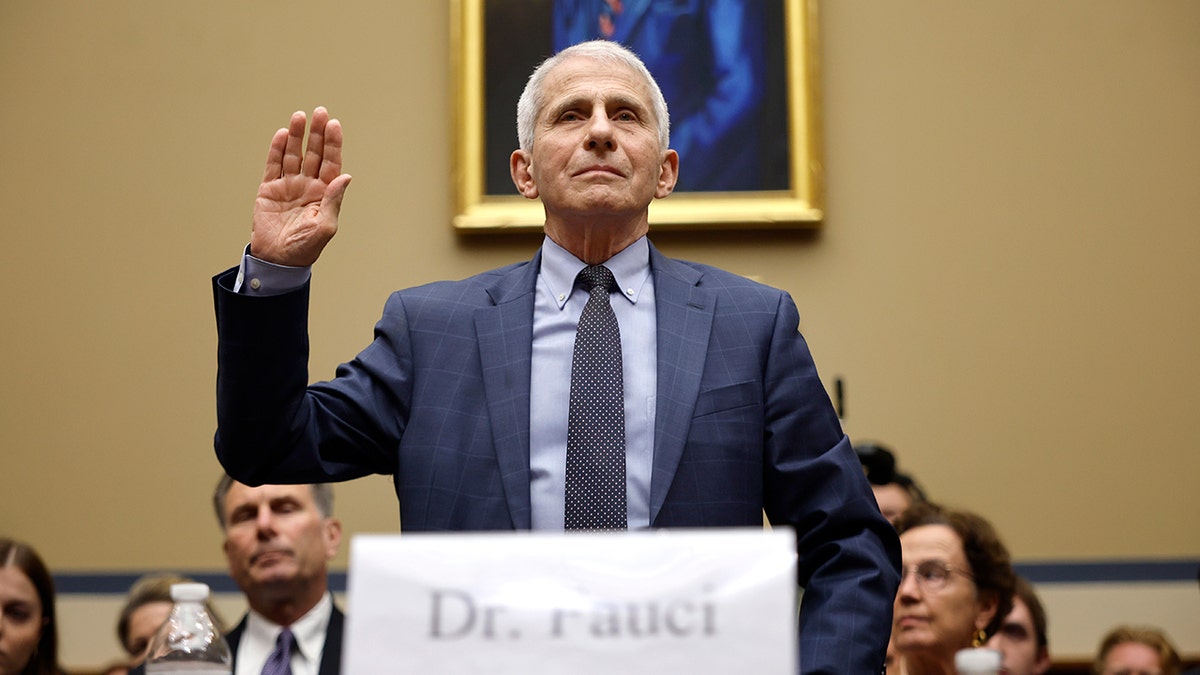
Recently, the Senate Homeland Security and Governmental Affairs Committee voted to hold Dr. Anthony Fauci in contempt of Congress. This decision was a result of Fauci’s refusal to answer questions during a hearing, despite being issued a subpoena aimed at compelling his testimony. Republican senators argue that a prior pardon from then-President Joe Biden required Fauci to respond to their inquiries, though Fauci instead invoked his Fifth Amendment rights.
“On the advice of counsel, I respectfully decline to answer based upon my rights under the Fifth Amendment of the Constitution,” stated Fauci.
He repeated this response 111 times during the hearing, demonstrating steadfast adherence to his legal rights.
Democrats criticize this situation, suggesting it represents a Republican tactic. They argue that the intention was for Fauci to make a misstep, which could potentially lead to criminal charges filed by a ‘weaponized’ Department of Justice.
As a result, the Senate panel acted by voting 8-5 along party lines to hold Fauci in contempt. Senator Rick Scott expressed his support for this action, asserting that if anyone deserved such a designation, it would be Fauci.
For Senator Gary Peters, the ranking Democrat, this move risks creating a precedent that could weaken future Congressional oversight capabilities. Criminal contempt, as he emphasizes, does not compel compliance from a witness. Instead, he warns it might facilitate resistance against legitimate inquiries.
Rand Paul, Chair of the Senate Homeland Security Committee, shows no sign of reconsidering his stance. He indicating plans to deliver the matter directly to the Attorney General and the district court.
Fauci’s attorney, David Schertler, accused Senator Paul of weaponizing the Justice Department, while Democrats claim exclusion from inquiries and witness interviews led by Republicans.
Republicans counter that Democrats ignored opportunities to engage with their findings, highlighting that documents were shared online without the Democrats showing interest.
There are two significant developments since Fauci’s testimony. The first involves Jeannine Pirro, U.S. Attorney for the District of Columbia, dropping a prosecution against David Hearn, invoking speculation about how this might impact a potential prosecution of Fauci.
The ultimate decision regarding Fauci’s prosecution rests with Attorney General Todd Blanche. For some Republican senators, concerns about legal actions against political rivals remain a pressing issue. Senator Bill Cassidy expressed this apprehension, though he ultimately decided to support Blanche’s nomination.
Democrats will argue that prosecuting Fauci would be illustrative of the alleged weaponization of the Justice Department. This situation could serve as a defining test for the new Attorney General.