
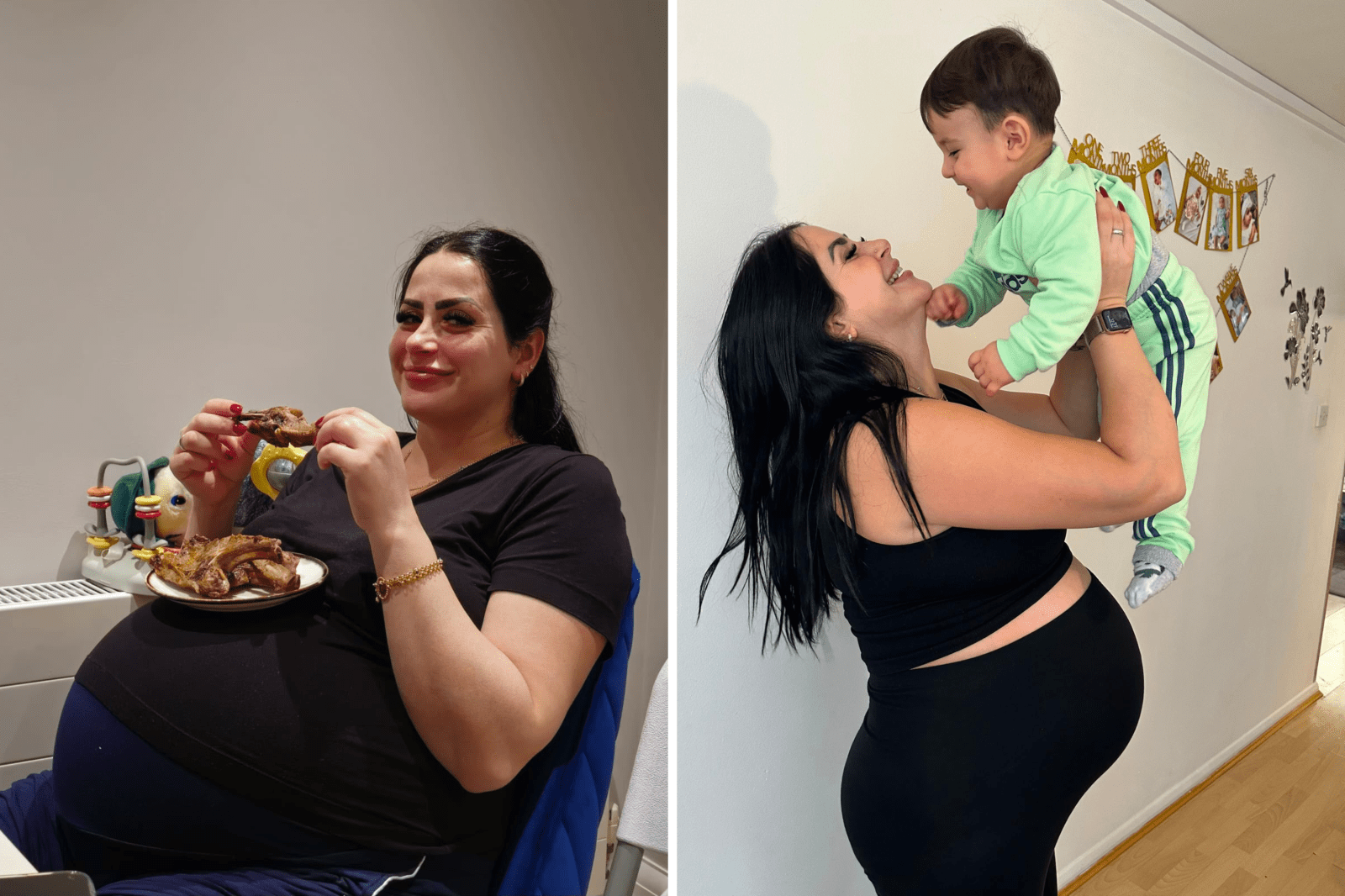
Being the first in my family to be pregnant with twins felt like a miracle. However, at five months pregnant, I experienced a sudden, sharp pain in my chest. It left me breathless, sweating, and shaking. I dismissed it as one of the aspects of pregnancy, especially since the doctors suggested the twins might be pressing on my organs.
The pain, initially occurring monthly, increased in frequency and started happening daily. I expected relief after giving birth to my twins, who are now 18 months old, but the pain persisted. It impacted my day-to-day life. I felt anxious leaving the house with my two-year-old and twins, fearing an episode. During the attacks, I couldn’t hold my babies. The pain left me crying, sometimes desperate enough to punch my chest for relief.
I contacted my doctor two months post-delivery, unable to endure the symptoms any longer. They immediately referred me to a gastroenterology team, leading to the discovery of gallstones. But the pain would strike unexpectedly, even awakening me at night, making me think of a heart attack. Balancing motherhood with these episodes left me exhausted.
After a year of waiting for gallbladder surgery, further testing was ordered, including an MRI of my liver. A PET-MRI scan followed in April, which sparked panic after learning its connections to cancer diagnosis. Uncertainty loomed with no direct communication from doctors, deepening my fears. Two weeks later, a DOTATATE PET scan was recommended to assess for neuroendocrine tumors.
Overwhelmed with worry, my eldest noted my ‘sore belly’, adding to my emotional distress. I kept most of my family uninformed. A consultant eventually confirmed I had pancreatic neuroendocrine tumors (pNETs). This diagnosis shattered me, given the complexities of my new reality and concerns for my children’s futures.
Surgery was advised to remove my spleen, half of my pancreas, and my gallbladder. The tumor, originally 1.7 centimeters, had grown to 2.5 centimeters by the time of removal. Post-surgery complications included a severe illness due to increased infection risks after spleen removal, leading to hospitalization with enhanced care.
Pathology results revealed cancer’s spread to blood vessels and lymph nodes, necessitating lifelong monitoring due to potential recurrence, particularly in my remaining pancreas or liver. I’m scheduled for a PET scan in September, assessing cancer progression and future chemotherapy needs.
The initial monitoring is set every three months, then six, eventually moving to annual checks. The emotional impact has been significant. However, post-surgery, the pain that haunted me has vanished. Reflections on luck and gratitude emerged, pondering if ignored symptoms would have led to a different outcome.
The diagnosis has been a stark reminder of life’s fragility, urging a deeper appreciation for daily existence and the importance of seeking medical advice for unusual symptoms. Life has become a precious gift, and plans are now made with greater deliberation, acknowledging the uncertainty of tomorrow.
Sultan Altun, aged 33, was a compliance manager in the healthcare sector, living in London. For article inquiries, contact Newsweek editors Sirena Bergman and Emma Lee-Sang.