
Power Ballad introduces us to Rick Power, portrayed by Paul Rudd, a devoted husband and father whose early aspirations in music led him to Ireland. Despite his past in a pop band and a record deal, Rick found a stable life in Ireland, marrying, having a daughter, and working as a musician with a well-regarded wedding band. Although he may not fully acknowledge his success, his performances bring joy to many, indicating a triumph in his chosen field.
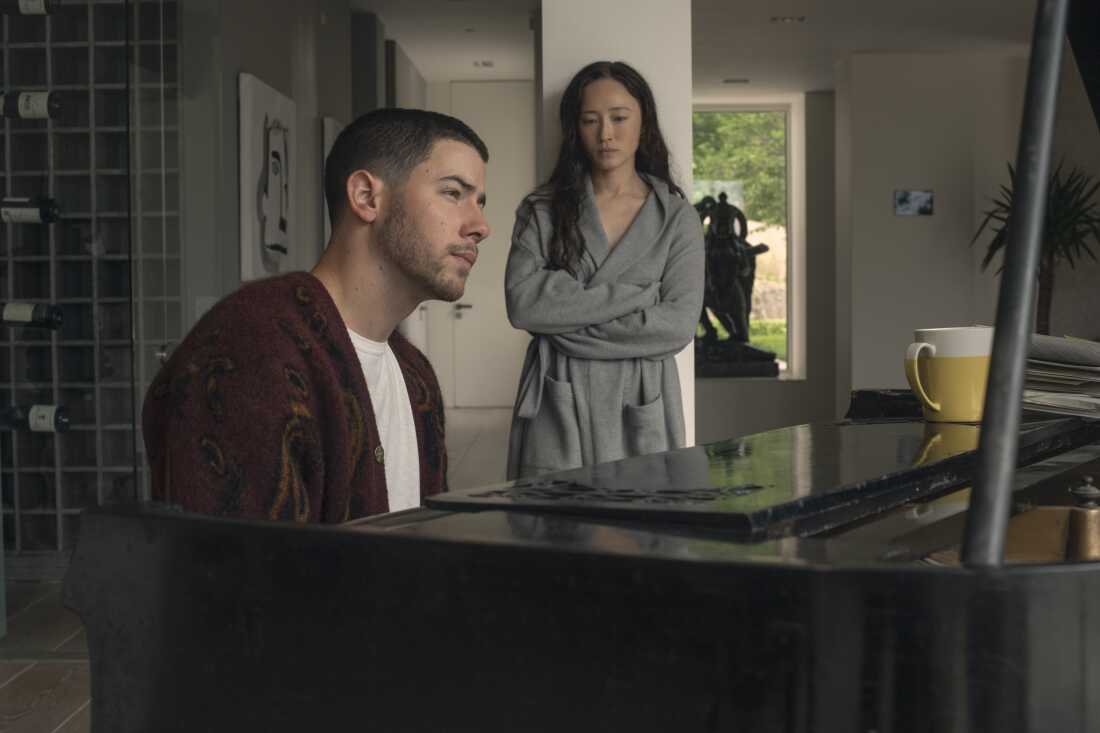
Nick Jonas plays Danny Wilson, a former boy band member trying to establish a solo career. A chance encounter at a wedding sees Rick and Danny bonding over shared musical interests. They spend time playing music and discussing songwriting. Rick shares an unfinished ballad titled “How To Write A Song Without You,” which Danny later completes and releases as his own, claiming sole ownership.
The film delves into issues of credit and recognition. Director John Carney emphasizes not the monetary aspect but the value of genuine artistic contribution. Rick’s decades in music have left him without tangible recognition, apart from this song that Danny appropriates. While Danny contributes by writing the bridge, he fails to acknowledge Rick’s primary role in crafting the song.
The narrative presents Danny not as a villain but as a coward facing external pressures. His management, represented by Jack Reynor, further complicates the situation. The film illustrates the emptiness of artistic shortcuts. Although Danny achieves commercial success with the song, performing it lacks sincerity—a consequence of denying its true origins.
Power Ballad resonates with broader themes about art and creativity. It argues that true satisfaction in songwriting is linked to authenticity. Danny’s experience suggests that success derived from authentic creation is more gratifying than fame built on deceit.
The film concludes with a poignant yet hopeful message: honesty in art, as in life, is crucial. Genuine achievements bring real happiness, surpassing the hollow rewards of unearned fame. Power Ballad ultimately affirms the value of integrity, illustrating that authentic one-hit wonders find joy in their honesty.
This review was originally published in NPR’s Pop Culture Happy Hour newsletter. For more insights and recommendations, subscribe to the newsletter and listen to the Pop Culture Happy Hour on Apple Podcasts and Spotify.