
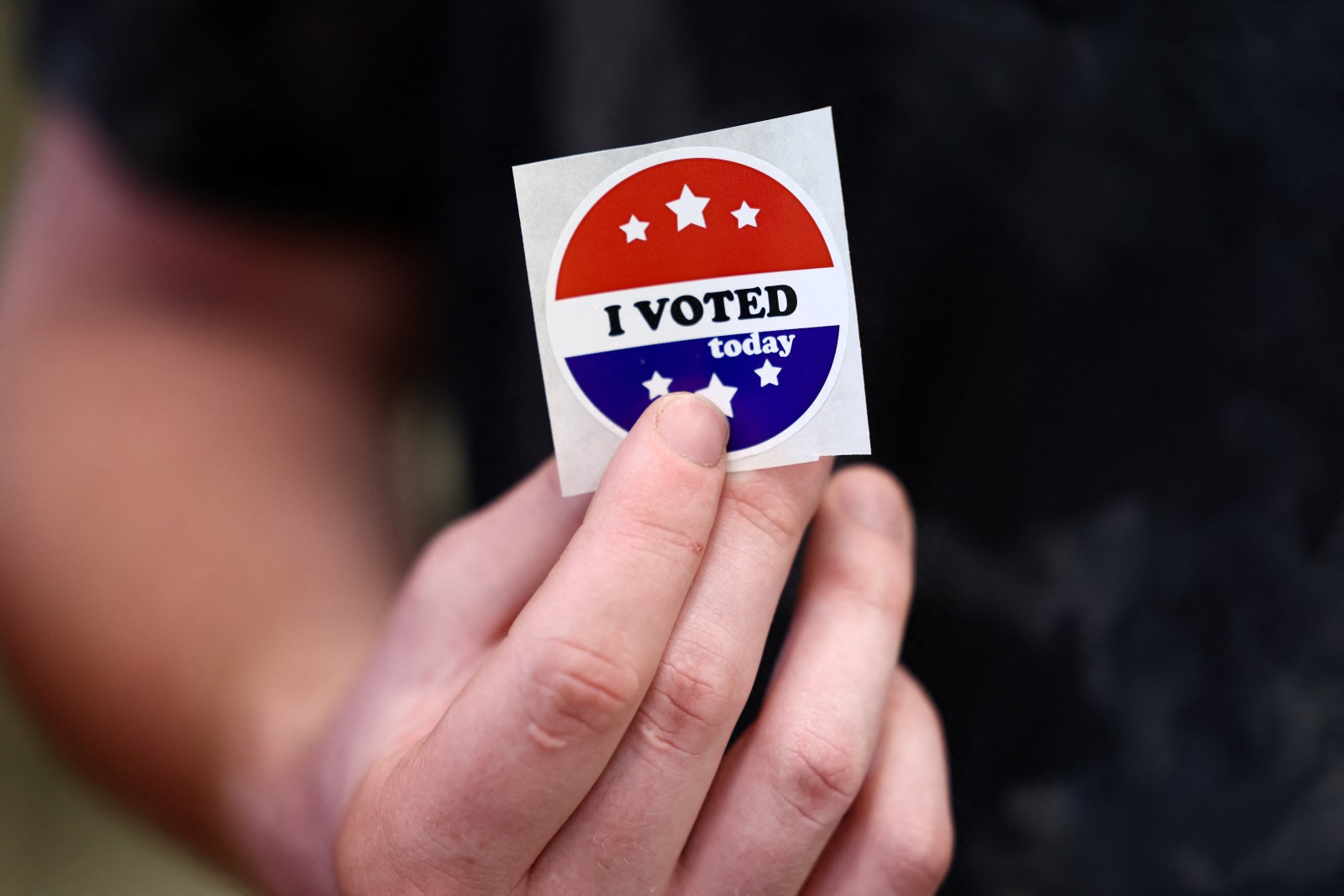
As the nation prepares for the November 3 midterm elections, political campaign staffers are getting ready for a mix of celebration and disappointment. Champagne bottles are being stocked with optimism, while tissue boxes are at hand as a precaution. For candidates, success will bring toasts with supporters; failure will bring tears of regret. However, nonpartisan organizations focused on building a more representative electorate have different priorities. Their concern is whether Americans will turn out in large numbers to vote. Will we set new voter turnout records? How many eligible voters will remain uncontacted and ignored?
Unfortunately, many communities across the country are consistently overlooked by political campaigns. In these areas, often referred to as civic deserts, there is little engagement from campaigns. These places may lack a history of voting, or be home to people who face barriers to participation. With the advancement of sophisticated voter data, campaigns have adopted microtargeting strategies. They focus their efforts and resources on likely voters who may support their candidate.
As campaigns wrap up their efforts in these neglected neighborhoods, they take with them analyses that lead to further exclusion in future elections. Communities without a strong voting history, often low-income, are repeatedly ignored. This results in a cycle where non-participation leads to continued neglect. It’s essential to examine this cycle before making judgments about voter turnout on Election Day. Nonprofits focused on nonpartisan voter engagement can break this cycle by connecting with overlooked communities.
Looking at historical election data, we can identify several barriers that persist. Voter contact is a major driver of turnout, but it is not the only factor. Organizations reaching out to those with low voting history can help address related challenges. These include structural barriers, obtaining necessary IDs, overcoming language obstacles, and more.
An analysis by Rutgers University provides insight into challenges faced by Americans with disabilities. Among those who did not vote in 2024, 15.6% reported lacking assistance. Those who managed to vote encountered difficulties at nearly twice the rate of voters without disabilities. Rutgers estimated 40.2 million Americans with disabilities were eligible to vote in 2024, representing one in six eligible voters.
For people at risk of losing pay due to work conflicts, missing an election becomes a substantial concern. This absence of participation can reduce the likelihood of receiving outreach in the future. Nonprofits can intervene by informing these individuals of early voting and mail ballot options, aiding them in finding convenient ways to vote.
Young people, particularly nonvoters aged 18 to 34, are another demographic often missed by campaigns. After the 2024 election, 59% of them reported no contact from organizations or campaigns. Despite the potential benefits of first-time voter assistance, they are not prioritized by campaigns focusing on consistent voters.
Campaigns face constraints in time and resources, aiming to win elections by engaging past participants. Prior experience becomes a key factor in outreach decisions. Missing one election diminishes the chances of hearing from campaigns subsequently. Yet, missing that election gives limited insight into voter sentiment regarding community and national direction.
There is a wide network of community organizations capable of addressing these barriers. Unlike campaigns, nonprofits continuously work in communities without political presence and continue beyond election results.
This capacity merits ongoing attention and investment, especially considering future elections in 2027 and 2028. Voter education and assistance should not hinge solely on campaign agendas which quickly dissipate after elections.
Post-election analysis will focus on candidate success, message effectiveness, and voter turnout. Empty Champagne bottles and used tissues will mark the end of campaign activities, while offices close. But the overlooked communities will persist. Before using this year’s turnout data to decide future voter outreach, we must ask how many eligible Americans were excluded long before Election Day. More importantly, how can we ensure inclusion next time?
Brian Miller is executive director of Nonprofit VOTE and co-author of Help Your Community Vote (Berrett-Koehler Publishers, 2027). The views expressed in this article are the writer’s own.