
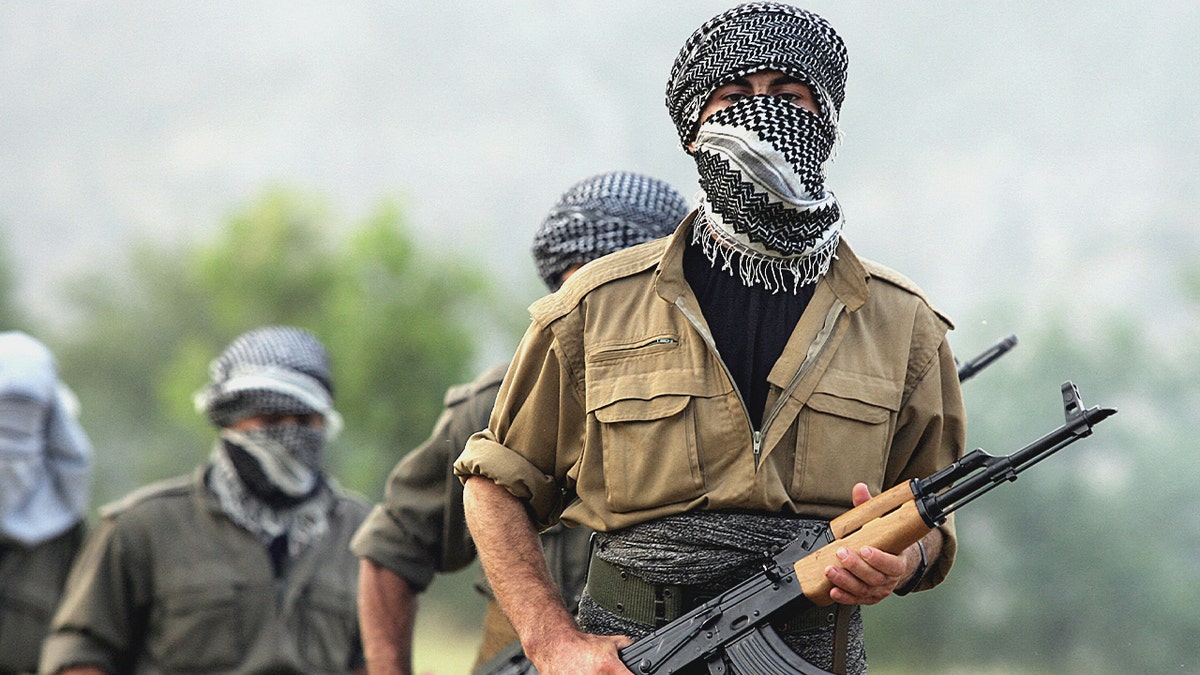
Iran’s Islamic Revolutionary Guard Corps faces renewed violence in its Kurdish-majority west. Experts point out a potential shift in the Kurdish insurgency, coinciding with ongoing fragile talks between Iran and Washington.
Kurdish Opposition and Regional Implications
The unrest is significant beyond Iran’s borders. Kurdish groups have been seen as leverage against Iran during the U.S.-Israeli conflict with Iran. Some Kurdish voices fear potential exposure as diplomatic talks resume between Washington and Tehran.
Recent reports highlight attacks across western and northwestern Iran. According to The Jerusalem Post, referencing Iraq’s Shafaq News, four Iranian security personnel died and others got injured in two separate armed incidents.
“Kurdish separatists attempted Iran crossing from Iraq amid protests,” said a report by Mustafa Ozer via Getty Images.
Violent Clashes and Group Involvement
Two Revolutionary Guard members died, and two were wounded in an “armed terrorist attack” in Paveh, as reported by Tasnim News. Another attack in Baneh involved gunmen, resulting in the death of two police officers and injuring three, including a child. The Jerusalem Post cited Kurdish-focused media reporting clashes spreading to Paveh, Marivan, and Mahabad.
The attack in Paveh was claimed by Xore Heva, who attributed it to retaliation for crackdowns following Mahsa Amini’s 2022 death at the hands of Iran’s morality police.
Kurdish Discontent and Iranian Responses
The Kurds are a major stateless ethnic group in the Middle East, living in regions across Iran, Iraq, Syria, and Turkey. In Iran, many reside in the mountainous west and northwest, often accusing Iran of repression and violence.
Iran categorizes armed Kurdish groups as separatist threats. The tension extends beyond ethnicity to political issues, tied to Kurdish autonomy demands versus Iran’s separatist fears.
Jino Victoria Doabi from Hiwa, a Kurdish-led human rights organization, mentioned that the clashes appear to indicate an escalation. She highlighted deeper Kurdish anger over systemic targeting by Iran and lack of international reaction.
Diplomatic Dynamics and Kurdish Skepticism
The violence comes as Iran moves forward with a memorandum with Washington, criticized by Iranian opposition. President Masoud Pezeshkian confirmed the Supreme Leader’s approval of the deal, despite internal critiques.
Kurdish parties remain skeptical of any U.S.–Iran deals, believing they bolster Iran’s regime. Doabi expressed concerns over increased danger in regions of resistance, notably Kurdistan, Azerbaijan, and Baluchistan.
Regional and Military Developments
The Party for a Free Life in Kurdistan (PJAK) and its armed wing have accused the Revolutionary Guard of attacks prompting defensive actions. This sensitivity reflects prior reports of potential Kurdish movements against Iran during the U.S.–Israeli conflict.
Israel allegedly backed Kurdish plans to seize Iranian border areas, dependent on U.S. and Israeli support. Kurdish frustrations arose over lacking clear strategic backing amid Iran’s threats.
Reports suggested Turkish President Recep Tayyip Erdogan influenced Trump against arming opposition factions after leaks revealed plans to aid Iranian opposition.
Concluding Observations
The recent violence doesn’t confirm a coordinated insurgency but suggests potential tensions in Iran’s borderlands amid ongoing diplomatic efforts.