
The United States has launched a series of military strikes against Iranian sites, prompting retaliatory attacks from Iran. This escalation threatens the fragile truce between Washington and Tehran, causing regional tensions to rise.
Retired U.S. Vice Admiral Robert Murrett spoke to Newsweek, confirming that the situation represents a significant escalation. “This is a clear turning point,” he said. U.S. Central Command reported targeting Iranian coastal defense systems, missile and drone sites, and maritime capabilities. Tehran disclosed these strikes but did not provide specifics on the damage.
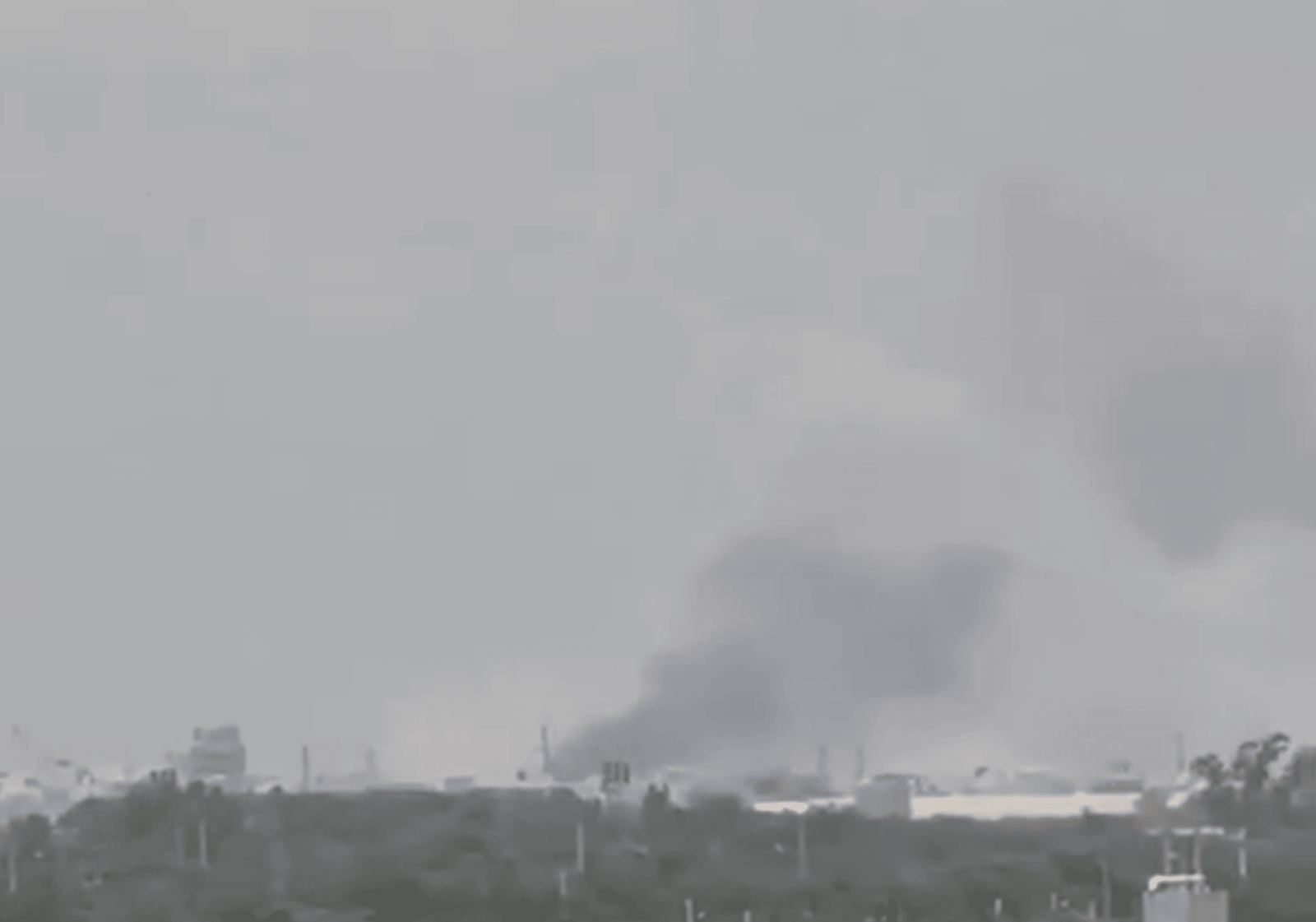
The Strait of Hormuz has become a renewed flashpoint. These Iranian locations may provoke further conflicts. Social media footage depicted explosions in Bushehr, Iran, on July 14, 2026. Additional explosions took place in Bandar Abbas, increasing tensions as Iran threatened reprisals against American military sites in the region, including in Bahrain, Jordan, Kuwait, and Oman.
Iran’s Islamic Revolutionary Guard Corps (IRGC) stated they had specifically targeted Bahrain, Jordan, and tankers passing through the strait, a crucial route for a fifth of global oil and gas. Murrett commented on this strategy, noting Iran’s careful selection of targets where they believe U.S. casualties are unlikely.
The UAE announced that two ships linked to it, Mombasa and Al Bahiyah, were attacked, resulting in one death and eight injuries. The UAE defense ministry indicated possible retaliation. Newsweek sought comments from both the UAE defense ministry and the Pentagon.
Bahrain’s Ministry of Interior issued alerts, urging residents to seek shelter following IRGC threats against several sites, including U.S. military facilities. Jordan reported intercepting four missiles from Iran, according to The Associated Press.
The June 17 memorandum aimed at reopening the Strait of Hormuz has effectively disintegrated amid these hostilities. Iranian lawmakers are calling for the termination of the memorandum, with Iran seeking revenge over the deaths of former leader Ali Khamenei and other officials. A special committee may be formed to evaluate U.S. negotiations under new Supreme Leader Mojtaba Khamenei.
President Trump has declared the reinstatement of a blockade on Iranian ports, which U.S. Central Command said would commence at 4pm ET. He also declared plans to impose charges for safe passage through the Strait of Hormuz.
In parallel, Saudi Arabia reported that Iranian-backed Houthis attacked the Abha airport. This incident could draw Houthis into the escalating conflict. Murrett noted that Saudi Arabia has effectively contained tensions with Iran compared to other Gulf states, but the recent attacks could indicate an opportunity to resolve longstanding disputes.
The U.S. claims that its strikes aim to degrade Iranian military capabilities around the Strait of Hormuz, targeting air defense systems, control networks, radar sites, and anti-ship missile infrastructure. Trump warned of further U.S. actions, potentially targeting vital sites like desalination plants and Kharg Island, Iran’s main oil export hub. This stance raises legal concerns; targeting civilian infrastructure, such as drinking water facilities, contravenes international law under the Geneva Conventions.