
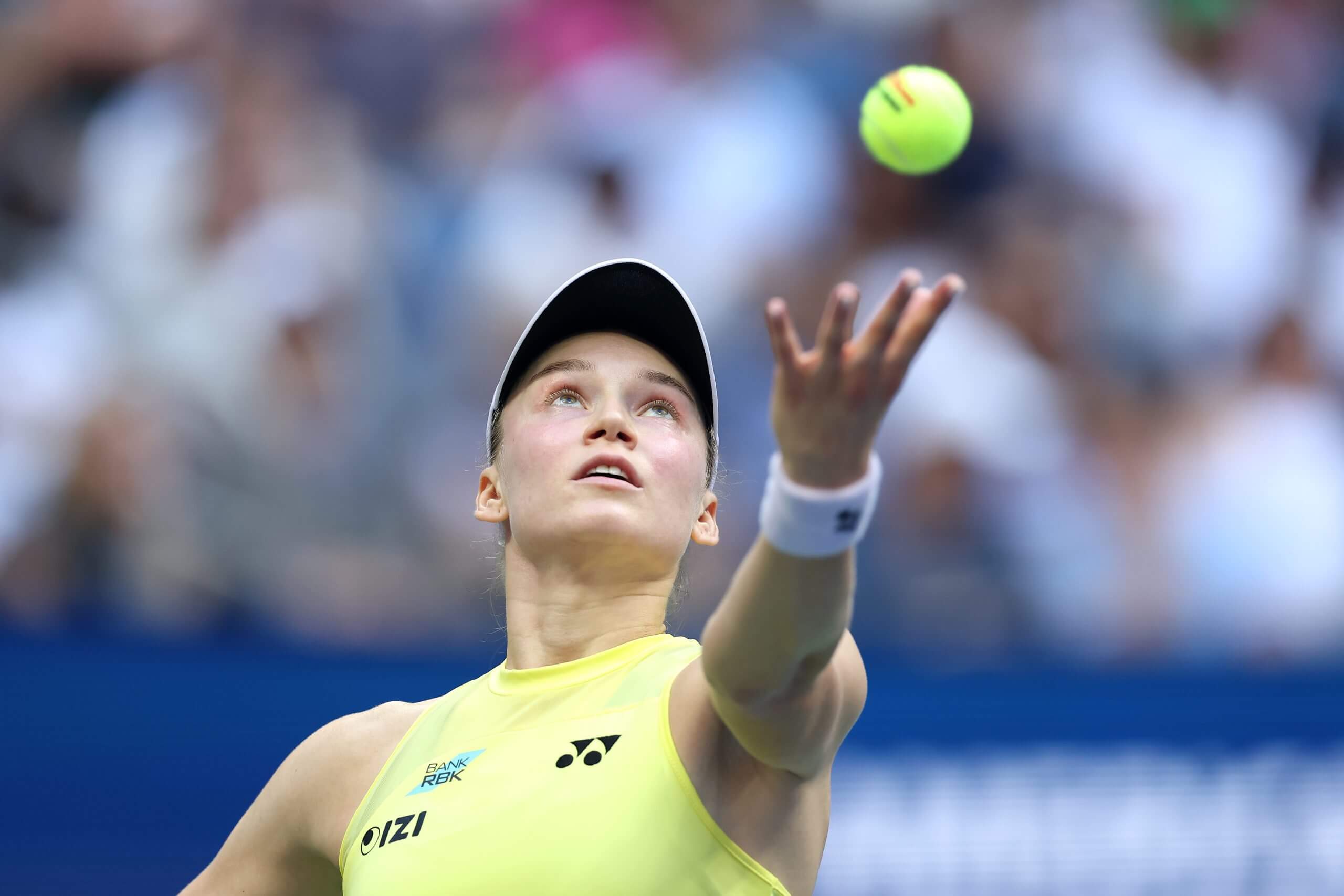
NEW YORK — Elena Rybakina from Kazakhstan emerged as the 2026 U.S. Open champion by defeating Aryna Sabalenka 6-4, 5-7, 6-2. This victory marks Rybakina’s second Grand Slam win this year, denying Sabalenka a third consecutive title at the tournament.
Rybakina, seeded second, demonstrated resilience against the top seed Sabalenka. Her ability to protect her serve and keep Sabalenka from exploiting angles stood out. This triumph granted Rybakina her first U.S. Open title and elevated her to the top rank in women’s tennis, surpassing Sabalenka.
Dominance Beyond Sabalenka’s First Serve
Aryna Sabalenka advanced from the semifinals largely by dismantling Jessica Pegula’s second serve. Typically thriving on opponents’ weaker serves, Sabalenka anticipated benefits as Rybakina struggled in the first set, landing a mere 27 percent of first serves.
“Sabalenka believed Rybakina’s first serve inconsistency would favor her game.”
Yet, Rybakina succeeded by altering her approach, utilizing a formidable kick on her second serve and maintaining a high pace. This kept Sabalenka from capitalizing on the expected advantage.
Sabalenka’s Missed Opportunities
In the first set’s final game, Sabalenka’s aggressive strategy achieved limited success against Rybakina’s second serves. Multiple attempts resulted in missed returns or ineffective shots.
Despite Sabalenka’s efforts, Rybakina claimed the set by winning crucial rallies and maintaining pressure through strategic ball placement.
Sabalenka’s Battle for Crowd Support
The New York crowd embraced Sabalenka, a stunning change after years of contention. Her quest for a historic third consecutive win garnered enthusiastic support from the audience in Arthur Ashe Stadium.
Although Rybakina is less renowned to New York’s major final attendees, Sabalenka’s presence captivated the crowd. Their encouragement fueled Sabalenka’s attempts to prolong the match.
Sabalenka’s Resurgence in Set Two
Sabalenka managed a comeback in the second set utilizing perseverance and strategic variation. Her ability to deploy a well-timed drop shot was pivotal in capturing crucial points.
This adaptability allowed Sabalenka to claim the set despite previous difficulties, enhancing her performance with steady returns and challenging rallies.
Rybakina’s Tactical Advantage
Rybakina’s approach effectively restricted Sabalenka’s control over the match. By driving balls centrally and maintaining pace, Rybakina denied Sabalenka the ability to redirect play or advance.
This successful game plan mirrored previous victories against Sabalenka, cementing Rybakina’s status as world No. 1.
Post-Match Reflections
Rybakina acknowledged unexpected success and difficulties faced during past tournaments while praising Sabalenka’s challenging play. Her newfound affection for New York extended beyond tennis accolades.
Sabalenka expressed disappointment in her performance but vowed to return and achieve future victories at the U.S. Open, maintaining optimistic resolve.