
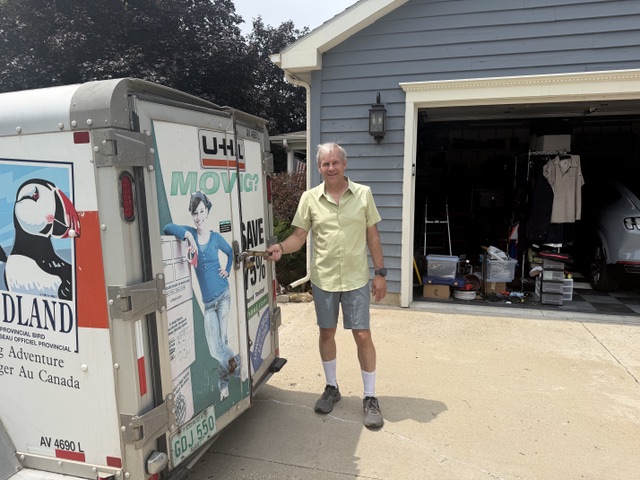
A former Ford worker, Kurt Kromm, 60, from Kenosha, Wisconsin, has filed a lawsuit accusing Ford and Aramark of wrongful dismissal and defamation. Kromm claims that a faulty AI system wrongly branded him as a thief, despite records showing he had paid for the item.
The incident occurred at Ford’s Kentucky Truck Plant in Louisville. On May 9, Kromm bought a $1.95 package of cookies from a self-checkout pantry while working an overnight shift. Even though his bank records showed the transaction was completed, the AI system flagged it as a theft.
Kromm, an electrician at the plant for 11 years, encountered issues when the checkout screen indicated a payment failure. However, his Chase bank records proved a successful transaction at 3:38 a.m. Despite this evidence, Ford terminated Kromm, claiming he had stolen the cookies.
The lawsuit, filed in the US District Court for the Western District of Kentucky, seeks over $75,000 in compensatory damages, plus punitive damages. Kromm alleges that both Ford and Aramark disregarded verifiable payment records and relied solely on the automated system’s alert.
“[Kromm] did not have any charges which aligned with this charge. [He] will be Discharged for Theft effective 5/16/26,” stated Ford’s disciplinary report.
The complaint further details that Ford purportedly fired five other employees from the Kentucky plant under a zero-tolerance policy for supposed kiosk thefts. A similar case reported by the Detroit Free Press involved another worker, Nick Nabozny, who was dismissed from Ford’s Michigan Assembly Plant after issues with another Aramark kiosk.
Although Kromm presented bank statements and notarized documents to prove his innocence, Ford initially dismissed his evidence. The attorney for Kromm asserts that Aramark and Ford knew the kiosks were prone to errors and yet took no action to prevent these mistakes.
After several weeks, the Kentucky Office of Unemployment Insurance determined Kromm’s dismissal was not due to misconduct. Aramark later admitted their payment system recorded the transaction, leading Ford to reverse Kromm’s dismissal and offer reinstatement with full back pay. However, Kromm declined to return.
The lawsuit claims that despite the reversal, Ford and Aramark did not adequately address the defamation among Kromm’s peers. Kromm, now employed elsewhere in Wisconsin, asserts the theft accusation continues to impact his reputation.
In response to the allegations, both companies are yet to issue a formal retraction as requested by Kromm’s attorney. The lawsuit highlights broader concerns about AI surveillance technology errors, drawing parallels to cases involving AI-powered surveillance like the Flock cameras, which have led to wrongful arrests.