
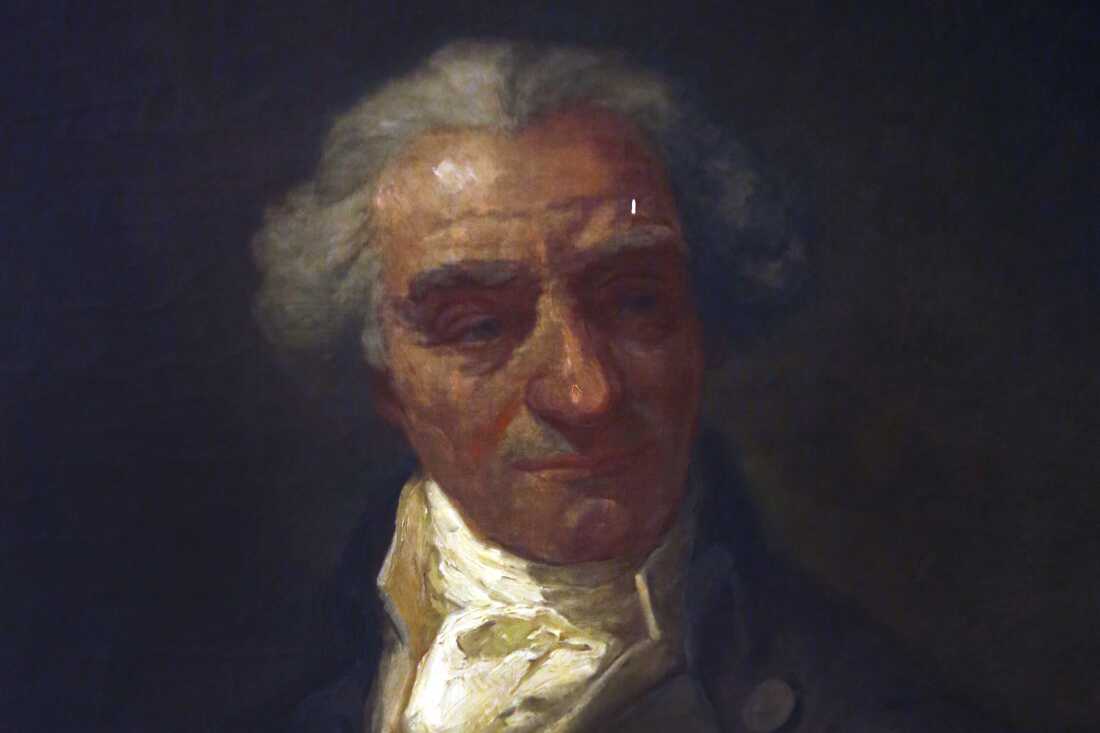
A portrait of Governor Elbridge Gerry hangs in Boston’s State House. In 1812, Gerry initiated a redistricting plan that protected his political allies. This effort introduced the word “gerrymander.”
Most know Samuel Adams and John Hancock for signing the Declaration of Independence and the Articles of Confederation. Yet, Elbridge Gerry, another key figure, also deserves recognition. While Gerry supported American independence, he is less notable compared to his contemporaries.
Gerry refused to sign the Constitution. He opposed the document due to its lack of a Bill of Rights at the time, which protected fundamental freedoms. Ultimately, he became President James Madison’s second vice president but died less than two years into his term.
Historian David O. Stewart describes Gerry as influential, especially during the Revolutionary War. Despite his stature and speech challenges, Gerry’s fervor was recognized by figures like John Adams. However, unlike others, he lacks fame like a signature referenced for autographs.
Gerry’s legacy persists through “gerrymandering,” the manipulation of electoral districts for political gain. The term remains relevant as districting battles continue nationwide.
The Birth of Gerrymandering
In 1812, as Massachusetts governor, Gerry signed a redistricting bill favoring his Democratic-Republican Party. A newspaper caricatured a district’s shape as a monster, leading to the term “Gerry-mander,” combining “Gerry” and “salamander.”
Such district manipulation wasn’t new and continues today with oddly shaped districts, a fact of American electoral politics.
Understanding Gerrymandering’s Legacy
“Gerrymander” is an eponym, a word derived from someone’s name. Other examples include “boycott,” “shrapnel,” and the verb “MacGyver,” linked to resourcefulness from a show character.
As time passes, connections to origin stories fade; Gerry’s “gerrymandering” might become as obscure as the namesake for “MacGyvering.” Even the pronunciation obscures Gerry’s contribution’s historical context, with some associating “gerry” with more modern figures.
Although Gerry’s actions linked to America’s founding are mostly forgotten, his name remains part of the political lexicon, albeit linked to controversy. As historian Stewart notes, lasting legacy, irrespective of form, holds its own significance.