
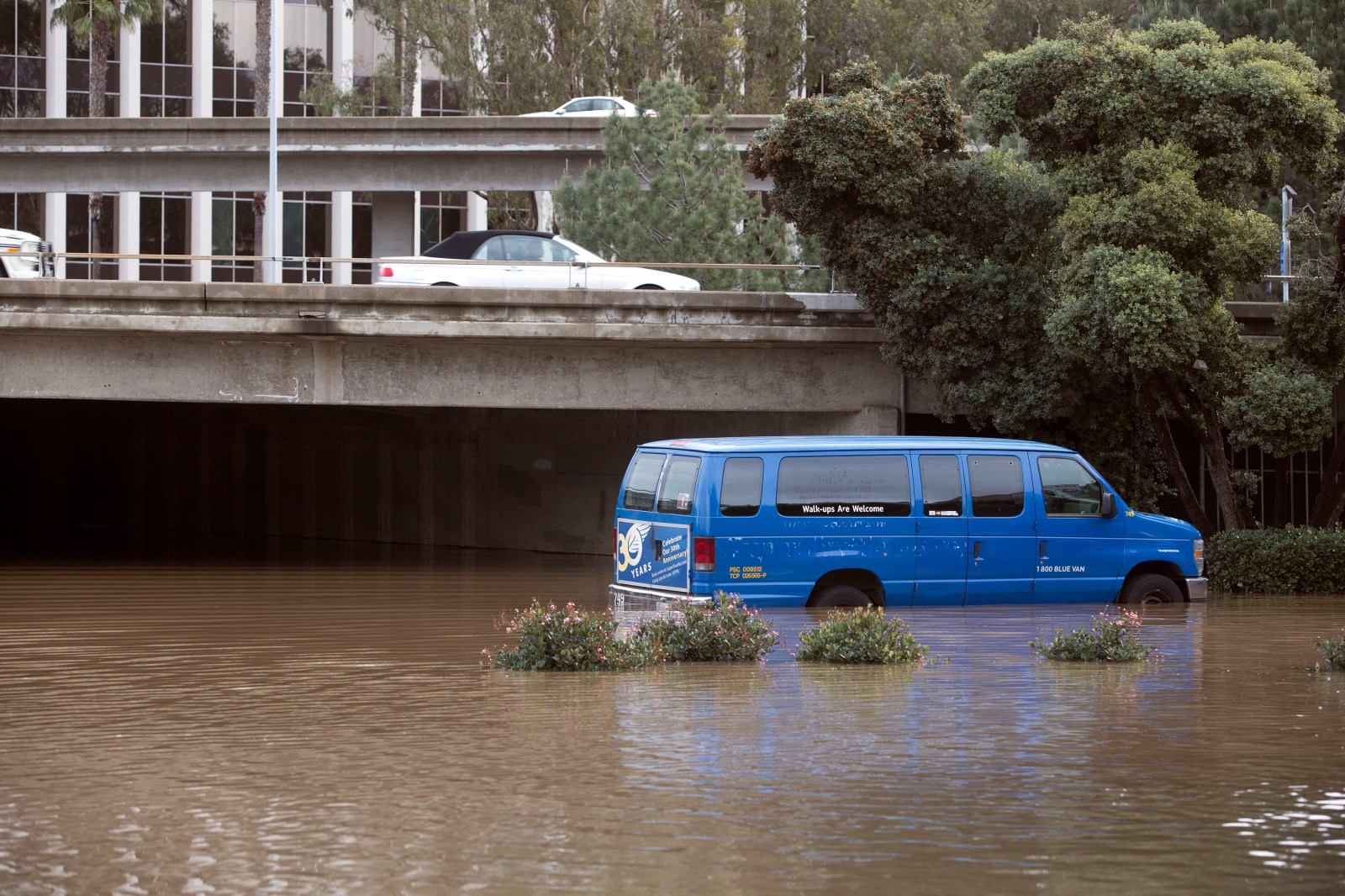
Meteorologists are warning that a potentially historic El Niño event could significantly increase the risk of flooding in various U.S. regions in the coming months. Experts have highlighted California and the southern U.S. as areas of particular concern, with the threat expected to peak during the winter months.
Understanding El Niño
El Niño is a recurring climate pattern that results in warmer Pacific Ocean waters and influences global temperatures and rainfall. This ongoing El Niño event has already set records and may further strengthen, potentially reaching historical levels between October and December.
At-Risk States
Heather Zons, a meteorologist with The Weather Channel, explained to Newsweek that El Niño enhances the subtropical jet stream, leading to higher-than-average rainfall from Southern California to Florida. Areas like the Southwest and South Florida could be particularly vulnerable from January through March.
Arizona and New Mexico face dangers due to their geography. Mountains and canyons can channel water quickly into communities, making them susceptible to flooding. Zons noted that rushing water could overwhelm dry washes and impact roads and neighborhoods significantly.
South Florida contends with a different issue. While its sandy soil typically manages rainfall well, increasing development reduces water drainage options, raising the threat of nuisance flooding.
Broader Impacts
Fox Weather meteorologists Ian Oliver and Greg Diamond echoed these concerns, indicating the possibility of more storm systems due to a strengthened southern jet stream. This condition might bring flooding and severe thunderstorms to the Southeast, with risks becoming more pronounced in the fall and peaking in winter.
Jane Minar, another Fox meteorologist, stated that regions like California and the Gulf Coast often experience heightened flood risks during an El Niño winter. January and February could see wetter patterns, increasing flood potential in Florida, the Carolinas, and California.
Additionally, Zons highlighted the Great Lakes and Ohio Valley as regions to monitor following heavy rainfall periods. She suggested that less intense El Niño conditions could lead to more winter precipitation as rain rather than snow.