
The proposal to raise the federal minimum wage to $25 per hour by 2031 has sparked warnings from economists about potential job losses. This plan targets large employers, with small businesses expected to meet this requirement by 2038. Additionally, the proposal intends to eliminate the federal tip credit, making the direct cash wage for tipped employees rise to $25 per hour.
Rebekah Paxton, research director at the Employment Policies Institute (EPI), expressed concerns about the impact of this policy, describing it as a “job killer.” The EPI projects a potential loss of over 5 million jobs nationwide if the proposal is implemented. States like Texas, Pennsylvania, Georgia, North Carolina, and Florida might experience significant job reductions due to their large workforce sizes and existing federal minimum-wage rate of $7.25.
Paxton explained that in states like Texas and Florida, where many workers are employed in industries sensitive to wage increases, the proposal means a more than threefold increase in minimum wage. This could result in increased business costs, some of which might be passed on through higher prices for goods and services, ultimately impacting employment levels.
The Southeast region, including states like Florida and North Carolina, has seen rapid population growth. U.S. Census data indicates these areas have been primary migration destinations post-COVID, contrasting with population declines in parts of Cook County, Illinois, and Los Angeles County.
The restaurant and hospitality sectors could be particularly affected, with a projected one-third concentration of job losses in these industries, affecting 1.2 million tipped workers. This arises as businesses might struggle to balance increased payroll expenses with operational demands.
Progressive activists continue to advocate for the $25-an-hour minimum wage as a remedy to the national affordability crisis impacting working families. The federal minimum of $7.25 has been in place since 2009, while costs for essentials have risen. Organizations like One Fair Wage, comprising over 100 advocacy groups and unions, argue that a wage increase is crucial to maintaining livable standards.
Saru Jayaraman, president of One Fair Wage, mentioned a broad range of political support for the proposal. She emphasized the importance of the policy for ensuring the basic welfare of families, highlighting its broader political appeal beyond traditional party lines.
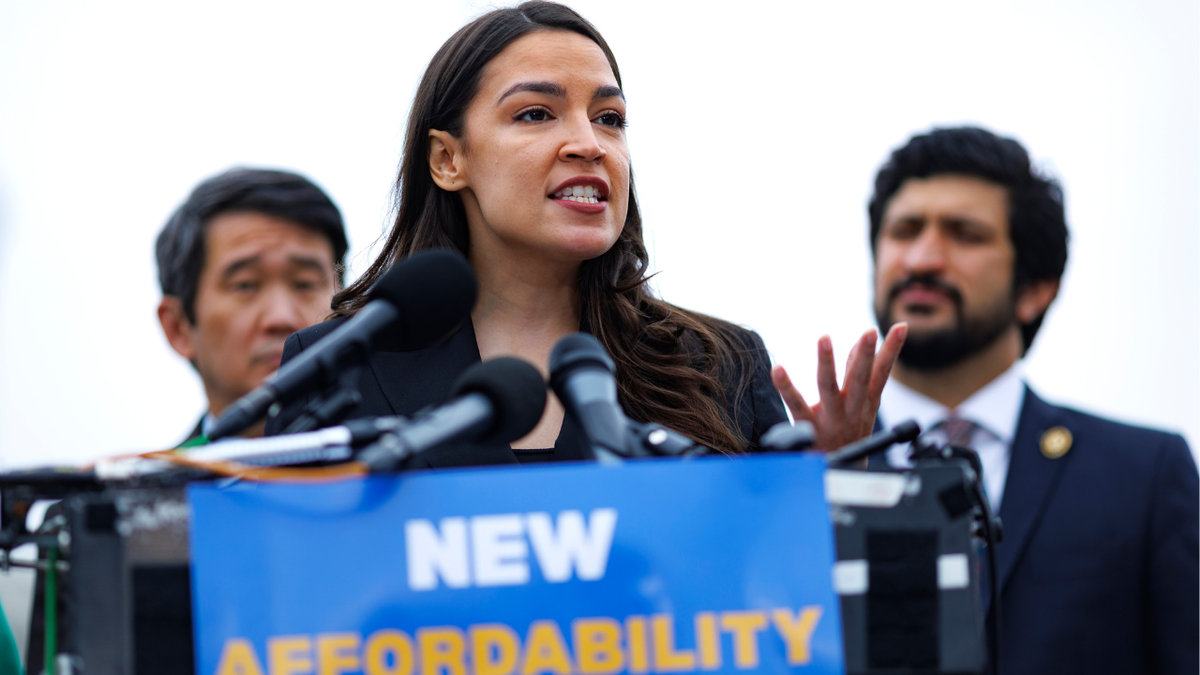
Backed by lawmakers like Rep. Alexandria Ocasio-Cortez and other progressive allies, the movement has proposed the Living Wage For All Act as a federal standard. Meanwhile, local initiatives in California and New York, such as “30 by ’30” drives, aim to push city minimum wages to $30 per hour by 2030.
Critics, including some economists, suggested that a $25 minimum wage could elevate prices and reduce entry-level hiring. They note that raising wages too quickly might impact inflation rates and employment dynamics.
One Fair Wage rebutted the Employment Policies Institute’s claims, asserting the nation’s affordability issues stem from stagnant wage growth amid rising living costs. Their spokesperson emphasized that ensuring all workers earn a living wage is crucial.
The Economic Policy Institute contradicts predictions of job losses, estimating that wage increases could boost earnings for nearly 40 million workers with minimal employment impact. Research from UC Berkeley and the Roosevelt Institute indicates phased wage hikes at this level could raise incomes with negligible effects on overall employment levels.