
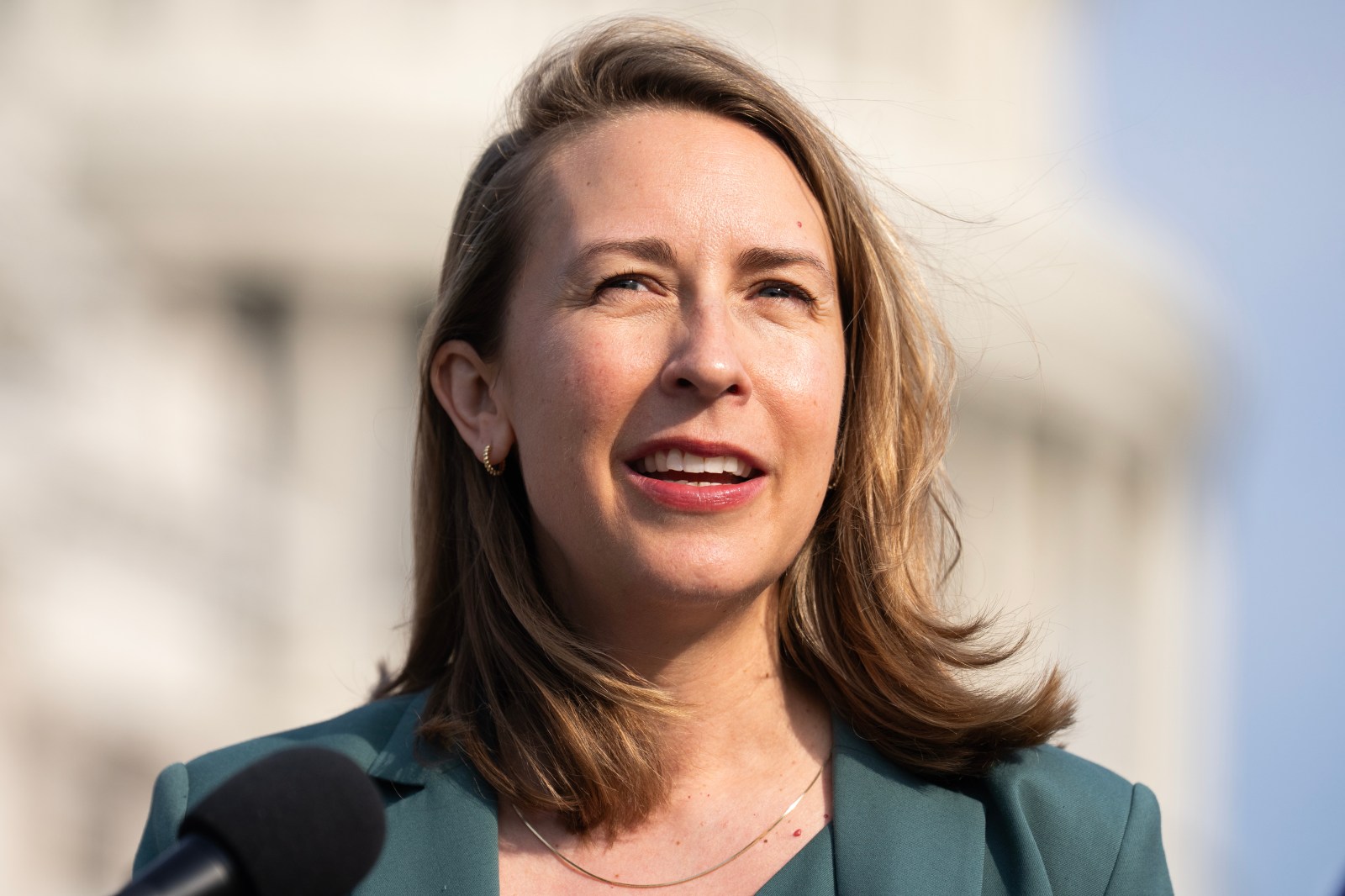
The Democratic Socialists of America (DSA) have denied any involvement in sending suspicious letters with white powder to various political offices nationwide. This denial comes after Democratic Representative Hillary Scholten of Michigan reported receiving a threatening letter at her office, claiming to be from the DSA. The letter allegedly warned of a looming ‘civil war’ after the midterm elections.
DSA spokesperson Priscilla Yeverino stated, “Needless to say, we are not involved with these letters, and we were glad to learn no one was harmed.” The organization strongly condemned threats and violence against political figures and confirmed its willingness to assist in the ongoing investigation into these letters.
The FBI, in coordination with the U.S. Postal Inspection Service, is examining numerous suspicious mailings sent across the country, targeting addresses like secretary of state offices and related election offices. The letters contained an unidentified substance, and efforts to identify those responsible are ongoing. An FBI statement asserted that the agency is actively working to protect public safety and ensure secure elections.
Representative Scholten’s Warning
According to a release from Scholten’s office, the letter in question had a clear reference to a ‘civil war’ starting post-midterm election. Scholten called upon the DSA to publicly repudiate the threats made in their name, urging them to clarify their non-involvement if such is the case. She emphasized the importance of rejecting extremism, irrespective of its source, to maintain the integrity of political discourse.
Widespread Impact Across States
Reports indicate at least 15 states’ election offices received similar suspicious packages. States affected include Arizona, Delaware, Georgia, Idaho, Kansas, Louisiana, Nebraska, New Hampshire, Ohio, Oklahoma, Pennsylvania, South Dakota, Tennessee, Washington, and Wisconsin.
In addition, several senators have been targeted, such as Senate Minority Leader Chuck Schumer and Democratic Senators Chris Murphy and Alex Padilla. However, connections between the congressional and state-level letters remain unclear.
Senator Ted Cruz reported that his Houston office received a letter filled with an unknown white powder, describing the incident as ‘deeply concerning.’ He condemned such attempts to intimidate political opponents. Republican Senator James Lankford and Democratic Representative Eugene Vindman similarly faced threats, speaking out against political violence and stressing the importance of legal repercussions for those responsible.
Other lawmakers, including Representative Gil Cisneros, took preventative actions by closing their offices upon receiving suspicious mail.
Testing and Historical Context
Preliminary tests have shown the white powder in these letters is non-hazardous, though further analyses are being conducted. The FBI labeled the substance as unknown, advising offices to handle suspicious mail with caution.
The incident recalls the 2001 anthrax attacks, which involved mailing anthrax spores to Congress members and media personnel after the September 11 attacks. The investigation, known as Amerithrax, had narrowed on Army scientist Bruce Ivins before his death, although no formal charges were filed.
The current investigation has yet to confirm any connection to anthrax, and authorities continue their efforts to resolve the issue.
DSA’s Electoral Involvement
In recent elections, the DSA has supported several candidates nationwide, including those aiming for congressional seats. They assert that endorsements depend on alignment with the DSA’s political program.
DSA’s endorsed candidates include Melat Kiros in Colorado and Donavan McKinney in Michigan. The organization’s role in electoral politics spans national, state, and local endorsements.
USPS Prepares for Midterms
The U.S. Postal Service is gearing up for the ballot volume of the November 3 midterm elections. Postmaster General David Steiner assured readiness, highlighting measures like extended office hours and prioritized ballot handling. Authorities have indicated the suspicious mail was sent to public officials, without targeting voter ballots or being linked to USPS ballot preparations.
This story was produced with the assistance of Martyn, AI assistant, and edited by Newsweek’s Anna Skinner.