
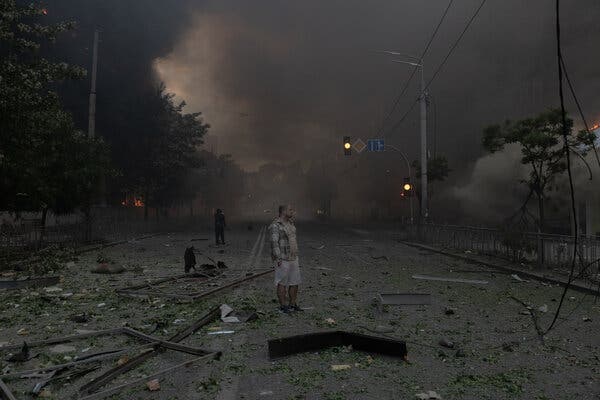
Conflicts involving modern technology and diplomacy showcase the evolving nature of warfare. Drone technology plays a significant role, influencing battles and shaping global alliances. These elements provide insights into how future conflicts might unfold.
Recent Conflicts
Recent events in Ukraine highlight the intensity of trench warfare and heavy artillery tactics. In contrast, the conflict involving the United States, Israel, and Iran has seen battles by air and sea. Despite differing combat methods, both conflicts expose commonalities that have persisted over months.
In both situations, nations with superior military capabilities have faced unexpected resistance. Russian President Vladimir V. Putin anticipated swift triumph in Ukraine when he announced a special military operation over four years ago. Similarly, former U.S. President Trump predicted a short engagement with Iran, starting on February 28, which he suggested would last around a month.
Nicole Grajewski, a professor at Sciences Po in Paris, remarks that both Russia and the United States have encountered unmet expectations in their military campaigns. She attributes this to overconfidence on both sides.
Diplomatic Efforts and Uncertainties
Recent negotiations have seen some progress towards peace between Iran and the United States. However, uncertainties remain, especially after renewed U.S. strikes on Iran. Whether a resolution is achieved or not, these conflicts provide crucial insights into contemporary military approaches.
Asymmetrical Warfare
Both Ukraine and Iran have effectively used asymmetrical tactics against more powerful adversaries. These strategies have allowed them to withstand military forces they could not traditionally match. This adaptability in tactics is a critical part of modern warfare’s evolution.