
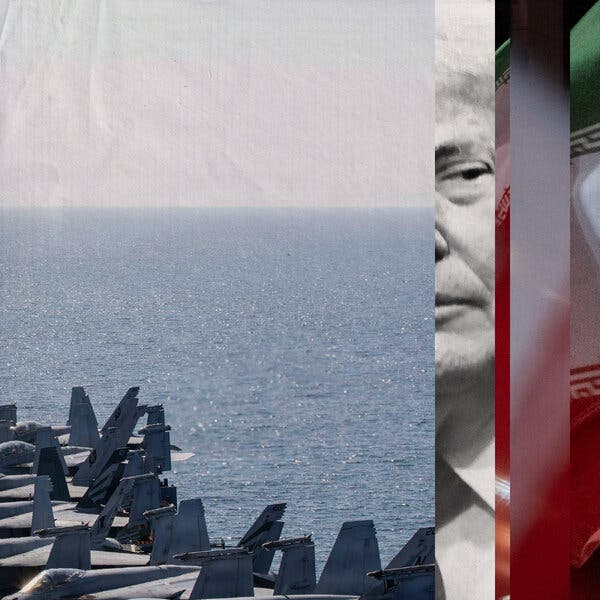
The United States and Iran have agreed on a memorandum to halt hostilities, announced by President Trump on Sunday. However, many crucial details are yet to be clarified. In a discussion led by Stephen Stromberg, Opinion columnists David French and Nicholas Kristof, along with contributing writer Megan K. Stack, explore the implications of this deal for both nations and the broader global context.
Key Takeaways from the Deal
The cease-fire between the United States and Iran has been in effect precariously since April. While the official text is expected by Friday, preliminary information offers insights into its significance.
Insights from Megan K. Stack
Megan K. Stack sees the deal as a significant step toward implementing a lasting cease-fire. A notable element of the agreement is the proposed cessation of hostilities between Israel and Hezbollah in Lebanon. Iranian and U.S. officials have hinted at potential financial concessions for Iran, which include access to a $300 billion reconstruction fund financed by Gulf countries.
Moreover, an Iranian official has indicated Iran’s commitment to halting nuclear weapons production, ceasing further uranium enrichment, and diluting enriched uranium stockpiles. While these developments might signal the beginnings of a long-term agreement, concluding such a deal presents challenges.
Nicholas Kristof’s Perspective
Nicholas Kristof highlights the potential benefits of reduced regional conflict and the reopening of the Strait of Hormuz. However, he points out that the memorandum has not yet addressed core issues such as Iran’s nuclear ambitions and the lifting of sanctions. Kristof expresses skepticism about the chances of a comprehensive nuclear deal materializing, and suggests that the Trump administration’s reluctance to disclose the memorandum’s text indicates it may have made notable concessions.