
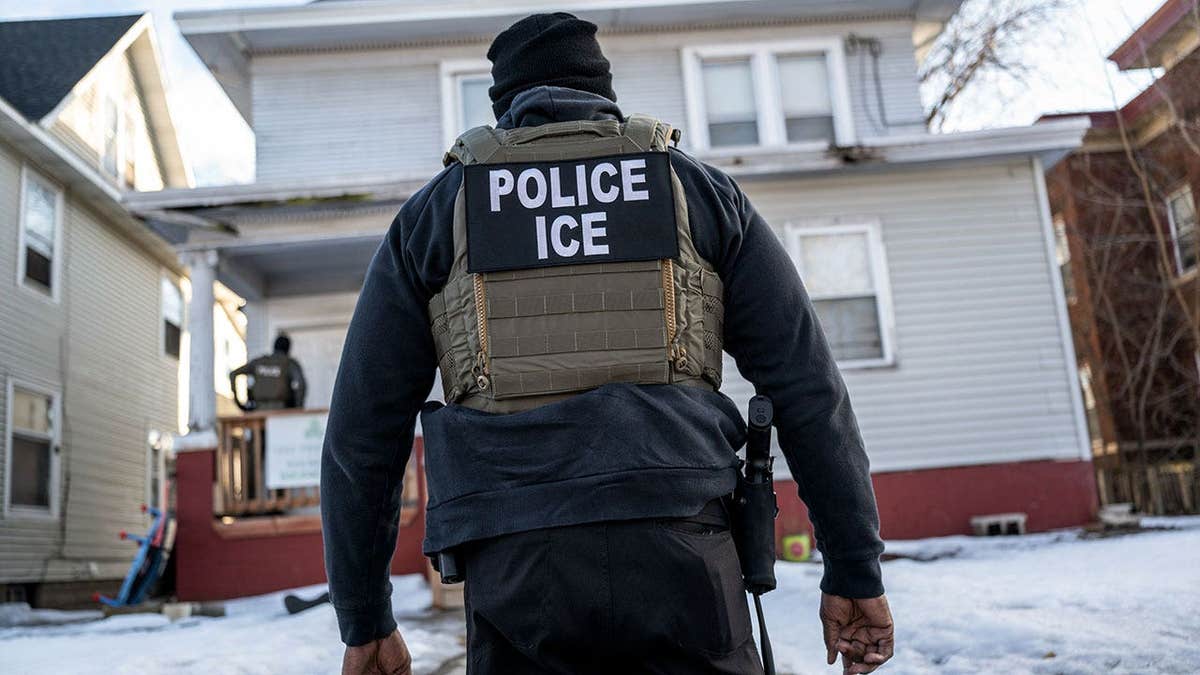
The Department of Justice (DOJ) has initiated a lawsuit against Virginia regarding recent anti-ICE policies. These policies include a contentious mask ban for federal agents. Todd Blanche, the Acting Attorney General, asserts that these laws pose risks to federal officers. Simultaneously, the Foreign Intelligence Surveillance Act (FISA), a critical anti-terrorism tool, may expire tonight due to lack of congressional action, prompting national security worries.
On Thursday, a federal judge temporarily blocked a law in Philadelphia that restricted federal officers from using masks, concealed identification, and unmarked vehicles. U.S. District Judge Chad Kenney issued a preliminary injunction, preventing Philadelphia from enforcing the mask ban and related restrictions against federal officers before they could take effect on Tuesday.
The court sided with the Justice Department, which argued the measure was “blatantly unconstitutional” according to the Constitution’s Supremacy Clause. This clause establishes that federal law overrides state and local law in cases of conflict. Judge Kenney stated that the Philadelphia City Council’s attempt to regulate federal agents contravened the Constitution’s mandate.
“Endorsing Philadelphia’s position would mean municipalities could regulate how federal law enforcement officers conceal their identities,” Kenney added.
The mask ban was approved as part of a legislative package addressing masked immigration agents conducting raids across the nation. Philadelphia’s ordinance banned local, state, and federal law enforcement officers from wearing masks or concealing identities during public interactions. Exceptions included medical masks and religious coverings. However, officers were to display visible badges and use marked vehicles in certain situations.
The DOJ has escalated its actions against various states refusing federal requests, including blocking a Virginia law prohibiting federal law enforcement from wearing masks. Alongside recent legal interventions in California and New Jersey, these moves challenge local measures aiming to regulate federal officers’ appearance and identification.
Philadelphia Mayor Cherelle Parker chose not to sign the bill into law, following advice from the city solicitor’s office about its legal complications. Despite her decision, the bill became law without a veto in May.
The Justice Department praised the court’s ruling, emphasizing its ongoing efforts against jurisdictions obstructing immigration enforcement. The department aims to protect agents and public safety by overturning measures such as the Pittsburgh law.
This legal battle is part of a broader conflict between the Trump administration and local governments over rules affecting federal officers. The DOJ maintains that these regulations on federal agents’ conduct are constitutionally impermissible.