
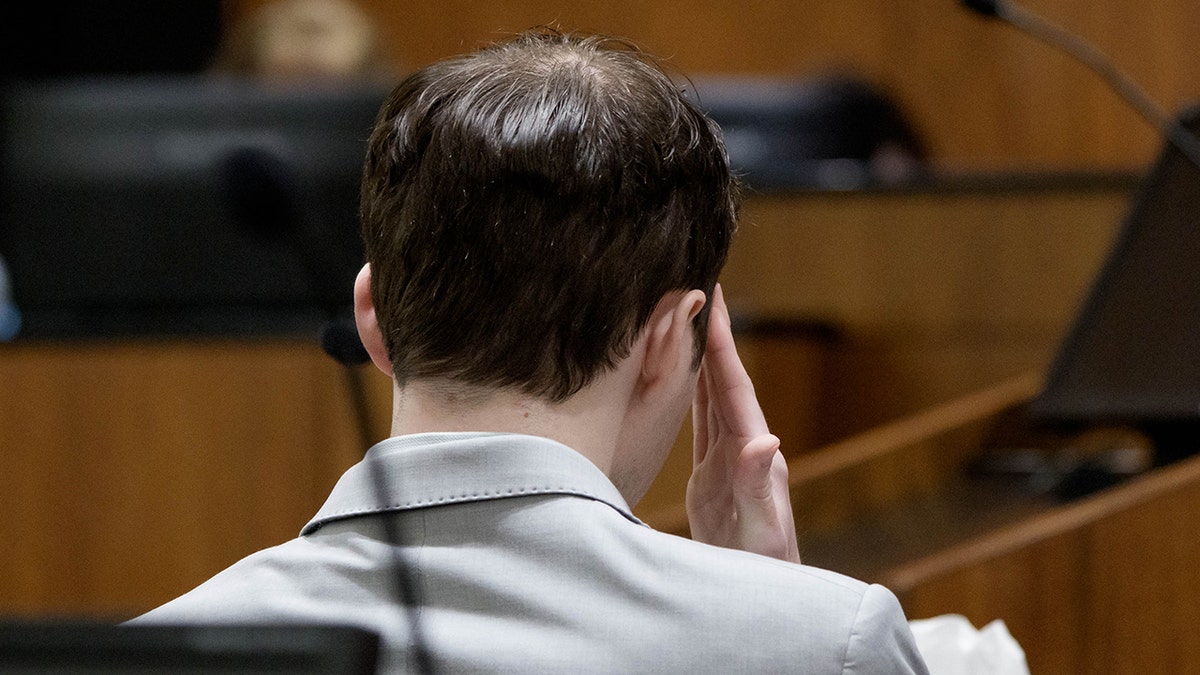
Tyler Robinson is set to face trial in June 2028 for the alleged assassination of Charlie Kirk. The case has seen a range of developments, including legal battles over evidence testing.
Upcoming Court Proceedings
Robinson’s legal team has requested a judge in Utah to halt additional ballistics testing. Prosecutors wish to link bullet fragments from the autopsy to the alleged murder weapon. They argue the testing is not essential to their case but maintain its potential value for evidence.
Prosecutors’ Arguments
The Utah County Attorney’s Office argues against pausing the testing. They assure that the testing will not consume the evidence and Robinson’s experts can still examine it post-testing. Deputy Utah County Attorney Ryan McBride claims there’s no indication of the fragments containing exculpatory evidence. All signs point to their inculpatory value, he says.
Ballistics Testing Debate
The defense raised concerns about the virtual comparison microscopy (VCM) testing method. This involves examining fragments for rifling marks, which might alter or damage the evidence. Defense attorneys want an option to observe this testing, fearing irreversible evidence modification.
Concerns Over Evidence Examination
Robinson’s lawyers call for a chance to photograph evidence or for a defense expert to watch the testing session. The FBI has reasons, including contamination and security, to refuse such measures, the defense argues.
Expert Opinions
Jason Pack, a retired FBI supervisory agent, explains that VCM is a sophisticated process. While it offers a chance to find clearer links between fragments and the murder weapon, there are no guarantees of success. He notes that if the fragments have been damaged, they might not reveal more under even the most advanced examination.
Case Details
Robinson allegedly shot Kirk at a public speaking event at Utah Valley University in September 2025. The autopsy revealed multiple fragments in Kirk’s body, with some bullet casings engraved with “TEST SHOT.” Challenges to the ATF’s initial findings and methods remain part of Robinson’s defense strategy.
Initial Tests and Future Analysis
During prior tests, an ATF examiner identified the bullet fragment as part of the .30 caliber class but couldn’t conclusively connect it to Robinson’s grandfather’s rifle. The examiner mentioned potential use of 3D technology for further analysis but noted that any further examination would involve the FBI’s facilities.
Prosecutors’ Testing Proposals
Prosecutors seek metallurgical testing on bullet fragments. This method could offer new insights into the type of metal used, providing context but not necessarily conclusively proving the weapon’s identity. They are also looking to dismantle one of the .30-06 cartridges found at the time of Robinson’s arrest for comparison.
Legal Proceedings and Pleas
Robinson pleaded not guilty to all charges. If convicted of the murder charge, he could face the death penalty. As the trial approaches, both sides prepare to present their arguments and evidence.