
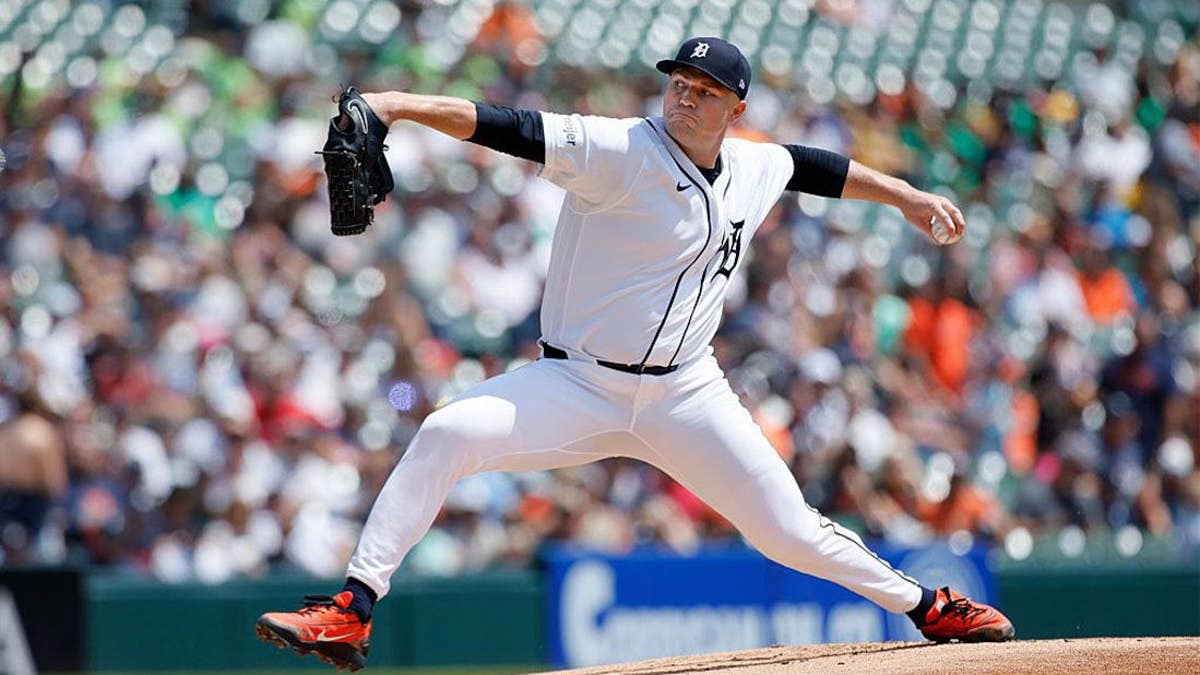
Late Saturday night, the Los Angeles Dodgers made headlines in the MLB world by acquiring star pitcher Tarik Skubal from the Detroit Tigers. The trade involved young players Zyhir Hope, River Ryan, and Brady Smith. With Hope ranked 26th and Ryan 41st in The Athletic’s prospect update, the deal stirred discussions about its impact and implications.
Skubal is renowned for his pitching skills, as evidenced by a notable milestone: his 1,000th career strikeout against Taylor Ward of the Baltimore Orioles. Despite this high-profile acquisition, Skubal’s future with the Dodgers remains uncertain, with his contract expiring at season’s end.
Understanding such trades is crucial, as they are not long-term commitments but rather for short periods. Skubal will likely contribute to 9-10 regular season starts. The Dodgers, postseason favorites, benefit from his talent. This deal is a calculated risk, leveraging future talent for immediate gains. Hope, a promising talent in AA, offers six seasons of team control. Ryan, debuting in the majors, showcases impressive pitching metrics, also securing years of control. Comparatively, similar trades included notable names like Manny Machado, Max Scherzer, and Trea Turner.
The financial and strategic aspects of baseball are increasingly under scrutiny. Many teams focus on profitability over wins. Despite Milwaukee’s strong record and potential, their reluctance to trade for Skubal underscores a larger issue: prioritizing financial gains over competitive success. Winning provides enduring value. Championship titles, notably, leave lasting legacies.
The Dodgers, backed by financial might, care about winning. They invest heavily in player payroll, unlike many others. Franchises unwilling to take risks for competitive growth miss the opportunity to enhance their legacy. This approach leaves fans yearning for decisive moves that prioritize championships.
Free agent dynamics will always favor high-paying teams like the Dodgers. However, most teams remain content with minimal spending. Recognizing winning as the ultimate goal can drive meaningful change, encouraging teams to balance fiscal efficiency with competitive zeal.