
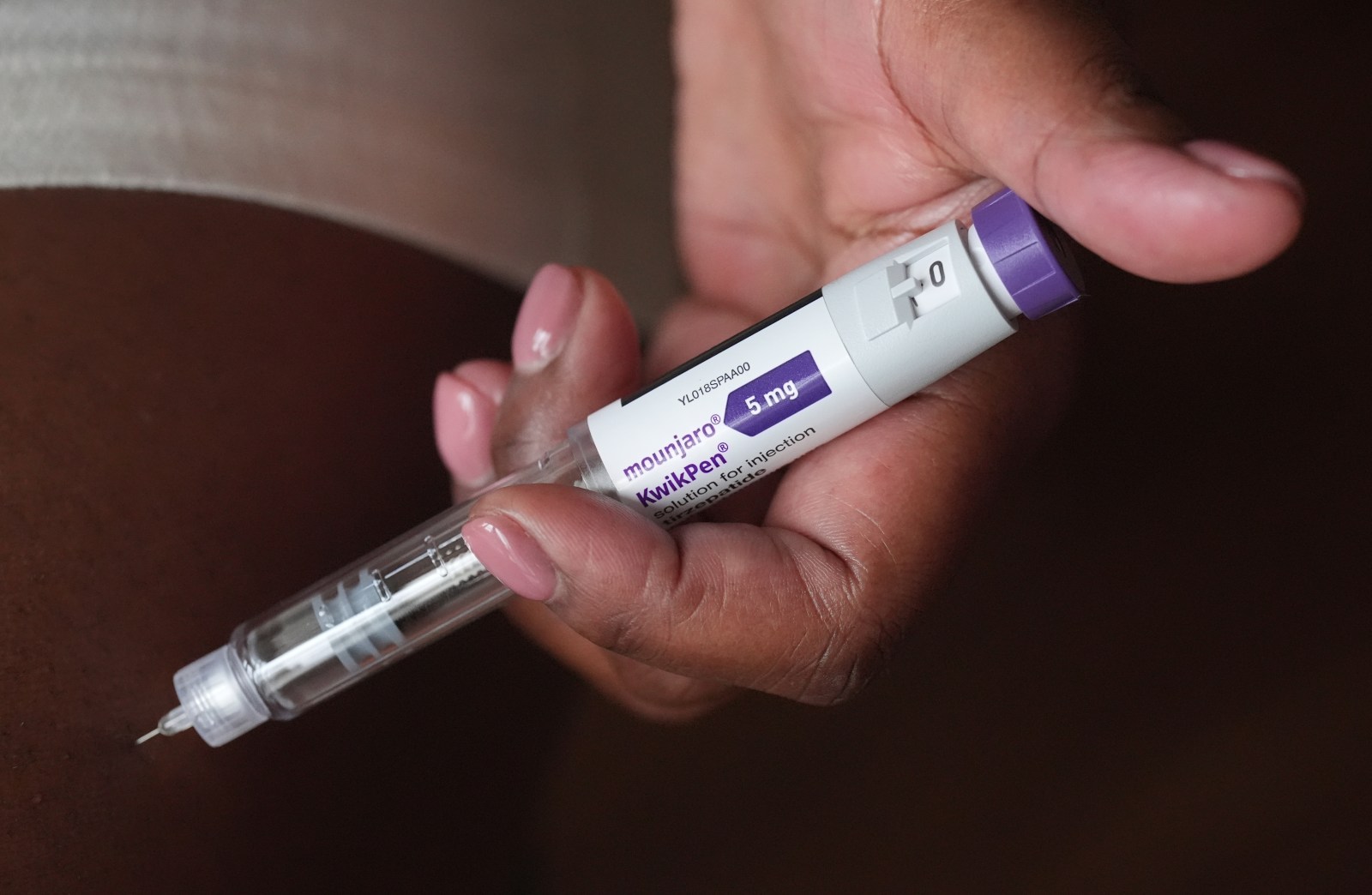
The use of weight loss drugs to manage type 2 diabetes and obesity has surged among Americans. Popular GLP-1 medications like Ozempic and Wegovy are used by about one in eight Americans as of March 2026, according to Statista. Although these drugs contribute to the decline in obesity rates, there are concerns about the nutritional impacts.
Risks of Undernutrition
These medications reduce appetite, leading to potential undernutrition. Dr. Fatima Cody Stanford, a professor at Harvard University, noted that patients might not consume enough protein, risking muscle mass loss. They may also lack key micronutrients like vitamin D, calcium, iron, and B vitamins due to decreased food intake. Undernutrition might result in poor dietary balance, causing fatigue or dizziness.
The medications do not differentiate between fat and muscle loss, thus adequate nutrition is key to preventing unwanted side effects. Gastrointestinal impacts of GLP-1s could also affect food consumption, exacerbating nutritional deficiencies. Despite their effectiveness, proper dietary management remains crucial for overall health during treatment.
Essential Dietary Guidelines
Dr. Stanford recommended essential dietary strategies for patients on GLP-1s:
- Prioritize protein to maintain muscle mass.
- Consume small, frequent meals to prevent undernutrition.
- Stay hydrated and limit intake of processed and sugary foods.
- Consider vitamin supplementation and engage in resistance training to support muscle and metabolic health.
- GLP-1s should be part of a comprehensive health plan, not a standalone fix.
Both pharmacists and Dr. Stanford highlighted foods rich in nutrients and protein, like edamame, fish, yogurt, seeds, and legumes. Dr. John Batsis, a professor at the University of North Carolina, supported these choices, adding options like eggs, cottage cheese, and lean meats.
Suggested Food Substitutions
The pharmacists at Curely offered practical substitutions for GLP-1 users to enhance nutrient intake. Sobia Qasim emphasized integrating weight-loss medications within a broader lifestyle strategy, stressing the importance of a varied diet and physical activity for maximizing treatment benefits.
Broad Dietary Advice
Dr. Stanford urged patients to adopt overall healthy eating patterns, incorporating lean proteins, fruits, vegetables, whole grains, legumes, and healthy fats. A consistent, balanced diet that meets protein and micronutrient needs can support long-term health. Dr. Batsis also recommended smaller, nutrient-dense meals to manage possible nausea or early fullness.
He advised patients to avoid low-nutrient foods and prioritize resistance exercise for muscle preservation. Any persistent symptoms like vomiting or difficulty maintaining hydration should be discussed with healthcare providers.