
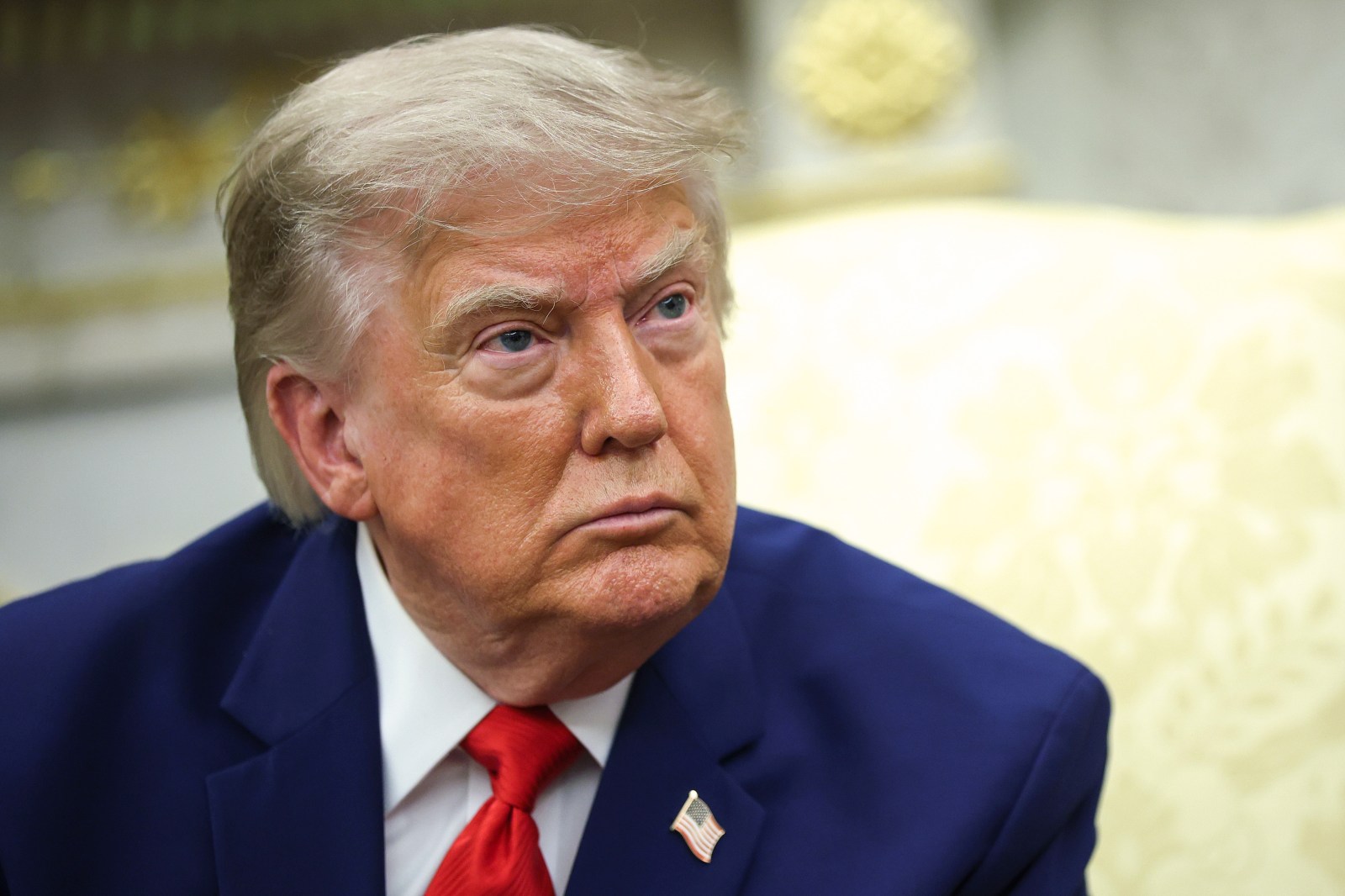
A recent Fox News poll reveals that Democrats have gained a significant advantage over Republicans on the critical issue of the economy. The July 2026 survey indicates that Democrats now possess their strongest lead since 2006 concerning registered voters’ trust in their economic management capabilities. This shift comes as economic matters, including inflation and household affordability, persist as top priorities for voters approaching the 2026 midterm elections.
Despite economic concerns being a pressing issue for the electorate, President Donald Trump’s approval ratings, particularly on economic performance, remain low. Although voters still consider Trump’s handling of crime better, there is marked dissatisfaction over rising costs and inflation-induced hardships. The poll indicates a Democratic lead in the generic House ballot, suggesting that economic concerns might shape the outcome of congressional races if the current trend continues. Newsweek attempted to reach the White House for comments on the poll results.
Polling Insights
The Fox News poll posed a direct question to respondents: “Which political party — the Democrats or the Republicans — do you think would do a better job on the economy?” The results show Democrats receiving 54 percent support over Republicans’ 45 percent, marking a 9-point advantage for Democrats. Comparatively, in April, Democrats were at 52 percent versus Republicans’ 48 percent. This is the first time Democrats have enjoyed a 9-point net positive in two decades, last recorded in a July 2006 poll.
This latest poll conducted from July 17 to July 20 included 1,003 registered voters and carries a margin of error of 3 percent. Trump’s approval on economic matters stands at 33 percent against a 67 percent disapproval. Additionally, 54 percent of respondents feel the economy will deteriorate over the next year, while 45 percent remain optimistic. Trump’s general approval rating hovers at 39 percent, with a 61 percent disapproval.
Other polling, particularly among Republican voters, reflects parallel economic anxieties. An increasing portion of GOP voters reports seeing a downturn in their finances during Trump’s second term. The Washington Post-ABC News-Ipsos survey highlights that 18 percent of Republicans feel worse off financially, an increase from 13 percent.
White House Spokesman Kush Desai has commented, stating that Trump has emphasized resolving the Iran situation to see a rapid decrease in oil and gas prices, thereby fueling overall inflation improvements. Desai mentioned workers were witnessing wage gains before the conflict with Iran, and a continued agenda of deregulation and tax cuts is anticipated to bring further economic relief.
Overall, recent polls place Trump’s economic approval at near historic lows, illustrating broader voter discomfort toward current economic conditions. Although polling offers a snapshot, the consensus across multiple surveys suggests a shifting political landscape prioritizing economic concerns.
Current Economic Sentiment
The Economist/YouGov survey notes that only 21 percent rate the economy as excellent or good, while 75 percent find it fair or poor. Additionally, 58 percent perceive it as worsening, whereas only 15 percent see improvement. The survey included 1,602 U.S. adults from July 17 to July 20, with a margin of error of 3.3 percent.
Furthermore, data from an American Research Group poll indicate Trump’s economic approval at 28 percent against a 70 percent disapproval margin. His overall approval stands at 30 percent with a 67 percent disapproval. This poll sampled 1,100 adults from July 16 to July 20 and maintains a margin of error of 3 percent.
The upcoming midterm elections will likely see both parties elevate their economic messaging, a response to voters listing inflation and financial security as paramount concerns. Ongoing polling trends will be crucial as voter perceptions evolve leading to Election Day.