
Mark Halperin, journalist and host of ‘2WAY,’ referred to far-left streamer Hasan Piker as a ‘horrible person,’ suggesting he might be an exception to the show’s policy of presuming grace toward everyone. Halperin expressed this view during a discussion on ‘2Way Tonight,’ noting his growing skepticism of Piker due to his background and connections, including his ties with Michigan Democratic Senate nominee Abdul El-Sayed.
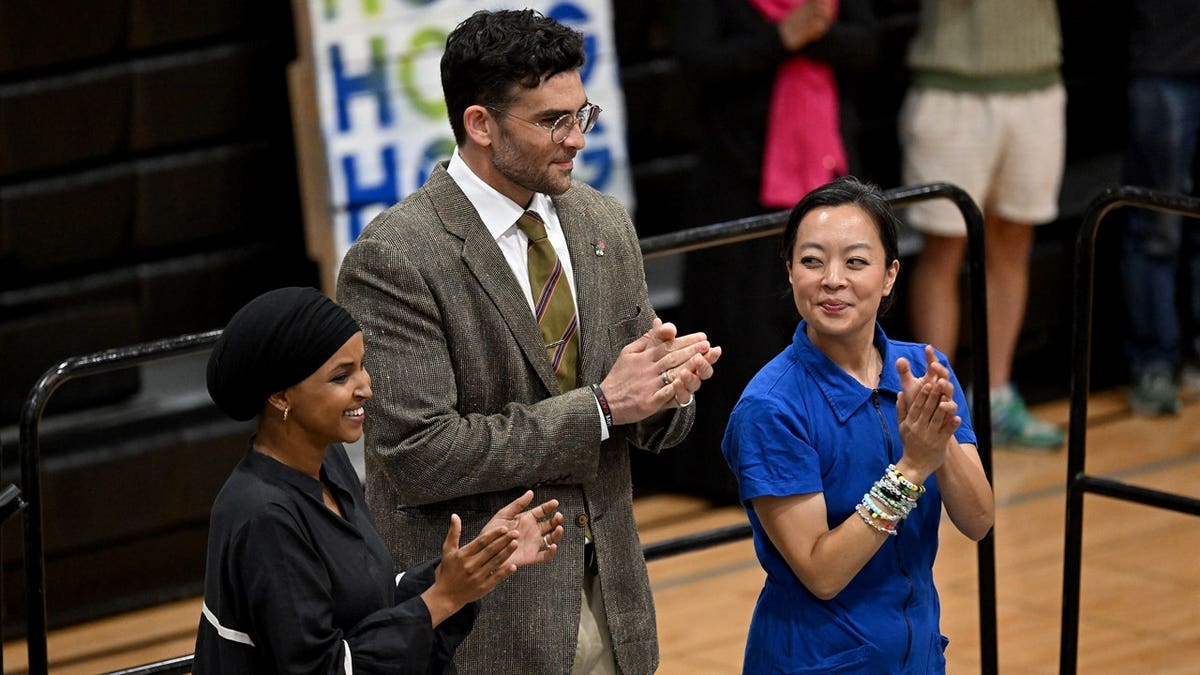
El-Sayed, a candidate in the midterm elections, has received endorsements from several leading Democrats such as Rep. Alexandria Ocasio-Cortez and Sen. Bernie Sanders. During a rally with Wisconsin gubernatorial candidate Francesca Hong, Piker stood alongside Rep. Ilhan Omar, D-Minn., underscoring his involvement in political campaigning.
Hyma Moore, participating with Halperin in the discussion, highlighted the dilemma Democrats face with Hasan Piker’s influence. ‘Politicians need to decide whether connecting with Piker’s significant audience is worth the exposure, or if they should distance themselves from his growing platform, which has at times showcased recklessness,’ Moore commented.
Concerns about Piker’s impact on the Democratic Party were echoed by Kaivan Shroff, a political analyst with experience in Hillary Clinton’s campaign. Shroff argued that Piker presents electoral challenges, particularly to moderate Democrats. According to Shroff, Piker’s support of far-left candidates could inadvertently bolster Republican campaigns eager to oppose figures like him.
Piker is, in essence, an electoral liability for Democrats. While he may draw attention during primaries for far-left candidates, Republicans see him as an opponent they prefer over the actual contenders, a problem made more difficult when candidates like Abdul El-Sayed campaign closely with him.
Shroff further criticized Piker for spending considerable time attacking moderate Democrats, rather than Republicans. He referred to controversial comments Piker has made about 9/11 and other sensitive topics, citing this behavior as concerning for the Democratic Party’s image.
Despite the controversy, Sen. Bernie Sanders acknowledged Piker’s significant audience reach during a CNN interview. Sanders, while admitting Piker sometimes makes inappropriate remarks, suggested the necessity to move past cancel culture. He emphasized the importance of considering the entirety of a person’s contributions rather than isolated statements, though he admitted not all such comments align with the party’s values.
Hasan Piker, alongside Abdul El-Sayed, recently mocked James Carville’s threat to leave the Democratic Party if Piker becomes a prominent voice within it. The ongoing debate about Piker’s role represents broader conversations about the values and strategies of the Democratic Party moving forward.