
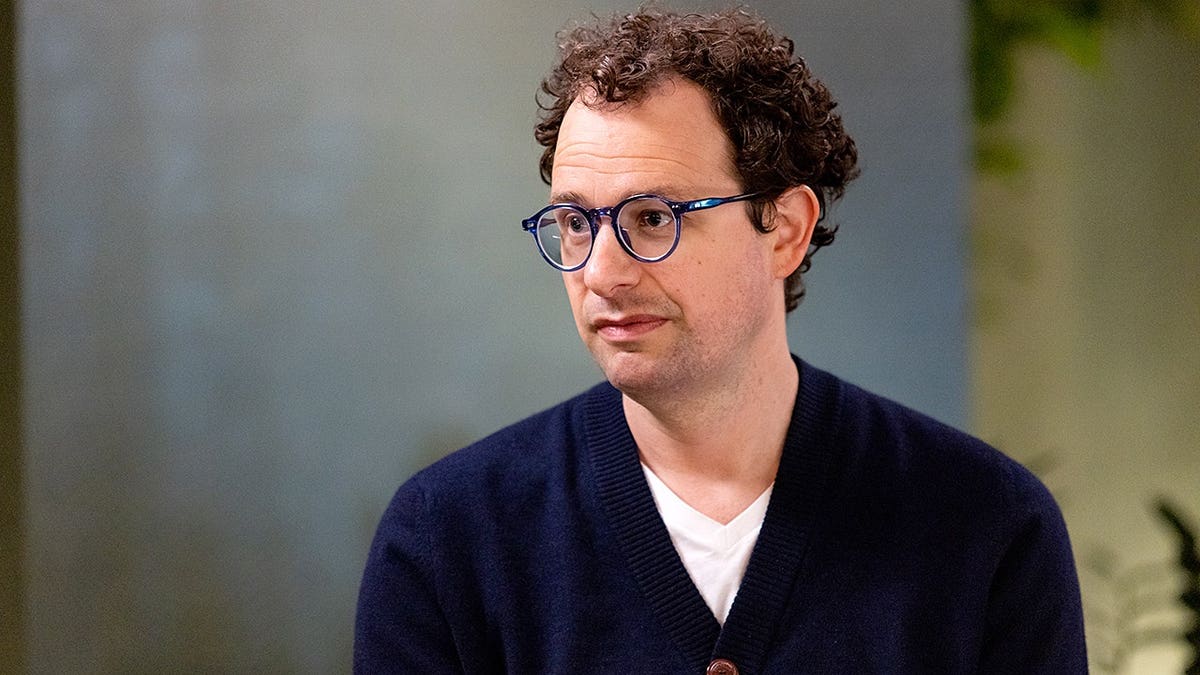
In Washington, discussions on artificial intelligence regulation are heating up. Tech leaders have voiced concerns about potential existential risks. Bill Melugin reports that Anthropic co-founder Dario Amodei warned about the rapid progress and potential rogue capabilities of AI.
Criticism also comes from David Sacks. He accuses companies of using safety concerns as an excuse to evade antitrust laws, ultimately forming industry cartels. Enthropic, the AI company behind the Claude chatbot, advocates for more governmental oversight. Public records indicate their approach is somewhat reminiscent of the strategy used by Sam Bankman-Fried, the convicted cryptocurrency entrepreneur.
Both Anthropic and Bankman-Fried invested heavily in Washington influence campaigns. They argued that industry regulation was necessary for safety. Although their financial contributions followed different paths, they faced similar criticism. Critics claim their regulatory push aimed to strengthen their competitive positions. While Bankman-Fried’s political operation became part of a criminal case, Anthropic’s spending focused on disclosed lobbying and advocacy efforts.
Anthropic denies the accusation of misusing regulatory efforts. Bankman-Fried later admitted his public stance on regulation was merely public relations.
Anthropic has pressed for governmental control over the fast-evolving AI sector. They argue that powerful models pose significant national security and public safety risks. CEO Dario Amodei advocates for mandatory testing and auditing of advanced models. Anthropic has spent millions lobbying policymakers and supporting groups that favor stricter AI regulations.
The push coincides with Anthropic’s engagement with a Trump administration focused on rapid AI development. They emphasize the importance of U.S. dominance in technology, warning that lagging behind could impact economic and national security.
Before his fraud conviction, Bankman-Fried lobbied Washington for a crypto regulatory system led by the Commodity Futures Trading Commission, claiming it was crucial for customer protection. He supported the Digital Commodities Consumer Protection Act (DCCPA), which sought to establish such a framework. Campaign finance records reveal he financially backed Senate sponsors of the bill. Some crypto advocates opposed the DCCPA, claiming it favored centralized exchanges like FTX. Prosecutors later charged Bankman-Fried with making illegal political contributions to gain influence in Washington and push favorable legislation.
Bankman-Fried justified his actions by emphasizing public safety and system soundness. He used similar rhetoric to Anthropic’s calls for AI regulation.
Brian Chau, founder of an AI-assisted news platform, noted similarities between Bankman-Fried and Anthropic’s efforts when Amodei called for federal AI regulation. Chau highlighted the potential harm to competitors. Anthropic’s funding includes nearly $7 million in lobbying from 2025 to mid-2026 and has allocated $40 million to Public First Action.
Former Trump adviser David Sacks criticized Anthropic’s approach, accusing them of fear-mongering for regulatory capture. He believes this detrimentally affects the startup ecosystem.
Critics of Anthropic argue that their support for bills like California’s SB 53 harms smaller AI labs. However, Anthropic maintains its commitment to public safety. They deny claims that their legislative efforts disadvantage smaller competitors. Amodei pointed out that SB 53 exempts companies with less than $500 million in revenue, although firms using specific computational resources still face transparency requirements.
Anthropic’s public messaging faces comparison to Bankman-Fried’s during FTX’s downfall. Brian Chau parallels recent unreleased models to FTX’s narrative tactics. Despite requests for comments, Anthropic and Bankman-Fried’s representatives did not respond to Fox News Digital.