
Pending Legislation on Daylight Saving Time
A proposal that aims to make daylight saving time permanent has passed in the House and awaits a Senate vote. This legislation, known as the Sunshine Protection Act, proposes to eliminate the bi-annual clock change in the United States. Should it pass, states would remain on daylight saving time indefinitely, maintaining their respective daylight times year-round.
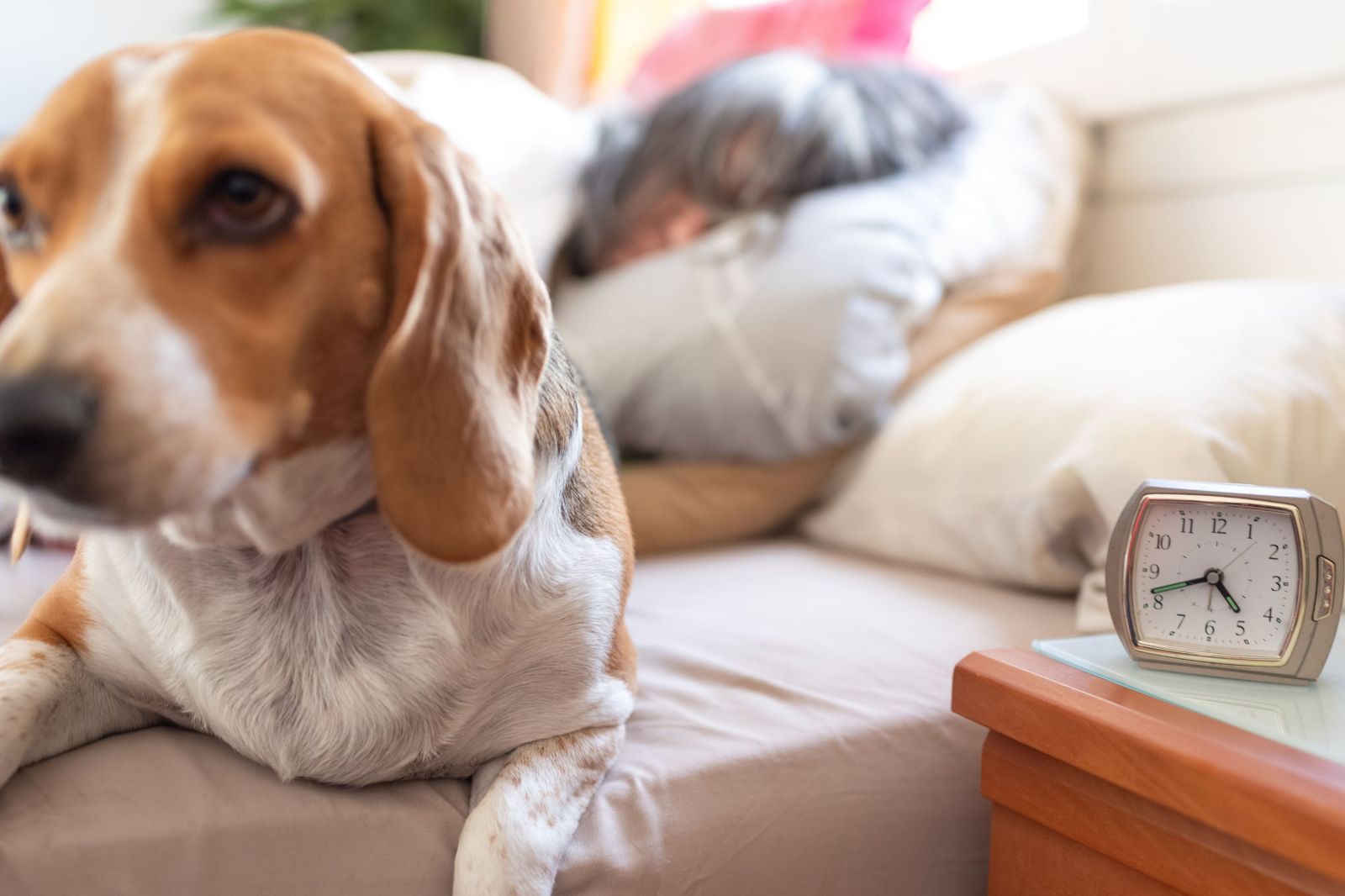
While many individuals might welcome the consistency, pets could experience temporary disruptions as their owners adjust to altered routines. Dr. Karen “Doc” Halligan, a veterinarian, notes that animals thrive on routine, so changes in feeding, walks, medication schedules, or bedtime can challenge them.
Impact on Pets’ Routines
Dogs and cats operate according to their internal biological clocks, known as circadian rhythms, which govern their sleep, activity, and feeding patterns. The proposed shift to permanent daylight saving time itself is not harmful, but the transition period may perplex pets as their human companions alter their daily schedules.
Pets may exhibit behaviors such as insistence on feeding at their usual times, becoming more vocal if meals are delayed, or showing increased activity. Dr. Halligan emphasizes that cats, often overlooked, can be as attached to routines as dogs.
Pets Most Affected
Certain pets may struggle more with schedule changes, especially those reliant on structured routines or having special health needs. Owners should watch:
- Senior dogs and cats
- Puppies and kittens
- Pets with anxiety disorders
- Animals with cognitive dysfunction
- Routine-oriented pets
- Diabetic pets receiving insulin
Owners must gradually adjust medication times for pets with specific needs, under veterinarian guidance.
Impact of Longer Evenings
If daylight saving time becomes permanent, starting December 1, pet owners might shift their walking schedules. The extended daylight may prompt evening walks to avoid peak heat in summer. However, such adjustments raise the risk of heat-related illnesses, particularly for flat-faced breeds and older pets. Additionally, darker mornings could make pre-dawn walks less safe.
Ensuring Safety During Darker Walks
Visibility challenges arise during early walks, making it harder for drivers, cyclists, and pedestrians to spot dogs and their owners. Dr. Halligan recommends:
- Using reflective collars, leashes, or harnesses
- Wearing reflective clothing
- Carrying a flashlight or headlamp
- Choosing well-lit routes
- Keeping dogs leashed and watching for wildlife
Preparing Pets for Schedule Changes
Adjusting pets’ routines gradually is recommended. Dr. Halligan advises slight daily shifts in meals and walks over several days to avoid abrupt changes. Consistency in medication, bathroom breaks, and bedtime helps pets adapt.
Monitoring appetite, sleep, and behavior changes ensures quick adaptation, highlighting the importance of maintaining predictable routines regardless of time changes. As Dr. Halligan puts it: “Pets don’t wear watches—they watch us.”