
Data Centers at the Heart of the Texas Senate Race
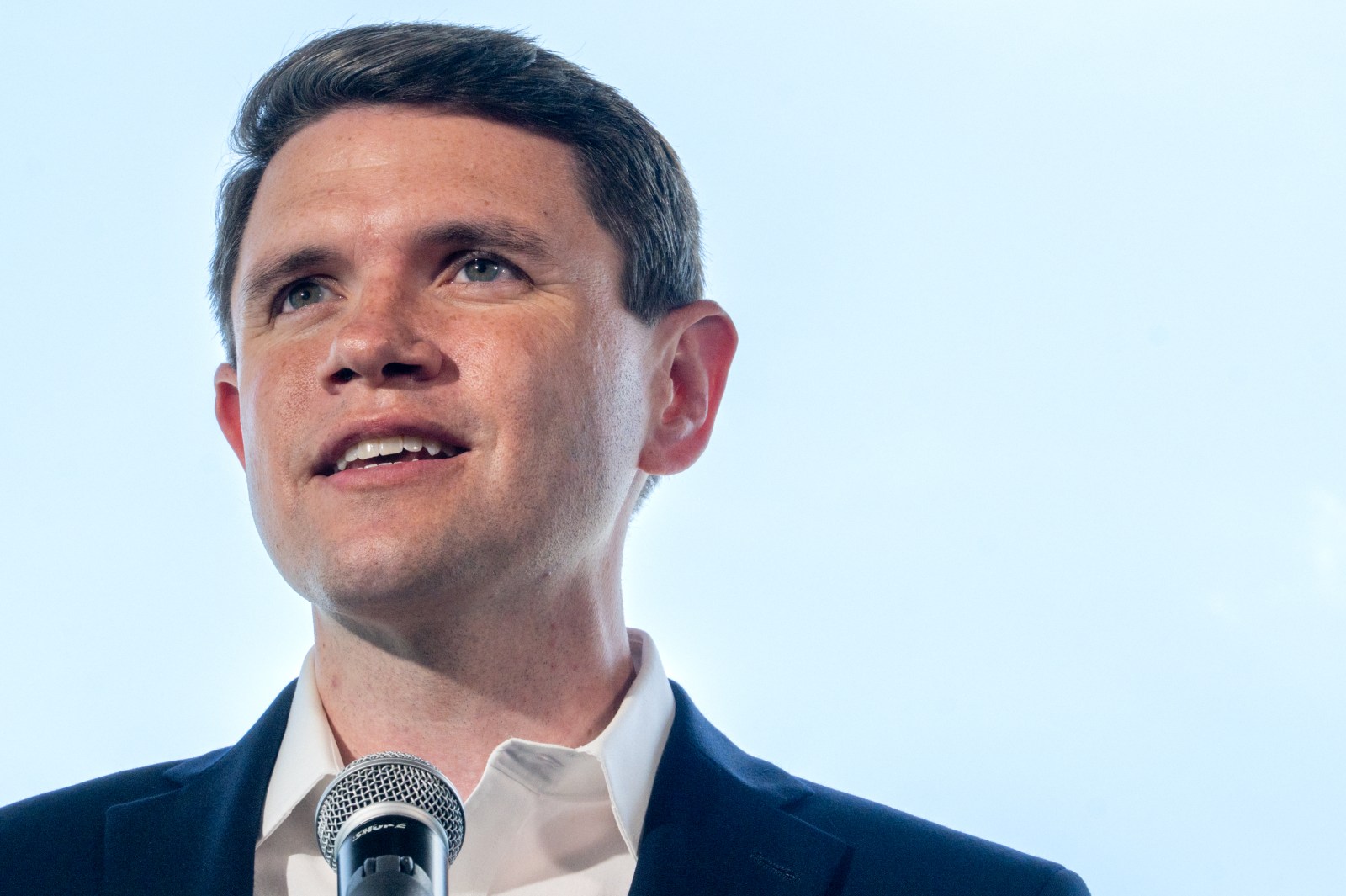
James Talarico, a Democratic candidate for the U.S. Senate, leveraged a recent CNN town hall to criticize the expanding data center industry in Texas. He claims these projects burden local communities with increased costs while companies benefit.
Talarico’s stance is central to his campaign, which aims to secure the first Democratic Senate seat from Texas since 1988. His opponent, Texas Attorney General Ken Paxton, supports data center development. However, Talarico seeks to link Paxton with the industry’s negative impacts, such as rising electricity and water costs for Texans.
Texas Data Center Expansion
Texas, alongside Virginia, leads the nation in data center developments, boasting nearly 700 operating or planned facilities, per Cleanview’s tracker. During the town hall, Talarico shared insights from Abilene residents, who expressed concerns about new constructions.
He presented his strategy to hold data center companies accountable. Talarico emphasized that these companies should cover their energy costs, recycle water, and obtain community consent before building.
Paxton’s Position and Response
Paxton supports Texas’s data center growth but agrees safeguards are necessary, especially concerning water and electricity costs. His campaign did not respond to Newsweek’s request for comment on this issue.
The debate over data centers has become a significant topic ahead of November’s midterms, profoundly affecting the Texas Senate race, which could influence control of the chamber. Data centers face criticism for their resource consumption and impacts on residential areas.
Talarico’s Regulatory Proposals
In July, Talarico proposed tighter regulations on Texas data centers. These include setting minimum federal standards, abolishing sales tax exemptions, and requiring large energy consumers to fund their infrastructure needs.
Talarico argues for fair AI application to benefit workers and prevent communities from subsidizing corporate infrastructure costs. He recently released an ad attacking Paxton for his financial ties to the industry.
Paxton’s Development Strategy
Paxton, conversely, views data centers as an economic opportunity, potentially providing lucrative jobs. However, he insists on conditions to prevent grid overload and enforce water recycling. In August, his campaign proposed a plan barring data centers from using Chinese technology and imposed liability on AI misuse.
Governor Greg Abbott’s proposal aligns with Paxton’s strategy, advocating against rural data center development and repealing tax breaks. Paxton trusts the plan will ensure Texas’s AI leadership while prioritizing community well-being.
Impact on Elections
Brandon Rottinghaus from the University of Houston suggests Talarico’s position could sway Republican-leaning voters in rural and suburban areas, where data centers pose water and electricity concerns.
Although the candidates differ in their rhetoric, Cal Jillson of Southern Methodist University notes their shared aim: to balance data center growth with community protection. Post-election policies are expected to marry expansion with regulation.
Republican strategists caution candidates against overt pro-data center stances due to prevailing public opposition, as voiced by political consultants like Pete Seat.
Polling Insights
The Texas Senate race remains tight, with recent polls showing Talarico slightly ahead. The RealClearPolitics average lists him at 48.1 percent, overtaking Paxton’s 45.5 percent. A Marist poll of likely voters gives Talarico a two-point lead, while a ReconMR/Siena Research Institute poll shows a four-point advantage among likely voters.