
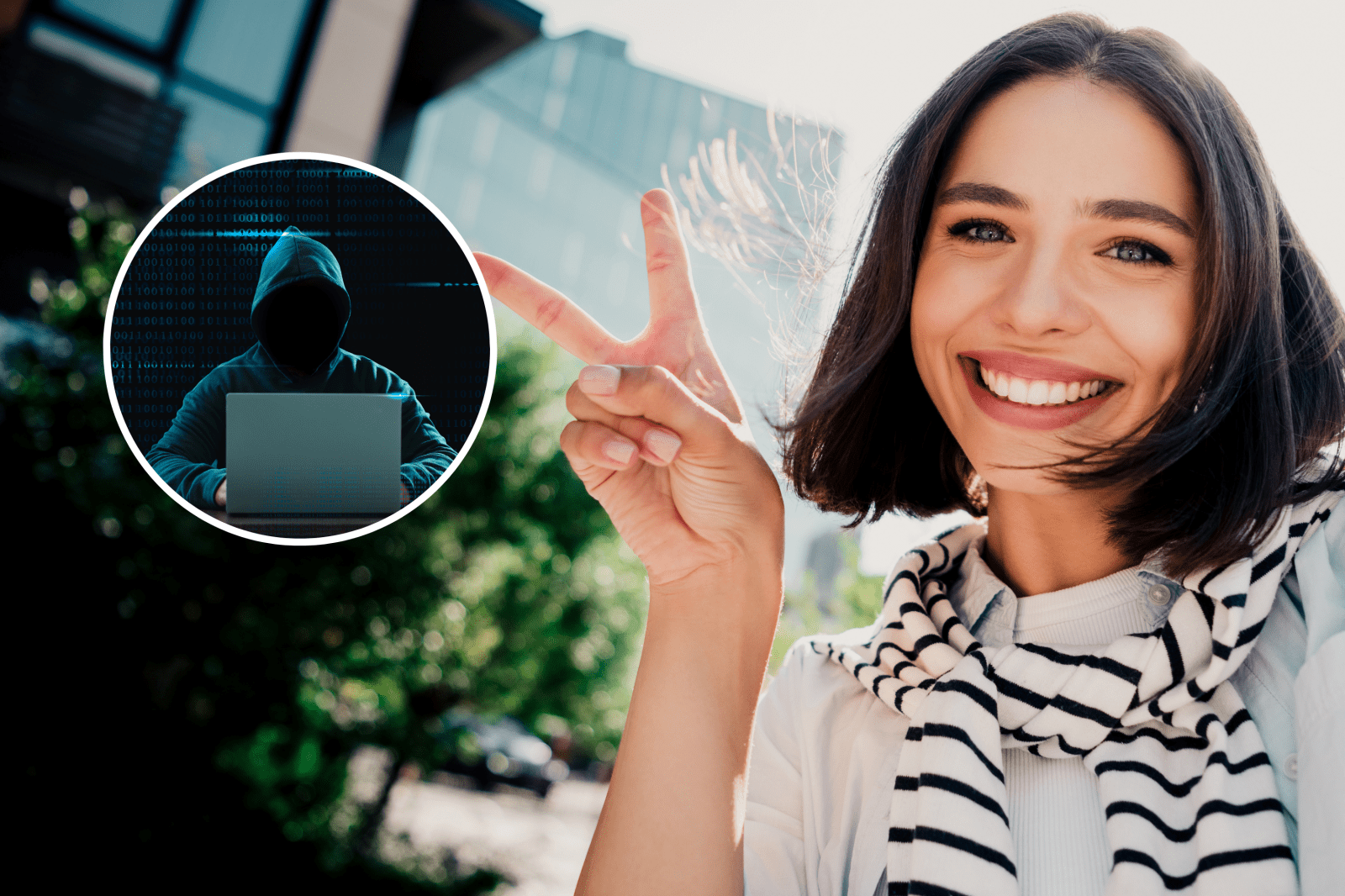
Every day, millions share polished images of themselves on platforms like TikTok and Instagram, showcasing the latest smartphones from Apple, Samsung, and Google. These devices boast advanced camera settings, offering access to high-resolution photos and videos. However, this capability also increases the risk of manipulation by bad actors.
Consider a user taking a selfie, peace sign raised, with their new smartphone. That image, momentarily capturing a joyful event and gaining likes rapidly, might contain valuable information: detailed fingerprints captured by the device’s high-resolution camera.
Can Fingerprint Patterns Really Be Stolen Through Instagram?
“The threat is real and growing,” says Bryan Lopez, a Microsoft cybersecurity and AI technology leader, according to Newsweek. High-resolution cameras now capture enough fingerprint detail that artificial intelligence (AI) tools can recreate biometric templates from social media images. Previously needing forensic resources, these are now accessible to motivated non-specialists.
These implications extend beyond fingerprints. AI broadens the “biometric threat surface.” Voice cloning technology can produce convincing voice replicas from minimal audio clips—common in vlogs and podcasts shared without worry. These synthetic voices are already bypassing voice authentication systems and enabling targeted social engineering against individuals and organizations.
Deepfakes, using limited publicly-available images, can create lifelike videos or pictures of a person doing things they never actually did, posing severe reputational and identity fraud risks.
Cybercrime on the Rise
Cybercrime statistics underline the urgent threat. In 2024, the FBI recorded 859,532 complaints with losses surpassing $16 billion. Phishing alone accounted for 3.4 billion malicious emails daily. Unlike passwords, biometrics like fingerprints and voice patterns cannot be replaced if compromised. Lopez warns, “Once compromised, the exposure is permanent.” AI’s growing influence reduces barriers for attackers, increasing threats further.
Bojan Simic, CEO and co-founder of identity verification firm HYPR, concurs. Relying solely on a single authentication factor is risky amid AI-enhanced data reconstruction. He advocates for passkey-based authentication that pairs biometrics with device-bound cryptographic credentials.
How to Keep Your Identity Safe
Lopez advises practical strategies for everyday users. Besides utilizing privacy settings on social media, options like limiting access to followers, disabling location metadata, and avoiding high-resolution close-ups can reduce exposure. It’s crucial to limit video content where voices are isolated.
“Behavioral awareness, combined with deliberate privacy hygiene, is the most reliable mitigation,” Lopez states. As technology advances, the habits we build now will determine future exposure levels.