
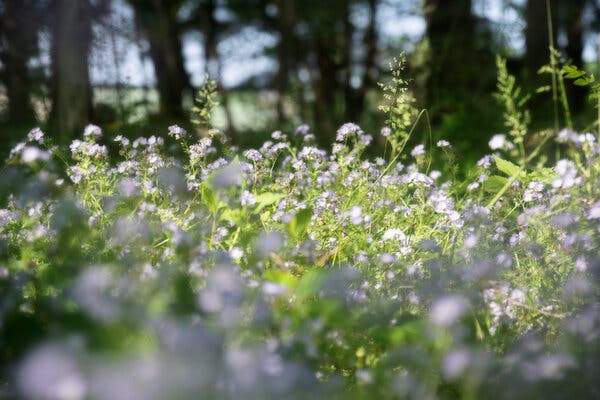
In summer 2020, my husband, Ryan, and I purchased a house in Portland, Oregon, featuring a backyard that consisted mainly of a worn-out lawn. Most homebuyers might overlook such a patch, but to us, it offered the perfect canvas for crafting our ideal garden. That autumn, we hired a contractor to remove the remains of the lawn and began our project.
We aimed to balance several goals: a visually appealing garden filled with fruits, vegetables, and flowers; conserving water; minimizing fertilizer; and avoiding synthetic pesticides. We wanted a serene and functional space for recreation, while also providing a haven for wildlife. This effort reflected our commitment to tending a piece of our living planet, regardless of its size.
We planted durable, drought-resistant perennials such as lavender, Coreopsis, Penstemon, sea holly, sunroses, and Sedum. Additionally, we included flowers requiring extra care like peonies, dahlias, and Peruvian lilies. Our design featured a small pond, a bog, a flagstone path, espaliered fruit trees, and raised vegetable beds. We implemented drip irrigation, set up a compost bin, and started mulching.
Two years into our project, the garden transformed into a lively, lush environment. Initially, diverse insect species arrived, notably wild bees I had previously overlooked. Metallic blue mason bees darted among cherry and apple blossoms, while green sweat bees explored poppies. Leafcutter bees actively harvested foliage for their nests.
The influx of small flyers expanded further to include dragonflies, hoverflies, butterflies, and beetles. Larger wildlife eventually made appearances, from songbirds and hummingbirds to mice and raccoons delighting in the pond. This confirmed our garden’s attractiveness, productivity, and ecological benefits.
However, as I interacted with fellow wildlife gardeners, my certainty diminished. Local nurseries, online forums, and literature increasingly centered around the importance of native plants. Most plants in North American gardens are imports from recent centuries. Native species evolved within their regions, fostering beneficial relationships over time, which advocates argue makes them superior at supporting wildlife and ecosystem integrity.
“Native plant proponents emphasize adaptation and mutual relationships as key to ecosystem health.”
Thank you for your patience as we verify access.